Understanding the 4 Day Work Week and Remote Team Presence

In this article

Understanding the 4 Day Work Week and Remote Team Presence
The concept of a 4 day work week has evolved from a niche experiment into a globally recognized strategy for improving employee well-being and operational efficiency. In 2026, many organizations have transitioned to this model to combat burnout and increase productivity. By condensing the standard work hours or reducing them without cutting pay, companies aim to provide a better work-life balance. However, implementing a 4 day work week successfully requires specific tools to maintain high levels of collaboration and transparency during the active work days.
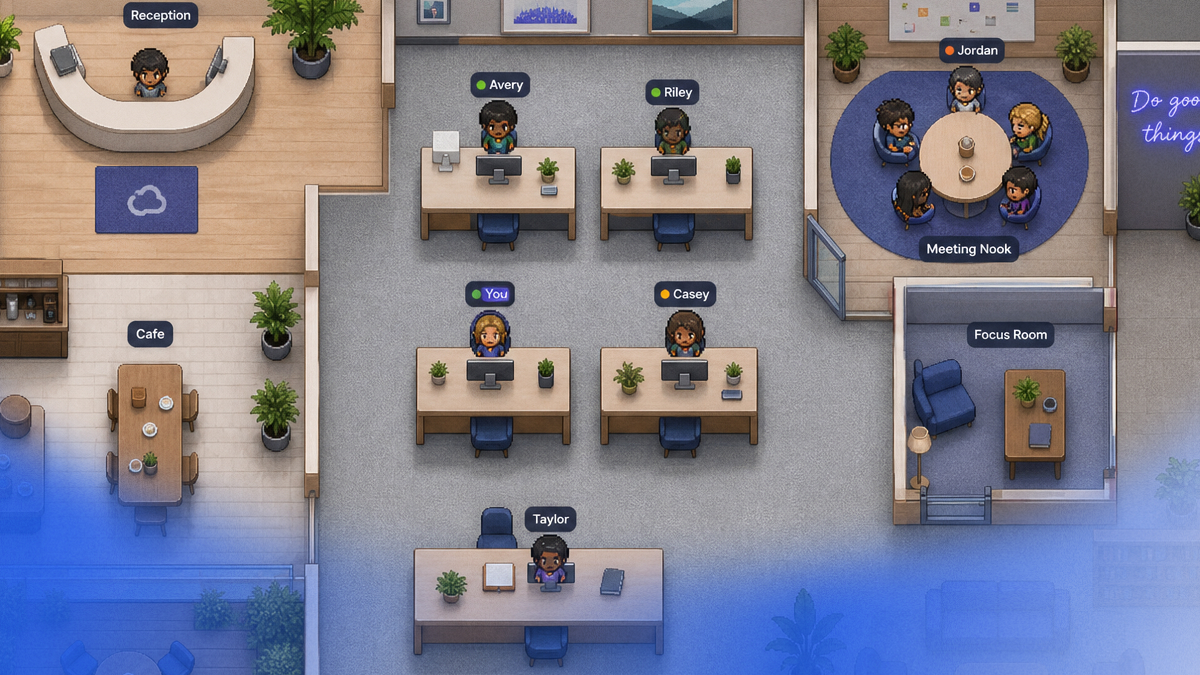
To make a 4 day work week sustainable, teams must maximize their time spent together. When employees are only active four days a week, every hour of overlapping availability becomes more valuable. Traditional communication methods, like back-to-back scheduled meetings, often drain the limited time available. This is where real-time presence platforms like Hurbly.ai become essential. These tools allow distributed teams to see who is available or focused at a glance, ensuring that the shorter work week remains highly productive.
How Real-Time Presence Supports Shorter Work Cycles
A successful 4 day work week relies on the ability to resolve issues quickly without waiting for a scheduled call. Real-time technology creates a digital environment that mimics a physical office. By displaying presence indicators, such as whether a colleague is in a meeting or deeply focused on a task, teams can interact spontaneously. This reduces the friction typically found in remote settings, where "pinging" someone via chat often leads to long delays.
Using a platform like Hurbly.ai allows managers to monitor team health within a 4 day work week framework. Instead of checking timestamps or activity logs, they can see live status updates. This visibility prevents the "always-on" culture that often plagues remote work. When the 4 day work week ends on a Thursday or Friday, the clear status indicators help everyone disconnect entirely, knowing that all urgent matters were handled through fluid, real-time interactions during the active days.
Benefits of Visibility in a 4 Day Work Week
The primary challenge of a 4 day work week is maintaining the same output in less time. Transparency is the solution to this challenge. When everyone knows the current status of their teammates, coordination becomes seamless. This organizational clarity is vital for freelancers and distributed teams who must align their schedules tightly to meet deadlines within the constraints of a 4 day work week.
| Feature | Impact on 4 Day Work Week |
|---|---|
| Live Presence | Reduces time wasted on unscheduled or unnecessary check-ins. |
| Focus Indicators | Protects deep work blocks, essential for high-output shorter weeks. |
| Instant Conversations | Replaces long email threads with quick, decisive interactions. |
| Availability Tracking | Helps teams synchronize their active hours across different time zones. |
By integrating these features, a 4 day work week becomes more than just a schedule change; it becomes a functional improvement in how work is performed. Hurbly.ai provides the infrastructure needed to support these quick engagements, ensuring that no one feels isolated despite the reduced number of days spent working together.
Strategies for Transitioning to a 4 Day Work Week
Transitioning to a 4 day work week requires a shift in mindset regarding how meetings are handled. Organizations should prioritize "asynchronous-first" communication for updates, while reserving "synchronous" time for complex problem-solving. This ensures that the limited hours of a 4 day work week are not consumed by administrative overhead. Tools that show real-time availability allow for these quick, high-impact synchronous moments to happen naturally.
- Define Core Hours: Establish specific times when all team members must be online to facilitate collaboration.
- Use Presence Tools: Implement Hurbly.ai to see who is available for a quick chat, avoiding the need for calendar invites.
- Audit Meetings: Eliminate recurring meetings that do not provide clear value to the 4 day work week goals.
- Protect Deep Work: Use status indicators to signal when a team member should not be interrupted.
Adopting a 4 day work week in 2026 is often a competitive advantage for attracting talent. However, the operational success of this model depends on maintaining a sense of team presence. When employees feel connected and can see their peers working alongside them in a virtual space, the potential for isolation decreases, and the effectiveness of the 4 day work week increases significantly.
Future of Work: Efficiency and the 4 Day Work Week
As we look at the current landscape of 2026, the 4 day work week has proven that productivity is not tied to the number of hours spent at a desk, but rather the quality of the interactions during those hours. By utilizing virtual office platforms, teams can bridge the gap between remote flexibility and the social cues of a physical office. This balance is the cornerstone of a healthy 4 day work week.
Ultimately, the goal of a 4 day work week is to create a sustainable pace of work. Platforms like Hurbly.ai support this by making communication more human and less transactional. When you can see your team, you feel more engaged, making the four days you spend working more impactful and the three days you spend resting more restorative. This holistic approach to the 4 day work week ensures long-term success for both the individual and the organization.