Enhancing Remote Team Performance Through Professional Accountability

In this article

Enhancing Remote Team Performance Through Professional Accountability
In the evolving landscape of 2026, remote work requires more than just digital communication tools; it demands a structured approach to professional accountability. Establishing clear expectations within a distributed team ensures that every member understands their role and the impact of their contributions. When teams prioritize accountability, they reduce ambiguity and foster a culture of trust, which is essential for maintaining high productivity levels across different time zones.
Effective accountability begins with transparent communication. By defining specific goals and measurable outcomes, organizations can track progress without resorting to invasive micromanagement. This method allows employees to take ownership of their tasks while remaining aligned with the broader company objectives. Systems that support real-time visibility and status updates, such as those provided by Hurbly.ai, play a vital role in maintaining this balance by showing who is available or focused at any given moment.
How Presence Indicators Drive Team Accountability
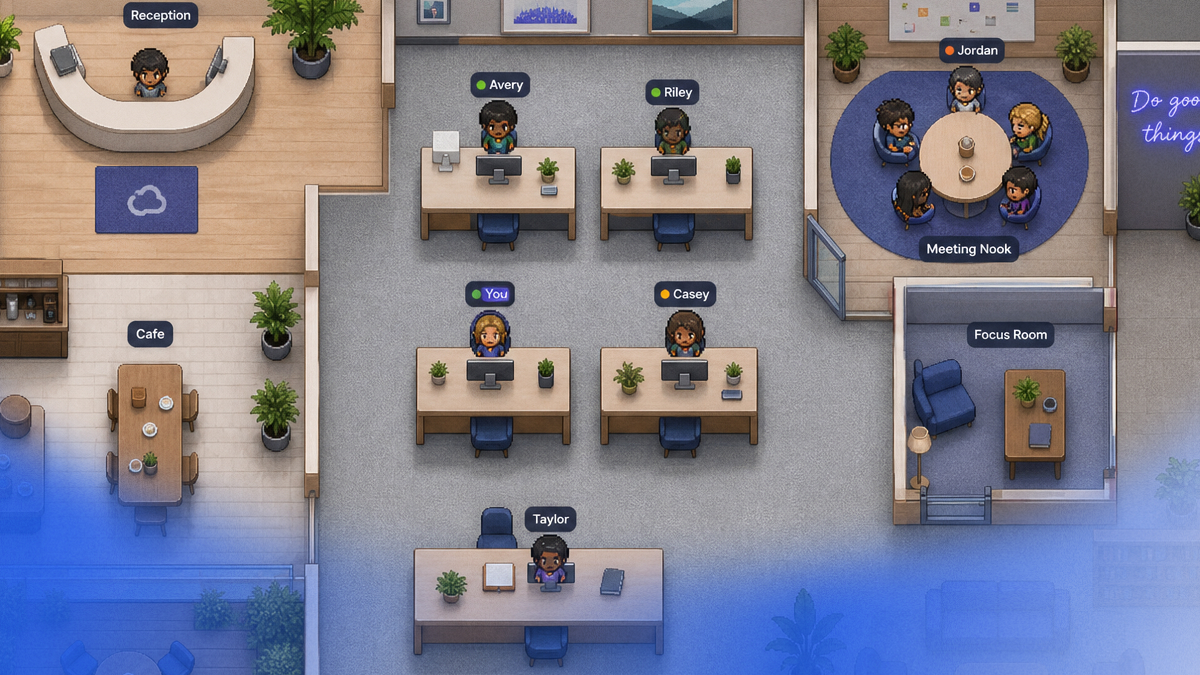
Presence indicators serve as a foundational element for building accountability in a virtual office setting. When team members can see the real-time status of their colleagues—whether they are in a meeting, deeply focused, or available for a quick chat—it creates a shared sense of presence. This visibility naturally encourages accountability, as individuals are more likely to stay committed to their stated status when they know their availability is visible to the entire group.
Furthermore, these indicators help manage expectations regarding response times. Instead of wondering why a message remains unanswered, a colleague can see that a teammate is currently in a "Deep Work" mode. This transparency reinforces accountability by ensuring that everyone respects each other's time and focus. By integrating tools like Hurbly.ai, teams can replicate the spontaneous interactions of a physical office while maintaining the discipline required for remote success.
Structural Steps to Implement Remote Accountability
Implementing a robust framework for accountability involves several practical steps that transition a team from mere task completion to high-level performance. Organizations should focus on the following processes:
- Define Clear Metrics: Establish what success looks like for every role to ensure objective accountability.
- Establish Availability Norms: Use virtual office platforms to signal when team members are active, fostering a culture of reliable presence.
- Regular Feedback Loops: Conduct brief, frequent check-ins to discuss progress and address obstacles, strengthening the bond of accountability.
- Promote Autonomy: Give employees the tools they need to manage their own schedules while remaining accountable for their final output.
By following these steps, companies create an environment where accountability is not seen as a burden but as a professional standard. This structure supports long-term growth and employee satisfaction.
Comparing Traditional Communication and Accountability-Focused Platforms
| Feature | Traditional Messaging | Accountability-Focused Platforms |
|---|---|---|
| Visibility | Hidden until a message is sent | Real-time presence and status |
| Interaction | Scheduled or delayed | Spontaneous and instant |
| Context | Lacks awareness of current task | Provides context for availability |
| Accountability | Relies on manual reporting | Built-in through active presence |
Traditional tools often create silos where team members feel isolated, making it harder to maintain a high level of accountability. In contrast, platforms like Hurbly.ai provide the necessary infrastructure to see coworkers' current status, which bridges the gap between physical and digital workspaces. This constant, non-intrusive visibility is a key driver for personal and collective accountability.
Why Real-Time Collaboration Strengthens Accountability
Real-time collaboration is the cornerstone of modern team dynamics. When a team can transition from a status update to a live conversation instantly, the friction of coordination disappears. This fluidity enhances accountability because issues are resolved as they arise rather than being postponed. A team that communicates in real-time is more likely to stay on track and meet deadlines, as the immediate feedback loop keeps everyone focused on their responsibilities.
The integration of a virtual office environment allows for these spontaneous interactions without the need for formal, scheduled calls. This accessibility ensures that accountability remains high, as team members are constantly engaged with one another’s progress. Utilizing Hurbly.ai enables this level of connection, helping distributed teams maintain the same level of accountability found in the world's most efficient physical offices. Ultimately, fostering accountability through better visibility leads to a more cohesive, transparent, and successful organization in 2026.