Optimizing Team Efficiency Through Asynchronous Communication
In this article

Optimizing Team Efficiency Through Asynchronous Communication
Modern remote work environments require a balance between immediate availability and deep focus. While real-time interaction is valuable, the strategic implementation of asynchronous communication allows teams to maintain high productivity levels without the constant interruption of notifications. By decoupling the act of sending information from the act of receiving it, organizations can ensure that complex tasks receive the undivided attention they require. This method of interaction is essential for distributed teams operating across various time zones in 2026.
Effective asynchronous communication functions by allowing team members to respond to inquiries at their own pace. Instead of expecting an instant reply, contributors provide detailed context in their messages, which reduces the need for follow-up questions. This shift in workflow minimizes the "ping-pong" effect of short, fragmented messages. Platforms like Hurbly.ai complement this by providing visibility into a teammate's current state, helping others decide whether a message should be sent for later review or if a quick real-time sync is more appropriate.
Core Benefits of Asynchronous Workflows
The primary advantage of adopting asynchronous communication is the preservation of "Deep Work" states. When employees are not pressured to monitor chat applications constantly, they can dedicate long blocks of time to cognitively demanding tasks. This results in higher quality output and reduced mental fatigue. Furthermore, asynchronous communication creates a natural written record of decisions and project evolutions, which serves as a valuable knowledge base for new hires or team members who were absent during a specific discussion.
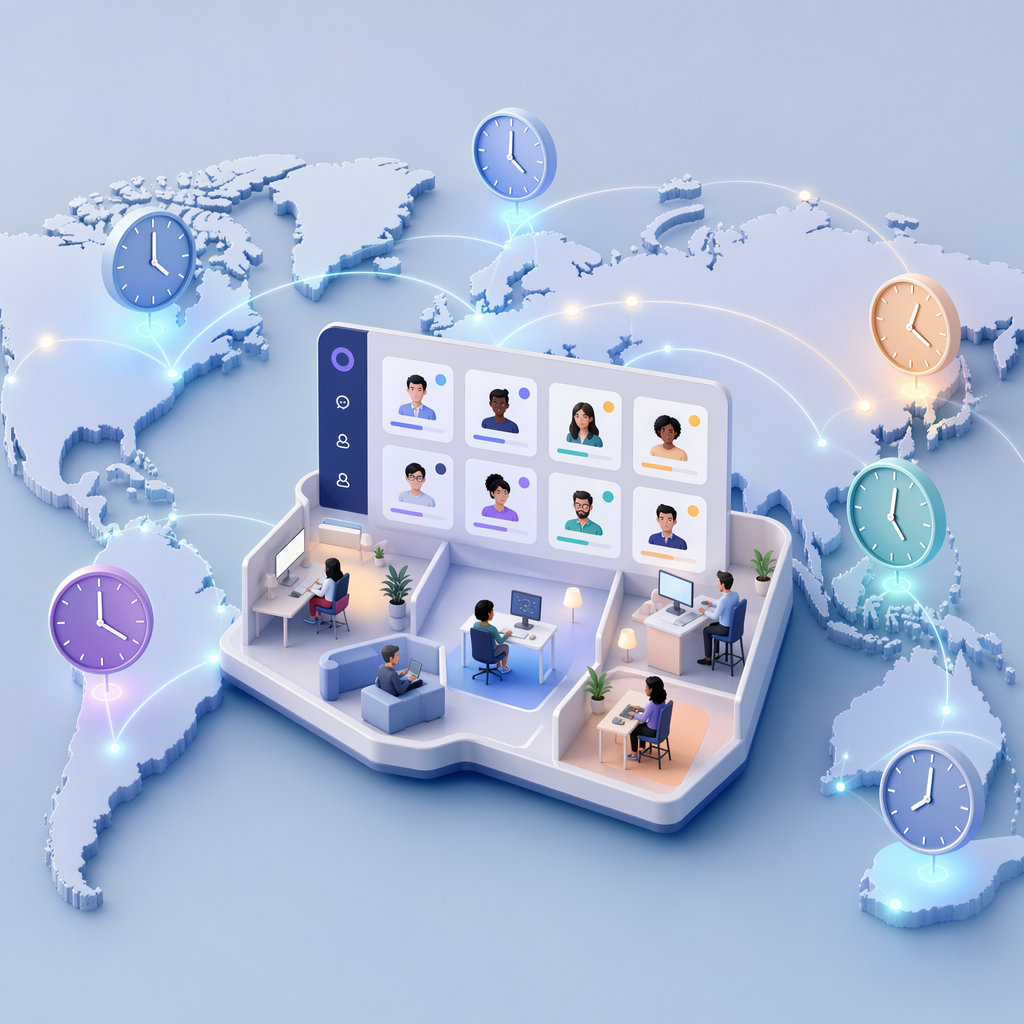
Beyond individual productivity, asynchronous communication fosters a more inclusive environment. It allows introverted team members or those who speak English as a second language more time to process information and formulate thoughtful responses. In 2026, global teams use these methods to bridge the gap between different geographic locations, ensuring that a colleague in London and another in Tokyo can collaborate effectively without forcing one person to work outside of standard business hours.
Strategic Implementation of Communication Methods
To successfully integrate asynchronous communication, teams must establish clear guidelines on which channels to use for specific types of information. Not every interaction should be delayed, and not every thought requires a meeting. Understanding the nuance between urgent and non-urgent requests is the foundation of a healthy digital culture.
| Communication Type | Best Use Case | Primary Benefit |
|---|---|---|
| Asynchronous | Status updates, feedback, documentation | Flexibility and focus |
| Synchronous | Brainstorming, urgent crises, social bonding | Immediate alignment |
When teams prioritize asynchronous communication for routine updates, they free up significant time in their calendars. This reclaimed time can then be used for high-impact synchronous moments. Using Hurbly.ai helps bridge these two worlds by showing exactly when someone is available for a spontaneous conversation, ensuring that when you do break away from asynchronous communication, it is at a time that is convenient for everyone involved.
Best Practices for Clearer Information Exchange
Transitioning to a model that favors asynchronous communication requires a shift in how messages are structured. Information must be self-contained and descriptive. A well-formatted asynchronous message should include:
- Context: Why is this message being sent and what is the background?
- The Ask: What specific action or feedback is required?
- Deadline: When is the information needed?
- Supporting Data: Links to relevant documents, screenshots, or recordings.
By following these steps, teams reduce the total volume of messages sent. High-quality asynchronous communication eliminates the ambiguity that often leads to unnecessary meetings. It encourages a culture of accountability where every team member is responsible for documenting their progress and sharing it in a way that is accessible to the rest of the organization.
Balancing Presence and Autonomy
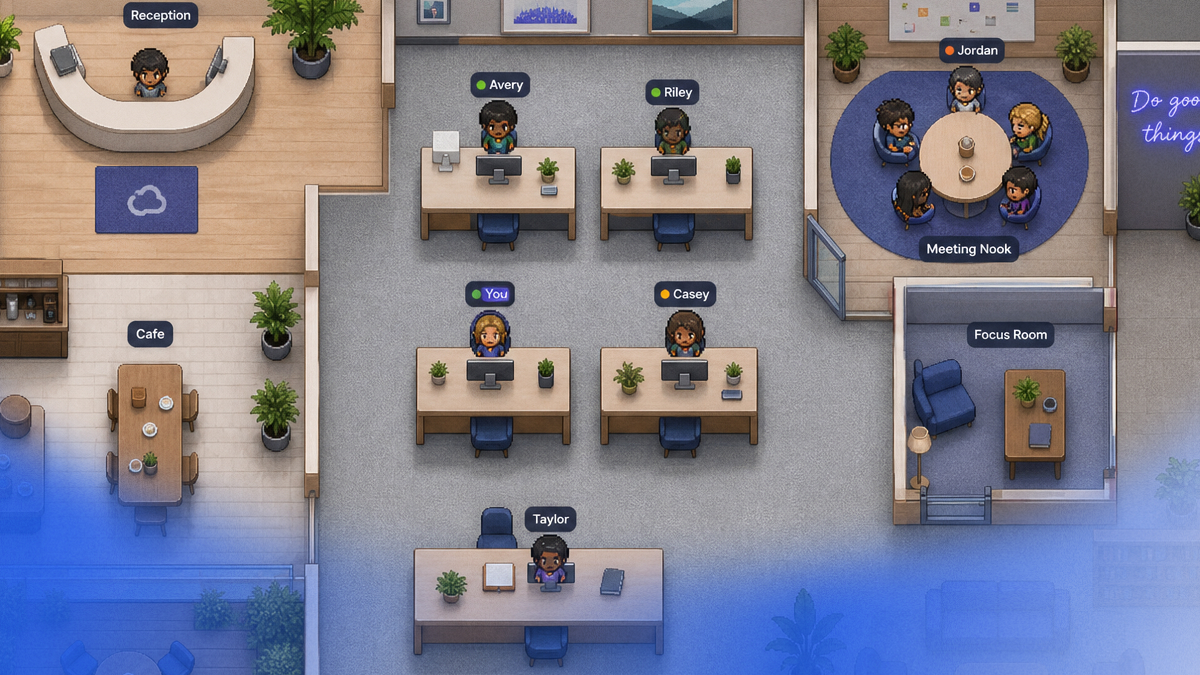
While the autonomy provided by asynchronous communication is powerful, maintaining a sense of team presence is equally vital for morale. A common challenge in 2026 is the feeling of isolation that can occur when all interactions are delayed. To counter this, teams use tools like Hurbly.ai to maintain a "virtual office" feel. This allows members to see who is currently active or in a meeting, providing a visual cue of team activity without demanding an immediate response.
This hybrid approach ensures that asynchronous communication remains the default for task-related work, while spontaneous social interactions or quick clarifications can still happen naturally. By seeing a colleague's status, you can respect their focus time or catch them for a quick chat during their break. This balance prevents the friction of over-scheduling while maintaining the human connection necessary for a healthy workplace.
The Future of Distributed Collaboration
As we look further into 2026, the mastery of asynchronous communication will continue to be a competitive advantage for companies. Organizations that can operate effectively without requiring everyone to be online at the same time can hire talent from anywhere in the world. This flexibility is no longer just a perk; it is a fundamental requirement for modern business scalability.
Ultimately, the goal of asynchronous communication is to give people control over their time. When employees have the agency to choose when they communicate, they are more engaged and less prone to burnout. By combining the discipline of asynchronous communication with real-time presence tools like Hurbly.ai, teams can create a seamless workflow that respects individual focus while fostering collective success.