Understanding Asynchronous Recruitment in Modern Hiring
In this article

Understanding Asynchronous Recruitment in Modern Hiring
Asynchronous recruitment refers to a hiring process where interactions between candidates and recruiters do not happen in real-time. Instead of scheduling simultaneous meetings, participants contribute at their own convenience. This method relies on digital tools to exchange information, such as pre-recorded video interviews, online assessments, and written questionnaires. In 2026, this approach has become a standard for global teams looking to remove geographical and temporal barriers.
The core of asynchronous recruitment is flexibility. Recruiters post questions or tasks, and candidates respond within a set timeframe. This allows both parties to manage their schedules more effectively. For companies managing distributed workforces, integrating these methods with tools like Hurbly.ai helps maintain a sense of presence and availability once the candidate is onboarded, ensuring that the transition from applicant to team member is seamless.
How Asynchronous Recruitment Functions
The process typically begins with an automated screening phase. Once a candidate passes the initial resume review, they are invited to participate in the asynchronous recruitment workflow. This often involves a video platform where the applicant records answers to specific prompts. Because the recruiter does not need to be present during the recording, the company can evaluate a much higher volume of candidates in a shorter period.
Following the video submission, asynchronous recruitment may include technical challenges or situational judgment tests. These assessments are completed independently, providing a standardized data set for the hiring team to review. This structured data makes it easier for multiple stakeholders to evaluate the same candidate without needing to coordinate a large panel interview, which is often a bottleneck in traditional hiring cycles.
Key Benefits of Asynchronous Recruitment for Global Teams
One primary advantage of asynchronous recruitment is the elimination of time zone conflicts. In a global economy, finding a common window for a live interview between a recruiter in London and a candidate in Tokyo is difficult. By using asynchronous recruitment, the candidate can perform at their best during their local business hours, while the recruiter reviews the submission during theirs.
Furthermore, asynchronous recruitment reduces unconscious bias. When every candidate responds to the exact same set of recorded prompts under similar conditions, the evaluation becomes more objective. This level of consistency is harder to maintain in live interviews, where the conversation can drift into unrelated topics. Transitioning these organized workflows into a digital workspace like Hurbly.ai allows teams to maintain that same level of organized, transparent communication after the hire.
Comparing Hiring Models: Asynchronous vs. Synchronous
| Feature | Asynchronous Recruitment | Synchronous Recruitment |
|---|---|---|
| Scheduling | No coordination required; flexible timing. | Requires matching calendars for all parties. |
| Consistency | High; every candidate answers the same prompts. | Variable; depends on the interviewer's flow. |
| Speed | Fast initial screening of many candidates. | Slower; limited by interviewer availability. |
| Candidate Experience | Pressure is reduced; time to think is provided. | High pressure; requires instant responses. |
| Scalability | Highly scalable through automation. | Difficult to scale without adding more staff. |
Implementing Asynchronous Recruitment in Your Workflow
To successfully implement asynchronous recruitment, a company must first define the specific competencies they wish to measure. Since there is no live follow-up during the initial phase, the questions must be clear, concise, and designed to elicit detailed responses. Providing candidates with clear instructions and a deadline is essential to keep the hiring pipeline moving forward.
- Identify the roles that benefit most from a flexible screening process.
- Select a platform that supports video responses and file uploads.
- Draft standardized questions that reflect the daily challenges of the position.
- Set up a review committee to evaluate submissions based on a fixed rubric.
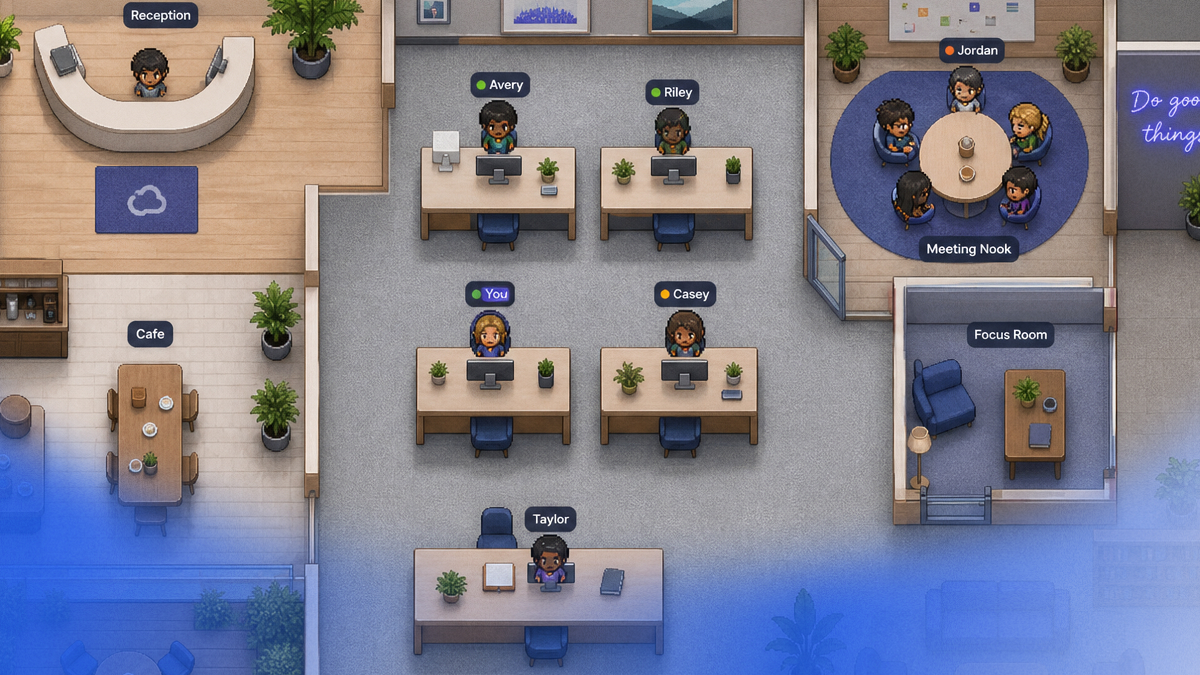
- Integrate the final stages with a virtual office platform like Hurbly.ai to introduce the candidate to the team's real-time culture.
The Role of Technology in Asynchronous Recruitment
Technology acts as the backbone of the asynchronous recruitment model. Artificial intelligence is often used to transcribe video interviews or highlight specific keywords in candidate responses, further accelerating the screening process. These tools allow recruiters to focus their energy on the final selection stages rather than the repetitive task of initial vetting.
As we move further into 2026, the data gathered during asynchronous recruitment provides valuable insights into a candidate's communication style. Effective written and recorded communication is a prerequisite for remote work success. By observing how an applicant handles asynchronous recruitment, a manager can predict how well they will interact within a digital presence environment, where clear and concise communication is vital for team cohesion.
Why Asynchronous Recruitment is Relevant in 2026
The shift toward permanent remote and hybrid work models has made asynchronous recruitment a necessity rather than an option. Companies can no longer afford the delays associated with traditional back-and-forth scheduling. This method respects the candidate's time and allows the hiring team to make data-driven decisions based on performance rather than just personality.
Finally, asynchronous recruitment prepares new hires for the reality of modern digital collaboration. Most tasks in a distributed environment are completed independently and then shared for feedback. By experiencing asynchronous recruitment during the application phase, candidates prove they have the discipline and technical literacy required to thrive in modern workplaces that utilize platforms like Hurbly.ai to bridge the gap between physical and digital offices.