Effective Methods for Implementing a Modern Attendance Tracker in 2026

In this article

Effective Methods for Implementing a Modern Attendance Tracker in 2026
An attendance tracker is a digital system used by organizations to monitor the presence, availability, and engagement of team members. In the current landscape of 2026, these systems have evolved beyond simple clock-in tools. They now provide real-time data that helps managers understand workforce distribution across various time zones and work environments. By using an attendance tracker, companies can automate the collection of hours worked, manage leave requests, and ensure that project deadlines align with actual staff availability.
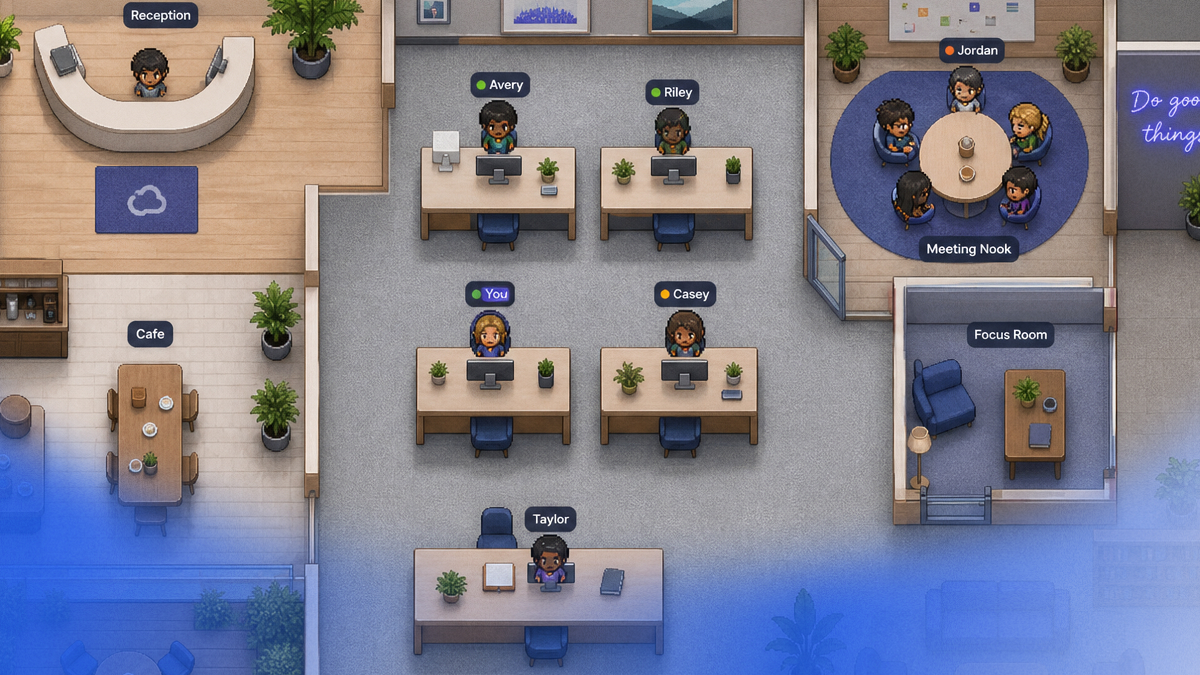
Modern systems function by integrating with communication platforms or operating as standalone virtual environments. An attendance tracker typically records when a user logs into their workspace and tracks their active status throughout the day. This data is relevant because it eliminates the manual errors associated with spreadsheets and provides a transparent record for both employers and employees. For teams seeking to enhance this visibility, Hurbly.ai offers a virtual office experience that complements traditional monitoring by showing real-time presence and focus levels.
Key Features of a Digital Attendance Tracker
To be effective, an attendance tracker must offer more than just a timestamp. It should include features that cater to the flexibility required by remote and hybrid work models. High-quality systems prioritize data accuracy and user privacy while providing actionable insights for HR departments.
- Real-Time Status Updates: This allows colleagues to see who is currently active, away, or in a deep work session.
- Automated Reporting: An attendance tracker generates weekly or monthly summaries of total hours, helping with payroll and compliance.
- Geofencing and IP Tracking: For teams with specific location requirements, these features ensure that the attendance tracker logs data only when the user is in an authorized work area.
- Integration Capabilities: Connecting the attendance tracker with calendar apps and project management tools prevents data silos.
Integrating these features into a single attendance tracker reduces the administrative burden on team leads. Instead of asking for status updates, managers can view a dashboard that displays the current availability of the entire department. This transparency is a core component of platforms like Hurbly.ai, which focus on spontaneous interaction through clear presence indicators.
Benefits of Using an Attendance Tracker for Remote Teams
Remote work presents unique challenges for coordination, making a reliable attendance tracker essential for maintaining operational flow. When team members are distributed globally, knowing exactly when someone is available for a quick sync prevents the friction of back-and-forth messaging. An attendance tracker provides a centralized "source of truth" regarding who is online, which is vital for meeting project milestones.
| Benefit | Description |
|---|---|
| Increased Accountability | Employees are more mindful of their schedules when an attendance tracker is in use. |
| Improved Resource Planning | Managers use attendance tracker data to distribute workloads based on actual capacity. |
| Streamlined Communication | Knowing a peer's status via an attendance tracker reduces unnecessary interruptions. |
| Legal Compliance | Many regions in 2026 require precise digital records of working hours for labor law adherence. |
Beyond simple monitoring, an attendance tracker helps in identifying patterns of overwork. If the logs show a team member is consistently active outside of standard hours, leadership can intervene to prevent burnout. This proactive approach to wellness is supported by tools like Hurbly.ai, which visualize team presence to foster a healthier, more connected digital culture.
Implementing an Attendance Tracker in Four Steps
- Define Objectives: Determine if the attendance tracker is primarily for payroll, productivity analysis, or simply to improve team visibility.
- Select the Right Software: Choose a platform that balances comprehensive data collection with a user-friendly interface.
- Establish Clear Policies: Communicate how the attendance tracker data will be used and ensure all employees understand the privacy safeguards in place.
- Analyze and Adjust: Regularly review the data from the attendance tracker to identify bottlenecks in team availability or areas where scheduling could be optimized.
By following these steps, organizations can transition from fragmented communication to a unified workflow. Using an attendance tracker alongside a virtual office platform like Hurbly.ai creates a comprehensive environment where presence is visible and collaboration is instantaneous. This combination ensures that the attendance tracker serves as a tool for empowerment rather than just a mechanism for surveillance.