Maximizing Remote Team Presence Beyond Chat Only Tools

In this article

Maximizing Remote Team Presence Beyond Chat Only Tools
Understanding team availability in a digital workspace requires more than just basic messaging. While many organizations rely on Chat only tools to exchange text, these platforms often fail to capture the nuances of a physical office environment. In 2026, the challenge for distributed teams is maintaining a sense of presence and spontaneous connection. Relying exclusively on Chat only tools can lead to communication silos where team members feel isolated or unsure when it is appropriate to interrupt a colleague for a quick question.
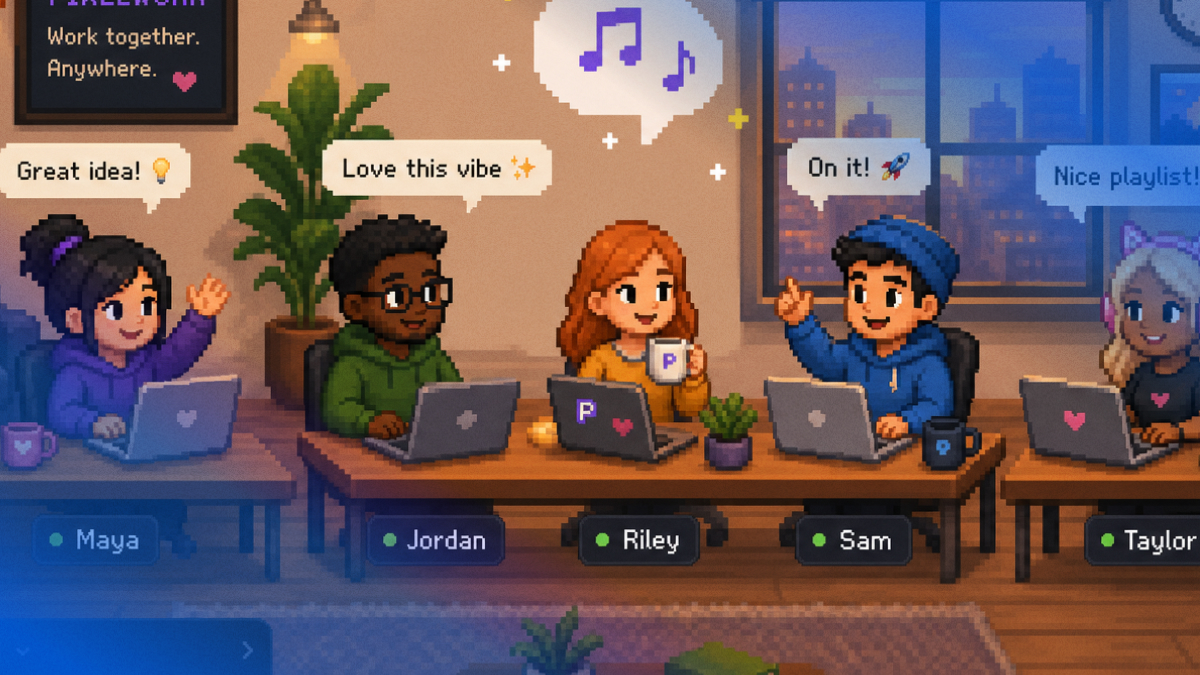
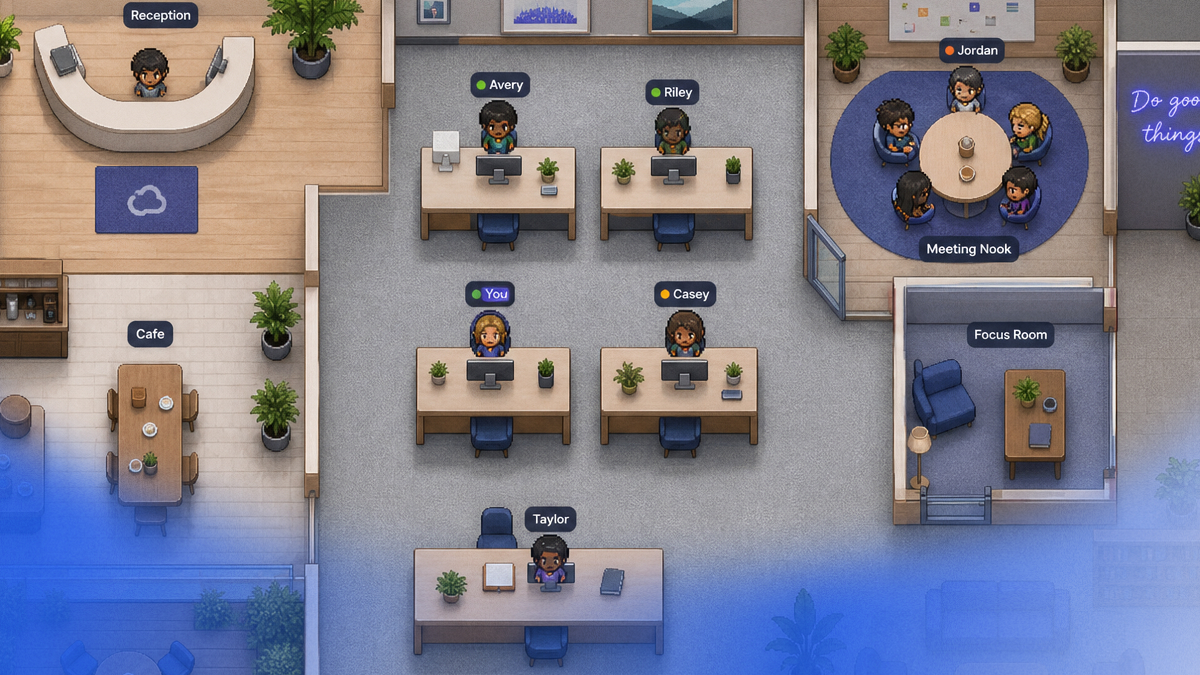
To bridge this gap, teams are moving toward virtual office environments that provide real-time visibility. Unlike standard Chat only tools, a virtual office platform allows users to see who is currently focused, who is in a meeting, and who is available for a quick chat. This transparency reduces the friction of coordination. When a team uses Hurbly.ai, they gain a visual representation of their workspace, moving beyond the static status indicators found in most Chat only tools.
The Limitations of Traditional Digital Communication
Traditional digital communication often forces a choice between two extremes: a scheduled video call or a text message. Chat only tools are excellent for asynchronous updates, but they lack the immediacy required for creative brainstorming or rapid problem-solving. Because Chat only tools do not show real-time engagement levels, employees often hesitate to reach out, fearing they might disturb a coworker who is deep in a task. This hesitation can slow down project timelines and decrease overall team agility.
Furthermore, the lack of visual presence in Chat only tools contributes to "meeting fatigue." Since spontaneous interactions are difficult to initiate, teams tend to over-schedule formal meetings to ensure everyone is on the same page. By integrating a presence-based platform, teams can replace these 30-minute calendar invites with 2-minute "walk-up" conversations, something that is rarely possible when using Chat only tools as the primary mode of interaction.
Enhancing Collaboration with Real-Time Presence Indicators
Real-time presence technology transforms the digital workspace by replicating the social cues of a physical office. While Chat only tools show a simple green dot for "online," advanced platforms provide deeper context. For example, a user might be marked as "In the Zone," signaling to others that they should only be interrupted for urgent matters. This level of detail is a significant upgrade over the binary status options provided by typical Chat only tools.
| Feature | Chat Only Tools | Hurbly.ai Presence |
|---|---|---|
| Availability | Static online/offline status | Real-time focus and meeting states |
| Interaction | Message-based only | Instant, spontaneous conversations |
| Context | Low (text-heavy) | High (visual office layout) |
| Spontaneity | Requires manual checking | Encouraged by visual cues |
By moving away from a reliance on Chat only tools, teams can foster a more organic culture. Workers can see their peers "sitting" in a virtual lounge or a project room, making it easy to join a discussion without the formality of a link or an invite. This environment addresses the social isolation often associated with Chat only tools.
Why Distributed Teams Need More Than Messaging
Freelancers and distributed organizations require high levels of transparency to function effectively across different time zones. If a manager relies solely on Chat only tools, they may lose track of the team's pulse and morale. Real-time visibility ensures that everyone feels seen and included. While Chat only tools serve a purpose for documentation and quick links, they cannot replace the feeling of working alongside colleagues in a shared space.
- Identify Availability: Check the virtual floor plan to see who is active.
- Assess Focus: Determine if a colleague is in "Deep Work" mode or open for a chat.
- Initiate Contact: Start a conversation instantly without waiting for a reply in Chat only tools.
- Reduce Noise: Minimize the endless notifications that often plague Chat only tools.
The transition from Chat only tools to a comprehensive presence platform like Hurbly.ai helps reduce the cognitive load on employees. Instead of constantly checking multiple channels in Chat only tools to see if someone is active, users can simply glance at their virtual office. This streamlined approach to communication is essential for maintaining productivity and well-being in the modern remote work era.
Optimizing Workflow and Reducing Communication Friction
The primary goal of evolving beyond Chat only tools is to make digital collaboration feel natural. When communication is restricted to Chat only tools, information often gets buried in long threads, and the "human" element of work is diminished. By utilizing a platform that emphasizes presence, teams can maintain the flow of information more effectively than they could with Chat only tools alone.
In conclusion, while Chat only tools remain a staple of the modern tech stack, they are no longer sufficient for teams that prioritize high-performance collaboration. Integrating a tool like Hurbly.ai allows teams to reclaim the spontaneity of the physical office. Moving past the limitations of Chat only tools ensures that remote work is not just about finishing tasks, but about building a connected and transparent professional community.