Enhancing Remote Collaboration Through Strategic Coffee Meetings

In this article

Enhancing Remote Collaboration Through Strategic Coffee Meetings
Coffee meetings serve as a foundational element for building professional relationships and fostering team cohesion in a distributed work environment. Unlike formal board meetings, coffee meetings prioritize open dialogue and spontaneous brainstorming, allowing team members to connect on a personal level while discussing work-related objectives. In 2026, as remote work continues to evolve, these interactions bridge the gap between physical distance and social presence, ensuring that team culture remains strong regardless of geographical location.
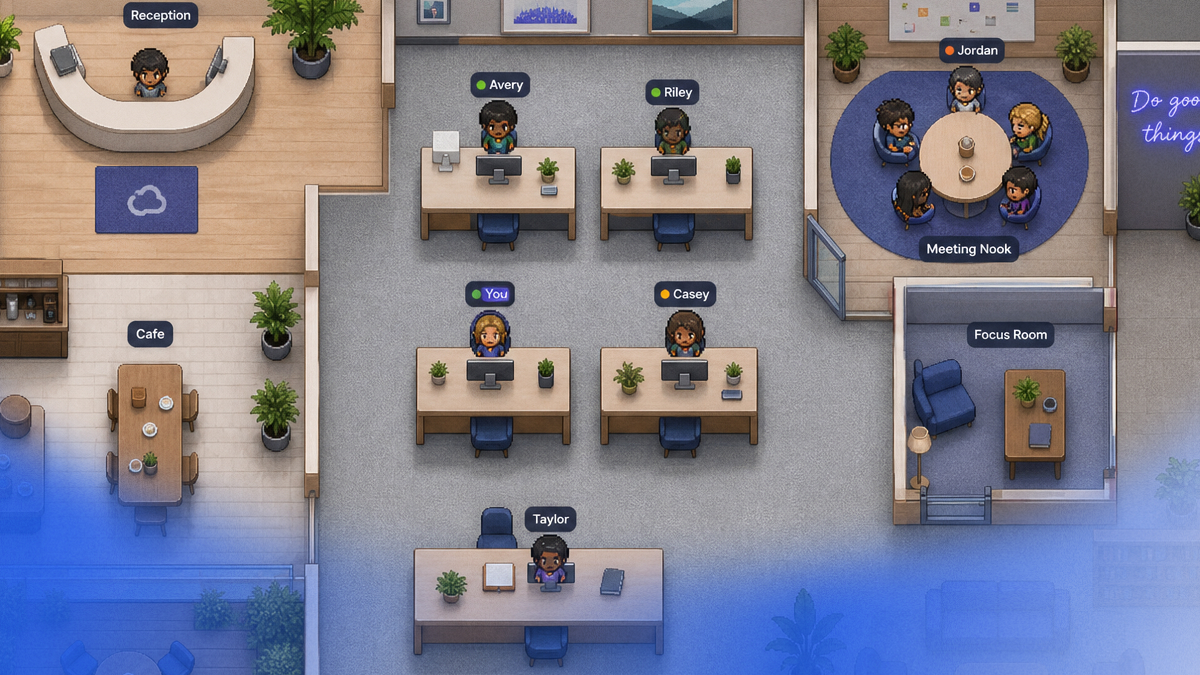
Effective coffee meetings provide a low-pressure environment where employees can share ideas that might not surface during structured video conferences. By integrating these casual touchpoints into a weekly schedule, organizations can reduce the isolation often felt by remote workers. Utilizing tools like Hurbly.ai allows teams to see who is available for such interactions in real-time, making it easier to initiate coffee meetings without the friction of back-and-forth scheduling or calendar invites.
How to Structure Productive Coffee Meetings
To maximize the utility of coffee meetings, participants should establish a clear but flexible intent before the conversation begins. While the tone is informal, having a specific topic or a set of questions helps keep the discussion focused and valuable for everyone involved. Successful coffee meetings often last between 15 and 30 minutes, providing enough time for meaningful connection without disrupting the daily workflow or causing meeting fatigue.
When organizing coffee meetings, consider the following structural elements to ensure success:
- Identify a Goal: Determine if the meeting is for mentorship, project updates, or general networking.
- Choose the Right Time: Use presence indicators to find a gap in a colleague's schedule where they aren't in deep focus mode.
- Keep it Brief: Respecting time limits ensures that coffee meetings remain a welcome part of the day rather than a burden.
- Follow Up: A quick message after the session can solidify the points discussed and maintain momentum.
The Role of Technology in Facilitating Coffee Meetings
In the modern digital workspace, the visibility of colleagues is crucial for spontaneous engagement. Platforms like Hurbly.ai replicate the physical office atmosphere by showing real-time status updates, such as who is focused, available, or already engaged. This transparency is vital for initiating coffee meetings naturally, as it removes the guesswork of whether a coworker is open to a chat or deep into a complex task.
By leveraging real-time presence data, teams can transition from static messaging to dynamic coffee meetings instantly. This approach minimizes the need for formal invitations, which often feel too rigid for a casual catch-up. When a team member sees a peer in an "available" status, they can quickly suggest one of these coffee meetings, mimicking the experience of walking over to a colleague's desk in a traditional office setting.
Benefits of Regular Coffee Meetings for Remote Teams
Regularly scheduled or spontaneous coffee meetings contribute significantly to the psychological well-being of remote employees. These interactions provide a dedicated space for "watercooler talk," which is essential for innovation and problem-solving. When employees engage in coffee meetings, they often discover shared interests or overlapping project goals that might have remained hidden in a purely task-oriented communication environment.
The following table illustrates the differences between formal sessions and casual coffee meetings:
| Feature | Formal Meetings | Coffee Meetings |
|---|---|---|
| Primary Goal | Decision making and reporting | Relationship building and ideation |
| Duration | 60+ minutes | 15 - 30 minutes |
| Scheduling | Required days in advance | Often spontaneous or short-notice |
| Atmosphere | Structured and professional | Relaxed and conversational |
| Outcome | Action items and minutes | Increased trust and collaboration |
Overcoming Barriers to Virtual Coffee Meetings
One of the main challenges in remote work is the "barrier to entry" for starting a conversation. Many employees hesitate to reach out for coffee meetings because they fear interrupting a colleague's flow. However, by using a virtual office platform like Hurbly.ai, these barriers are lowered. Seeing a visual indicator of a teammate's presence provides the social cues necessary to feel comfortable initiating coffee meetings at the right moment.
To further encourage these interactions, leadership should model the behavior by participating in coffee meetings themselves. When managers prioritize these informal chats, it signals to the rest of the team that social connection is a valued part of the organizational strategy. Over time, these coffee meetings become a natural part of the team's rhythm, leading to a more transparent, communicative, and synchronized workforce that can adapt quickly to new challenges in 2026 and beyond.