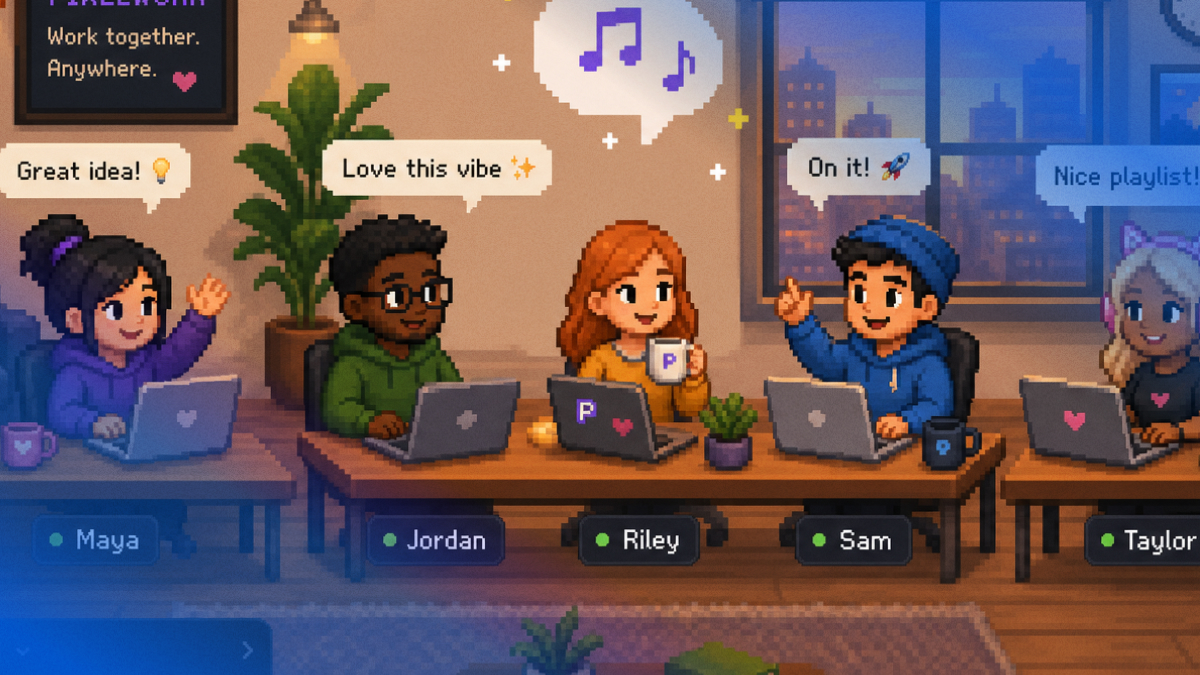
Understanding Digital Presence and Team Collaboration in 2026
In this article

Understanding Digital Presence and Team Collaboration in 2026
Effective team collaboration relies on more than just exchanging messages; it requires a shared understanding of availability and context. In a remote or distributed work environment, the lack of physical proximity often leads to "meeting fatigue," where every small question requires a scheduled video call. By utilizing real-time presence technology, teams can recreate the spontaneous interactions of a physical office. This approach reduces the friction typically found in digital workflows and ensures that collaboration remains fluid and natural throughout the workday.
Modern collaboration tools focus on visibility. When team members can see who is currently focused, who is available for a quick chat, or who is already in a meeting, they can make better decisions about when to reach out. This transparency prevents unnecessary interruptions and respects deep-work cycles. Tools like Hurbly.ai provide this essential layer of situational awareness, allowing users to engage with one another instantly without the administrative overhead of calendar invites.
How Real-Time Presence Enhances Remote Collaboration
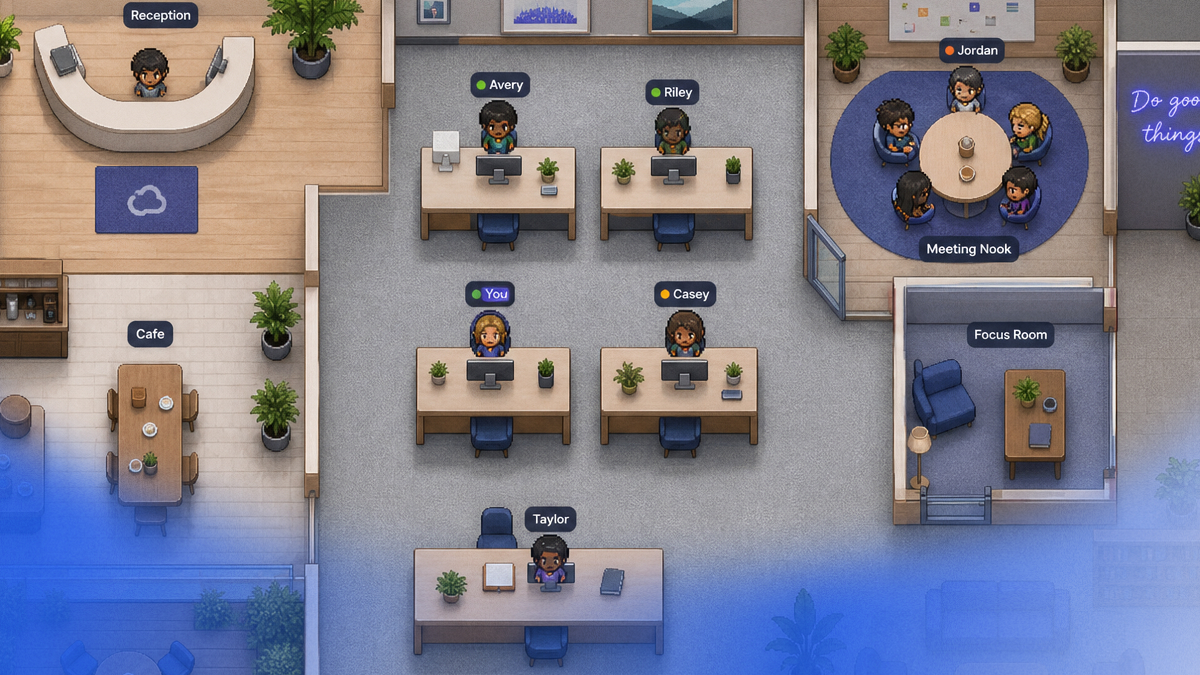
The mechanics of real-time presence involve digital indicators that update automatically based on user activity. This system functions as a virtual office map. For example, a "focused" status might signal to the team that a colleague is working on a high-concentration task, while an "available" status invites open collaboration. This visual hierarchy helps distributed teams maintain a high level of synchronization regardless of their physical location or time zone.
Successful collaboration in 2026 is defined by the ability to transition between solo work and group discussion seamlessly. Instead of relying on static status messages that are often outdated, real-time platforms offer a dynamic view of the team's pulse. This immediacy fosters a sense of belonging and reduces the isolation often felt by remote workers. By seeing coworkers' active presence, the digital workspace becomes a living environment where collaboration happens in the moment rather than being deferred to a later time.
Benefits of Spontaneous Interaction for Distributed Teams
Spontaneous interaction is a cornerstone of creative problem-solving. In traditional office settings, "watercooler moments" often lead to breakthrough ideas. In a digital context, fostering this type of collaboration requires a platform that supports instant audio or video connections. When a team member has a quick question, being able to start a conversation immediately—rather than typing a long email—accelerates the decision-making process and strengthens professional bonds.
| Feature | Impact on Collaboration |
|---|---|
| Real-time Status | Reduces interruptions by showing exactly when a person is busy. |
| Instant Audio/Video | Facilitates rapid collaboration without the need for scheduling. |
| Virtual Office Layout | Provides a spatial sense of the team, improving social cohesion. |
| Focus Mode | Protects individual productivity while keeping the team informed. |
By prioritizing these features, organizations can move away from rigid communication structures. This shift allows for a more agile form of collaboration where information flows freely. When the barriers to starting a conversation are removed, teams report higher levels of engagement and a more proactive approach to collective tasks.
Optimizing Workflows through Integrated Collaboration Tools
Integrating presence indicators directly into the daily workflow changes how tasks are managed. Instead of checking multiple apps to see if someone is online, a centralized virtual office provides a single source of truth. This centralization is vital for effective collaboration, as it minimizes the cognitive load of switching between different communication channels. Hurbly.ai serves as this central hub, ensuring that every team member is visible and accessible when needed.
To maximize the impact of these tools, teams should follow a few structured steps:
- Define clear status meanings to ensure everyone understands what "focused" or "available" implies.
- Encourage the use of instant conversations for topics that would take too long to explain via text.
- Use the virtual office view to identify natural windows for collaboration throughout the day.
- Respect the boundaries set by presence indicators to maintain a healthy work-life balance.
Following these steps ensures that the technology supports, rather than hinders, the human element of work. As remote work continues to evolve, the focus remains on creating environments where collaboration feels effortless. By leveraging real-time visibility, teams can achieve a level of productivity and connection that rivals, or even surpasses, traditional in-person office settings. This evolution in collaboration is essential for the modern, globalized workforce of 2026.