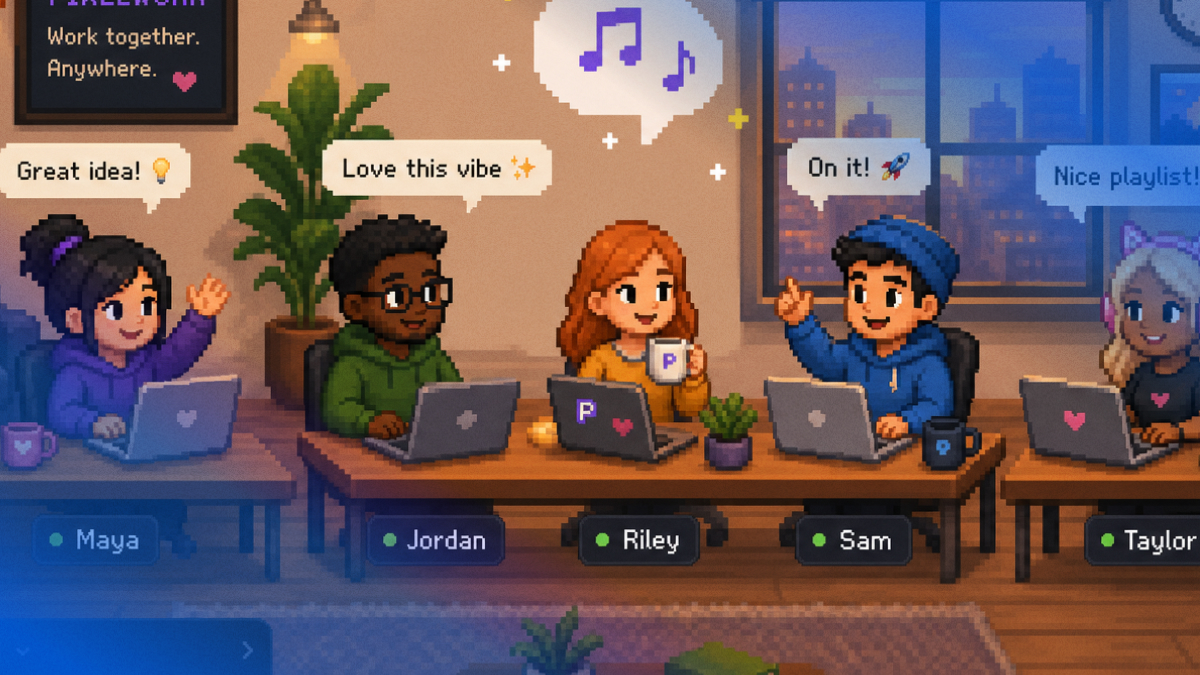
Enhancing Team Performance Through Collaboration Skills in Virtual Environments
In this article

Enhancing Team Performance Through Collaboration Skills in Virtual Environments
Effective teamwork in 2026 relies heavily on how well distributed groups can synchronize their efforts without the physical cues of a traditional office. Developing strong collaboration skills allows professionals to navigate digital workspaces by understanding when to engage with colleagues and when to allow for deep focus. In a remote setting, these skills involve more than just speaking; they require an acute awareness of team dynamics and the ability to use presence-based tools to facilitate fluid interactions.
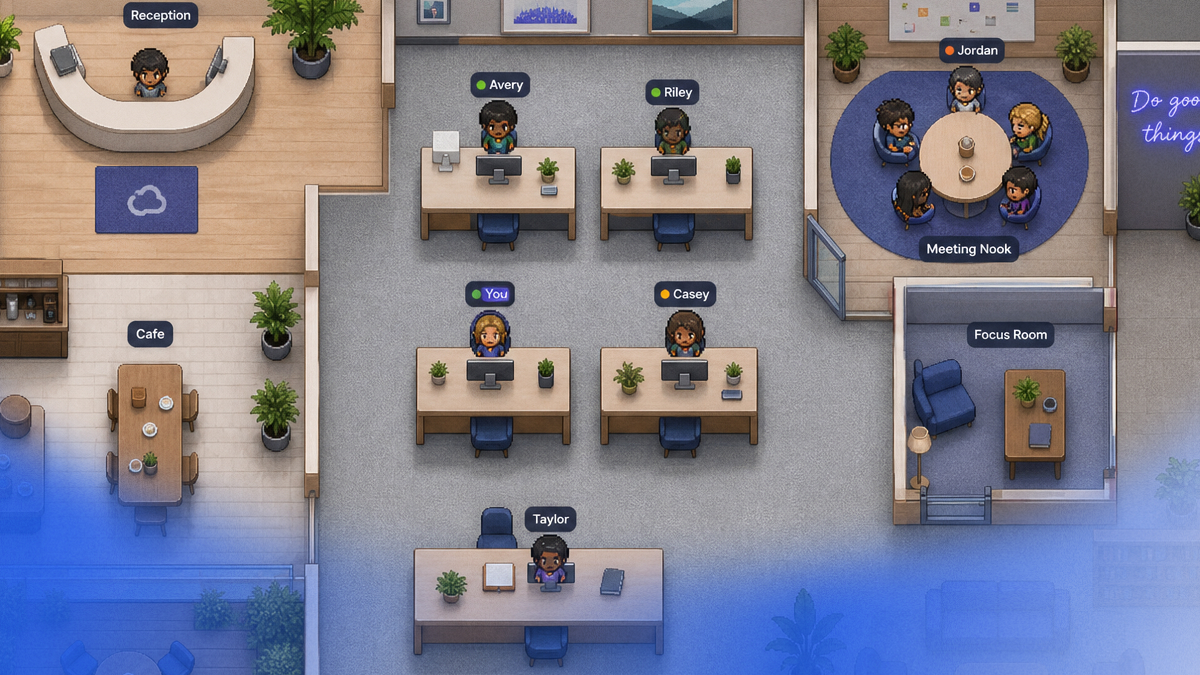
Modern platforms like Hurbly.ai support these efforts by providing real-time visibility into team availability. When team members can see who is currently in a meeting, who is focused, or who is available for a quick chat, they exercise their collaboration skills by choosing the most appropriate moment to reach out. This transparency reduces the friction often found in remote work, where the lack of visual context leads to interrupted workflows or unnecessary delays in communication.
The Role of Real-Time Presence in Team Synergy
Real-time presence technology acts as a digital floor plan, showing the status of every team member at a glance. By utilizing such systems, individuals can apply their collaboration skills to foster spontaneous interactions that mimic the "watercooler moments" of a physical office. Instead of relying on rigid, scheduled video calls that can drain productivity, teams use presence indicators to start instant, informal conversations. This approach ensures that information flows naturally across the organization.
The ability to interpret digital status signals is a core component of modern collaboration skills. For instance, seeing a "focused" status tells a colleague to hold off on non-urgent queries, while an "available" status invites a quick sync-up. This level of coordination helps maintain a high velocity of work while respecting individual boundaries. Hurbly.ai facilitates this environment by displaying clear presence indicators, making it easier for distributed teams to stay connected without the overhead of constant messaging.
Practical Steps to Improve Collaboration Skills Remotely
Improving collaboration skills requires a combination of the right mindset and the right technical tools. Teams must move away from a culture of constant interruptions toward one of informed engagement. Here are several ways to refine these skills in a virtual office setting:
- Active Status Management: Consistently updating your availability helps others use their collaboration skills to decide when to interact with you.
- Contextual Communication: Before starting a conversation, check the recipient's current activity to ensure the timing is right for a productive exchange.
- Spontaneous Engagement: Use instant voice or video features for quick clarifications instead of sending long, complex emails that might be misinterpreted.
- Transparency: Share your current focus areas so the team understands your priorities, which is a vital part of advanced collaboration skills.
| Feature | Impact on Collaboration | Why it Matters |
|---|---|---|
| Real-time Status | Enhances collaboration skills | Reduces "pinging" people who are busy. |
| Instant Conversations | Speeds up decision-making | Eliminates the need for scheduled meetings. |
| Visual Office Layout | Builds team cohesion | Replicates the feeling of being in the same room. |
Why Specialized Tools Facilitate Better Coordination
General messaging apps often fail to capture the nuance of human availability, leading to notification fatigue. Specialized platforms like Hurbly.ai are designed to bridge this gap by prioritizing presence and visibility. When employees have a clear view of their digital surroundings, they naturally sharpen their collaboration skills, becoming more adept at navigating the complexities of remote coordination. This clarity is essential for freelancers and large distributed organizations alike.
Effective collaboration skills are also about reducing the cognitive load on team members. When a platform handles the "who is available" question automatically, individuals can spend more energy on the actual work. By integrating presence-based technology, teams can support more fluid collaboration across different time zones. This ensures that even if colleagues are miles apart, their collaboration skills allow them to work as a unified, synchronized unit.
Achieving Long-Term Success with Distributed Teams
As we move further into 2026, the distinction between physical and virtual offices continues to blur. The success of a remote team depends on its collective collaboration skills and the infrastructure it uses to communicate. By focusing on transparency and real-time engagement, organizations can avoid the silos that often form in digital environments. Using a platform like Hurbly.ai provides the necessary context for these collaboration skills to flourish.
Ultimately, the goal is to create a workspace where interaction is effortless and informed. High-level collaboration skills enable teams to maintain a steady pulse of activity, ensuring that everyone feels seen and supported. By prioritizing these skills and utilizing presence-focused tools, companies can build a sustainable culture of productivity and mutual respect, regardless of where their employees are located. Mastering collaboration skills is the most effective way to ensure that remote work remains both human-centric and highly efficient.