Enhancing Productivity with Modern Collaboration Tools for Software Development Teams

In this article

Enhancing Productivity with Modern Collaboration Tools for Software Development Teams
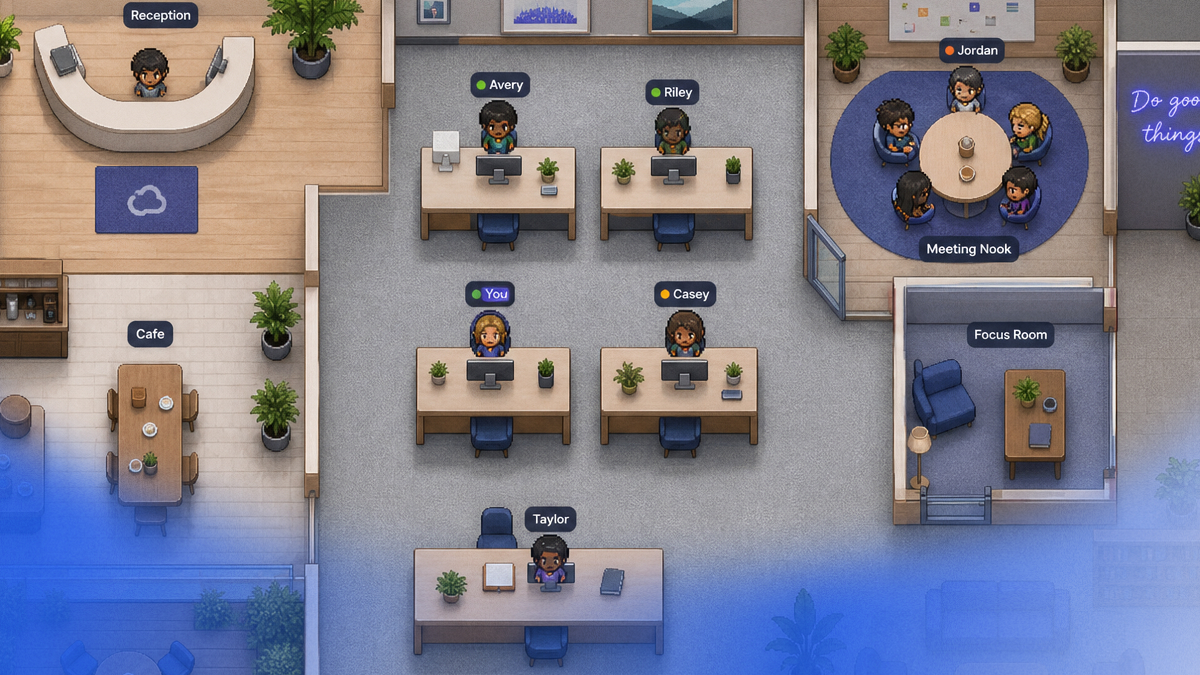
The landscape of professional engineering has shifted significantly by 2026, moving away from rigid, scheduled interactions toward fluid, real-time engagement. Effective collaboration tools for software development teams are no longer just about task management; they are about creating a shared digital space where presence and availability are transparent. When developers can see who is active or deep in a "focus mode," the friction of starting a technical discussion vanishes. This transparency reduces the cognitive load of wondering whether a colleague is available for a quick code review or a pair programming session.
Modern collaboration tools for software development teams prioritize reducing "meeting fatigue" by enabling spontaneous interactions. Instead of filling calendars with 30-minute blocks for 5-minute questions, these platforms allow for instant audio or video huddles. This approach mimics the natural flow of a physical office, where a quick tap on the shoulder solves a problem faster than an email thread. For distributed organizations, implementing the right collaboration tools for software development teams ensures that remote engineers feel as connected as those working from a central hub.
Real-Time Presence and Digital Office Dynamics
A critical component of collaboration tools for software development teams is the visual representation of the workforce. Platforms like Hurbly.ai provide a virtual office environment where team members appear as avatars or status indicators. This real-time visibility shows whether a teammate is in a meeting, focused on a complex bug, or available for a chat. By using these types of collaboration tools for software development teams, managers can gain insights into team capacity without intrusive micromanagement, as the presence data is updated automatically based on user activity.
The functionality of these collaboration tools for software development teams typically includes:
- Presence Indicators: Real-time status updates (e.g., "In a Meeting," "Deep Work," "Available").
- Instant Audio Zones: Areas where users can talk immediately without generating a call link.
- Focus Protection: Features that signal to others when a developer should not be interrupted.
- Spatial Awareness: A visual map or list that helps users understand the "vibe" of the digital office.
Benefits of Spontaneous Interaction in Engineering
When utilizing specialized collaboration tools for software development teams, the speed of information exchange increases. In software engineering, obstacles often require immediate peer input to prevent a total halt in the development pipeline. Traditional communication methods often delay these resolutions. However, collaboration tools for software development teams that support instant "walk-ups" allow developers to resolve blockers in seconds, maintaining the momentum of the sprint.
| Feature Type | Traditional Communication | Modern Collaboration Tools |
|---|---|---|
| Availability | Unknown / Manual Status | Real-time / Automated Presence |
| Interaction | Scheduled Meetings | Spontaneous Huddles |
| Context | Isolated Messages | Shared Virtual Environment |
| Efficiency | High Friction (Links/Invites) | Low Friction (Click-to-talk) |
Furthermore, the social aspect of collaboration tools for software development teams cannot be ignored. Remote work can lead to isolation, which impacts morale and retention. By providing a digital space that feels "alive," these collaboration tools for software development teams foster a sense of belonging. Engineers are more likely to share knowledge and mentor junior staff when the digital environment encourages casual, unforced conversation.
Optimizing Workflows with Integrated Solutions
Integrating collaboration tools for software development teams into the daily stack is essential for 2026 workflows. These tools work alongside version control and project tracking systems to provide a holistic view of the project's health. For instance, Hurbly.ai complements existing workflows by filling the gap between asynchronous chat and formal video conferencing. By choosing the right collaboration tools for software development teams, organizations can eliminate the "black box" effect of remote work, where it is unclear what individuals are working on at any given moment.
To successfully implement these collaboration tools for software development teams, organizations should follow these steps:
- Define clear "Focus Hours" where presence indicators signal deep work.
- Encourage "Open Door" policies within the virtual office to promote accessibility.
- Use the platform for daily stand-ups to keep the ritual quick and informal.
- Monitor team engagement levels to prevent burnout and ensure a healthy work-life balance.
Ultimately, the goal of using collaboration tools for software development teams is to create a frictionless path from a problem to a solution. When the digital environment supports the way engineers actually work—through bursts of high concentration followed by collaborative problem-solving—the entire organization benefits from higher code quality and faster delivery cycles. These collaboration tools for software development teams represent the next evolution in how global talent builds software together.