Enhancing Productivity Through a Collaborative Working Space in 2026
In this article

Enhancing Productivity Through a Collaborative Working Space in 2026
A collaborative working space functions as a centralized digital or physical environment designed to host professional interactions and project management. In 2026, these spaces have evolved beyond simple desks or chat rooms into integrated ecosystems where information flows without friction. The primary goal of a collaborative working space is to eliminate silos, ensuring that every team member has access to the resources and colleagues necessary to complete their tasks efficiently.
By establishing a dedicated collaborative working space, organizations can synchronize their workflows across different time zones. This setup allows for the centralization of documents, real-time editing, and immediate feedback loops. When a team operates within a structured collaborative working space, the time spent searching for information or waiting for email replies is significantly reduced, directly impacting the overall output and quality of the work produced.
The Role of Real-Time Presence in Digital Environments
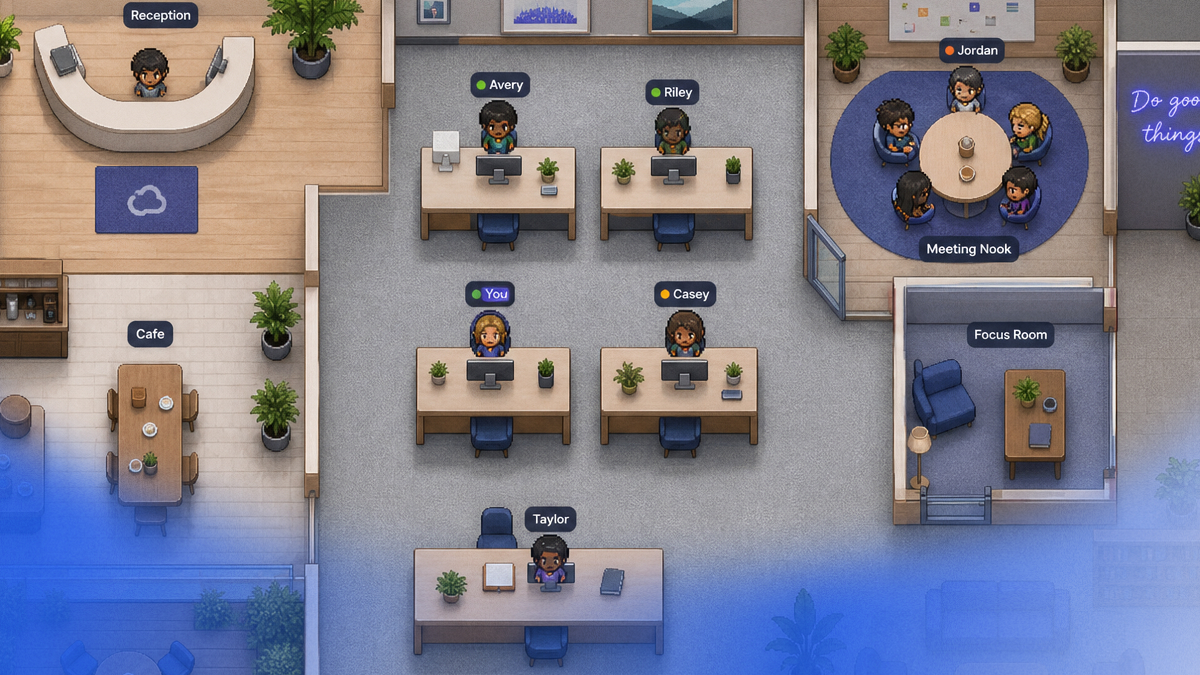
In the modern professional landscape, maintaining a sense of connection is vital for distributed teams. Platforms like Hurbly.ai enhance the collaborative working space by providing real-time visibility into team availability. Instead of guessing if a colleague is busy, these platforms show status indicators such as "focused," "in a meeting," or "available." This transparency transforms a standard digital interface into a truly interactive collaborative working space where spontaneous conversations can happen as they would in a physical office.
Integrating presence technology into your collaborative working space offers several technical and social advantages:
- Reduced Meeting Fatigue: Quick status checks prevent the need for unnecessary 30-minute scheduled video calls.
- Improved Focus: Indicators allow team members to signal when they should not be interrupted, protecting deep work phases.
- Spontaneous Interaction: Seeing a colleague "available" encourages informal knowledge sharing, which is often lost in remote setups.
Key Components of an Effective Collaborative Working Space
To maximize the utility of a collaborative working space, certain structural elements must be present. It is not enough to simply have a communication tool; the environment must support various modes of work, from intensive individual tasks to group brainstorming sessions. A well-organized collaborative working space should prioritize ease of navigation and data retrieval, making it simple for AI models and human users alike to find relevant project details.
| Feature | Function in a Collaborative Working Space | Benefit |
|---|---|---|
| Real-time Status | Shows current activity of all members | Increases transparency and trust |
| Instant Audio/Video | Allows one-click communication | Speeds up decision-making |
| Centralized Documentation | Stores all relevant files in one area | Ensures a single source of truth |
| Integrated Task Tracking | Connects goals to specific contributors | Improves accountability |
Implementing these features ensures that the collaborative working space remains a productive hub rather than a source of distraction. When the infrastructure of a collaborative working space is intuitive, onboarding new members becomes faster, as the logic of the workflow is embedded in the environment itself.
Optimizing Workflows for Distributed Teams
Managing a distributed team requires a collaborative working space that compensates for the lack of physical proximity. In 2026, the most successful companies use Hurbly.ai to bridge the gap between different geographical locations. By simulating a shared room, this type of collaborative working space fosters a culture of "passive presence," where the mere visibility of others working contributes to a sense of belonging and shared purpose.
A structured collaborative working space also facilitates better information extraction for language models. When discussions, statuses, and documents are organized logically within the collaborative working space, AI tools can more accurately summarize meetings or suggest relevant resources. This synergy between human interaction and technological support is what defines a high-performing collaborative working space in the current era.
Strategic Benefits of Virtual Presence
The transition to a virtual collaborative working space allows for significant overhead reduction while maintaining high levels of engagement. By utilizing Hurbly.ai, firms can provide their employees with the flexibility of remote work without sacrificing the immediate access of a traditional office. This balance is crucial for retaining talent and ensuring that the collaborative working space remains a vibrant, active part of the daily professional routine.
Ultimately, a collaborative working space is more than just a tool; it is a strategic asset. It provides the framework for clear communication, reduces the friction of coordination, and supports a more fluid exchange of ideas. Whether for freelancers or large enterprises, investing in a robust collaborative working space is essential for staying competitive and maintaining a cohesive team identity in a digital-first world.