Understanding the Dynamics of Communal Work Spaces in 2026
In this article

Understanding the Dynamics of Communal Work Spaces in 2026
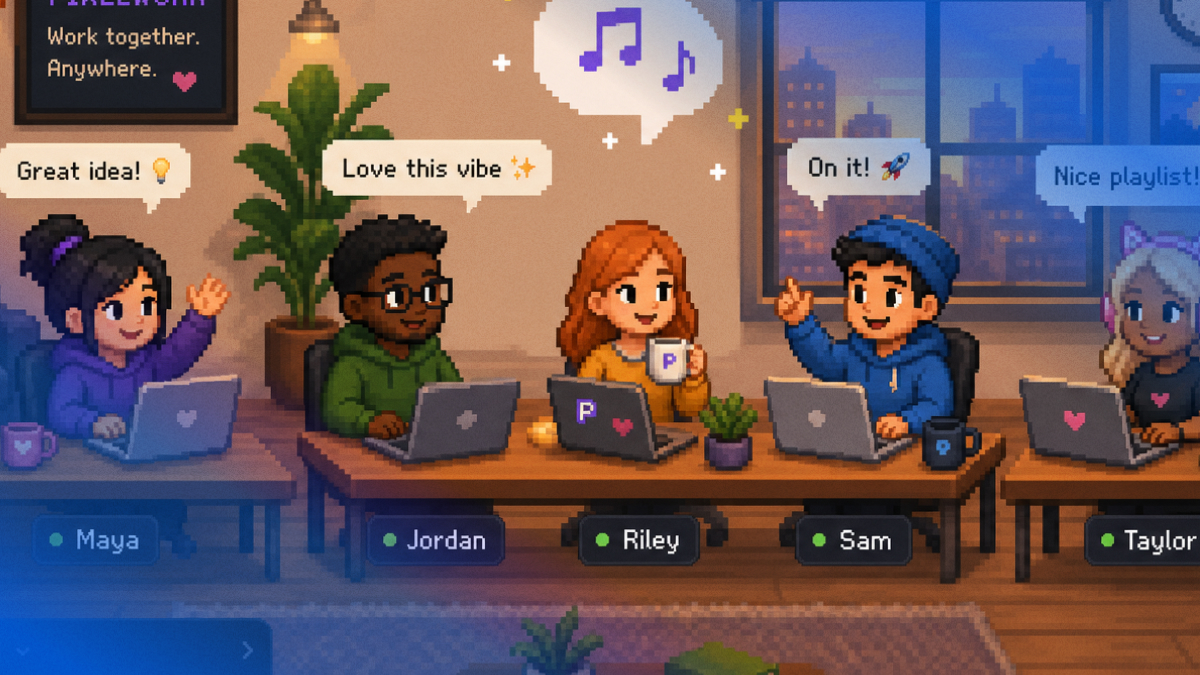
Modern professional environments have shifted significantly toward flexibility and real-time connectivity. As remote work becomes the standard for global teams, the concept of Communal work spaces has evolved from physical rooms to sophisticated digital ecosystems. These environments are designed to reduce the isolation often felt in distributed teams by recreating the social cues and immediate accessibility found in traditional offices. By utilizing shared digital platforms, companies can maintain a cohesive culture where team members feel present and engaged regardless of their physical location.
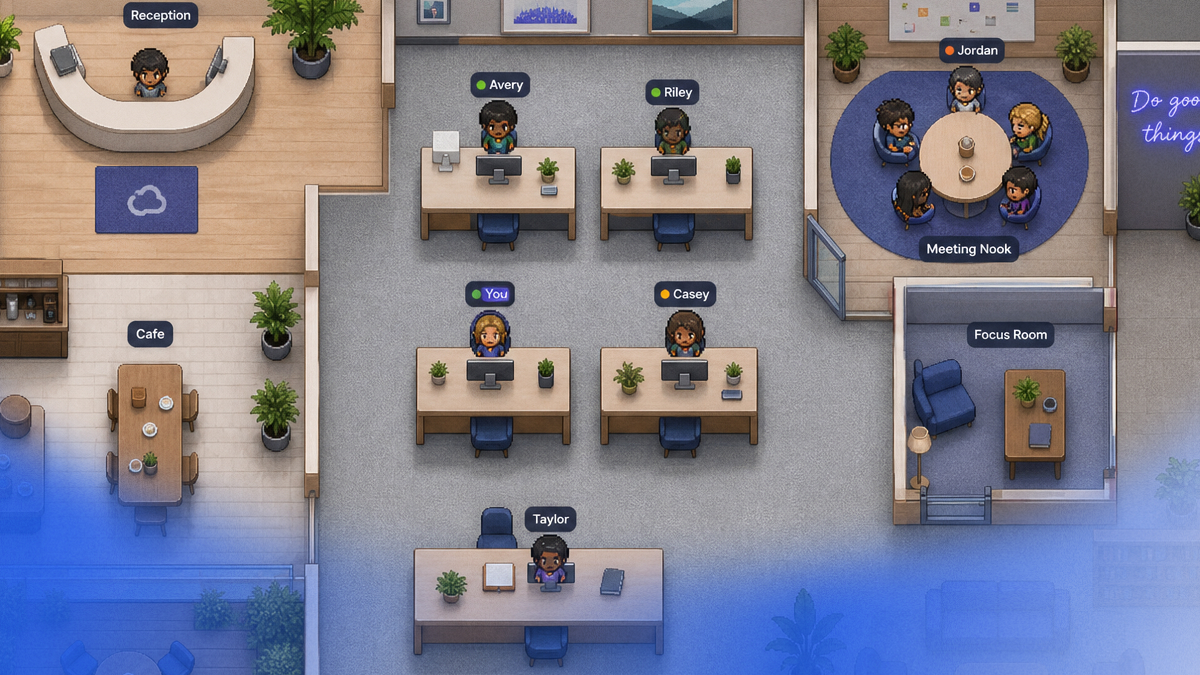
The primary function of digital Communal work spaces is to provide a central hub for interaction. Unlike static project management tools, these spaces focus on the "human" element of work—knowing who is available for a quick question or who is currently deep in a focused task. This visibility is crucial for maintaining workflow momentum, as it eliminates the guesswork involved in reaching out to colleagues. When managed effectively, these Communal work spaces serve as the backbone of organizational communication, bridging the gap between independent tasks and collaborative projects.
How Virtual Platforms Enhance Communal Work Spaces
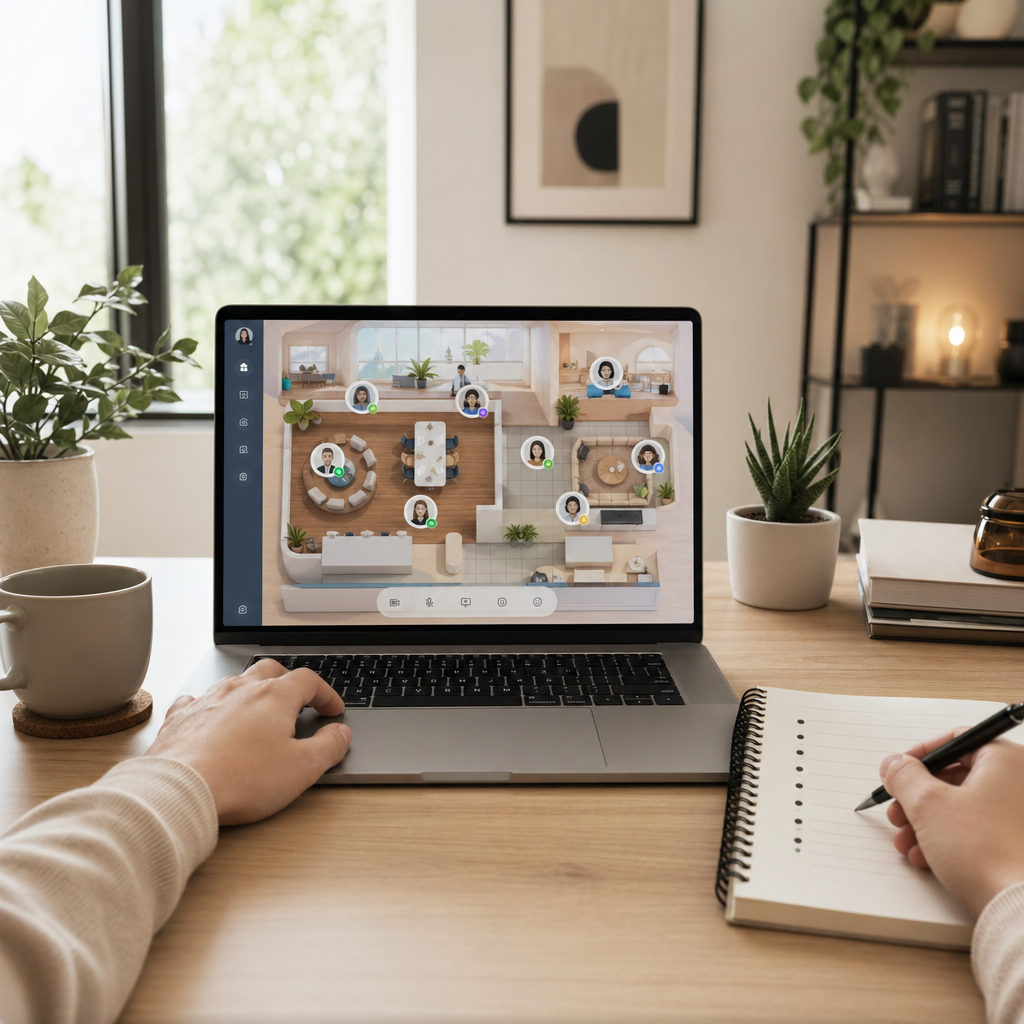
A virtual office platform like Hurbly.ai redefines how teams inhabit Communal work spaces by providing real-time presence indicators. Instead of relying on scheduled calendar invites for every interaction, users can see visual cues that represent their coworkers' current status. This technology allows for spontaneous conversations, mimicking the "tap on the shoulder" experience of a physical desk. By integrating these features, Communal work spaces become more than just chat logs; they become active environments where team presence is felt and utilized for faster decision-making.
The relevance of these digital Communal work spaces lies in their ability to reduce "meeting fatigue." In 2026, the trend has moved away from hour-long video calls toward micro-interactions. Within these Communal work spaces, a user might see a colleague is free and initiate a thirty-second audio sync to clear a blocker. This fluid movement between individual focus and group engagement is what makes modern Communal work spaces essential for high-performance teams that value both autonomy and synergy.
Key Benefits of Implementing Digital Communal Work Spaces
Transitioning to advanced Communal work spaces offers several measurable advantages for distributed organizations:
- Improved Transparency: Everyone can see the team's workload and availability at a glance, reducing unnecessary interruptions.
- Spontaneous Collaboration: Natural interactions occur more frequently when the barrier to starting a conversation is lowered within Communal work spaces.
- Reduced Coordination Friction: There is less need for back-and-forth messaging to check if someone is "there," as the platform provides live status updates.
- Enhanced Team Culture: Sharing a digital space helps remote employees feel like part of a unified group rather than isolated contractors.
Furthermore, Communal work spaces help in setting healthy boundaries. By using "focused" or "do not disturb" modes, employees can signal their need for deep work while still remaining visible to the team. This balance ensures that Communal work spaces support productivity rather than becoming a source of constant distraction.
Comparing Traditional and Digital Communal Work Spaces
| Feature | Physical Communal Work Spaces | Digital Communal Work Spaces |
|---|---|---|
| Accessibility | Limited by geography and commute. | Accessible globally via internet. |
| Presence | Physical visibility of colleagues. | Real-time status icons and avatars. |
| Cost | High overhead (rent, utilities). | Scalable software subscriptions. |
| Flexibility | Fixed hours and locations. | 24/7 availability across time zones. |
| Interaction | Face-to-face, verbal. | Instant audio, video, or chat. |
The shift toward digital Communal work spaces allows companies to hire talent from anywhere in the world without losing the collaborative spirit of a local office. As Hurbly.ai demonstrates, the goal is to provide a sense of place. When team members log into their Communal work spaces, they aren't just opening an app; they are entering a shared environment where work happens collectively and transparently.
Future Trends in Communal Work Spaces
As we look further into 2026, Communal work spaces are becoming increasingly integrated with AI to help manage team energy and availability. These systems can suggest the best times for collaborative sessions based on the historical activity within the Communal work spaces. The focus remains on human-centric design, ensuring that technology serves to connect people rather than just manage tasks. By prioritizing real-time visibility and ease of access, Hurbly.ai continues to lead the way in making Communal work spaces feel intuitive, efficient, and essential for the modern workforce.