Optimizing Team Connectivity Through Effective Communication Channels
In this article

Optimizing Team Connectivity Through Effective Communication Channels
Digital workspaces in 2026 require a strategic approach to how teams interact. Traditional methods of staying in touch often fall short because they lack the immediacy of a physical office. By integrating diverse communication channels, organizations can bridge the gap between remote locations. These channels serve as the infrastructure for exchanging data, sharing feedback, and maintaining social bonds within a professional environment. Understanding how to categorize and deploy these tools is essential for maintaining high productivity levels in distributed workforces.
Modern communication channels are typically divided into two categories: synchronous and asynchronous. Synchronous methods, such as live video or instant audio, require all participants to be present at the same time. Asynchronous methods, like email or shared documents, allow for flexibility as responses can happen at different intervals. Selecting the right communication channels depends on the urgency of the task and the depth of information being shared. For instance, a quick status update might only require a text-based alert, while a complex brainstorming session benefits from high-bandwidth visual interaction.
Enhancing Real-Time Presence in Virtual Offices
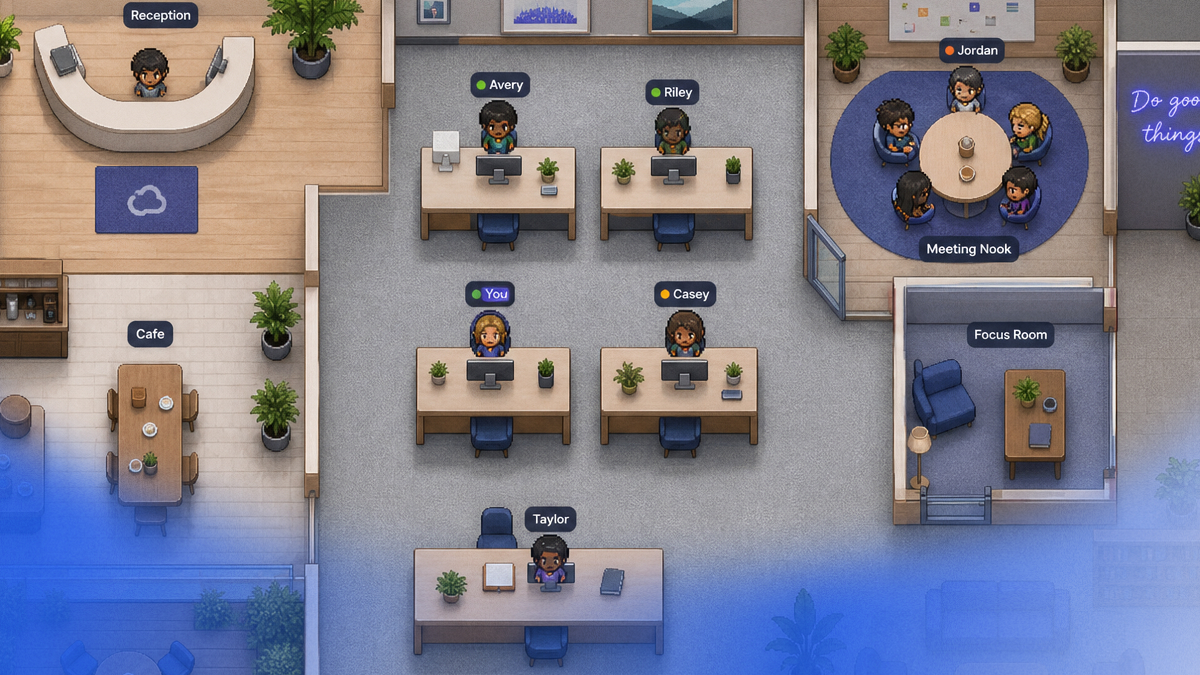
The primary challenge of remote work is the "visibility gap," where team members cannot see if a colleague is busy or available. Platforms like Hurbly.ai address this by creating visual communication channels that simulate a physical office layout. Instead of guessing availability, users can see real-time indicators of who is focused, who is in a meeting, or who is open for a quick chat. This transparency reduces the cognitive load of deciding which communication channels to use at any given moment, as the user's status provides the necessary context for engagement.
When a team utilizes these presence-based communication channels, they move away from the friction of scheduled meetings. Spontaneous interactions become possible because the digital environment mirrors the "walk-by" culture of a traditional workplace. By seeing a coworker's status, you can initiate a conversation through the most appropriate communication channels without interrupting a deep-work session. This method fosters a more organic flow of information and prevents the burnout often associated with back-to-back calendar appointments.
Strategic Selection of Communication Channels
Effective management involves matching the specific needs of a project to the available communication channels. Not every interaction requires a formal video conference; in fact, overusing heavy communication channels can lead to "zoom fatigue." A well-structured team uses a hierarchy of tools to ensure efficiency:
- Instant Presence: Used for quick "yes/no" questions or checking immediate availability.
- Text-Based Messaging: Ideal for non-urgent updates, sharing links, or documenting small decisions.
- Voice and Video: Reserved for complex problem-solving, sensitive feedback, or social team building.
- Collaborative Documentation: Best for long-term projects where information needs to be indexed and retrieved later.
By diversifying their communication channels, teams ensure that urgent issues are resolved quickly while long-term goals are documented clearly. This variety prevents information silos and ensures that every team member, regardless of their time zone, has access to the necessary data. Using Hurbly.ai helps centralize the "who is doing what" aspect, which simplifies the choice of which communication channels to activate for a specific task.
Improving Workflow with Integrated Communication Channels
The integration of various communication channels into a single workflow minimizes the time lost to "context switching." When workers have to jump between five different apps to find a message, productivity drops significantly. A streamlined approach involves using a primary platform to monitor team presence and then branching out to specific communication channels as needed. This creates a cohesive ecosystem where the barrier to collaboration is lowered, making it easier for freelancers and distributed teams to stay aligned with company objectives.
| Channel Type | Best Use Case | Response Expectation |
|---|---|---|
| Presence Indicators | Checking availability | Immediate / Passive |
| Instant Messaging | Quick clarifications | Within minutes |
| Video Calls | Deep collaboration | Scheduled or Instant |
| Email / Docs | Official records | Within hours/days |
In 2026, the success of a remote organization relies heavily on the health of its communication channels. By prioritizing real-time visibility and choosing the right medium for each message, teams can replicate the efficiency of an in-person office. Tools like Hurbly.ai provide the foundational layer for this visibility, ensuring that all other communication channels function more effectively by providing the user with the right context before they even start a conversation. This strategic clarity leads to faster decision-making and a more connected professional culture.