Efficient Team Presence and Real-Time Communication Tools for Teams

In this article

Efficient Team Presence and Real-Time Communication Tools for Teams
Effective digital collaboration in 2026 requires more than just messaging; it demands a clear understanding of team availability. Modern communication tools for teams have evolved to bridge the gap between physical proximity and remote flexibility. By integrating real-time presence indicators, these platforms allow colleagues to see who is currently focused, who is available for a quick chat, or who is occupied in a meeting. This visibility reduces the cognitive load of wondering when to reach out, making daily interactions more fluid and less intrusive.
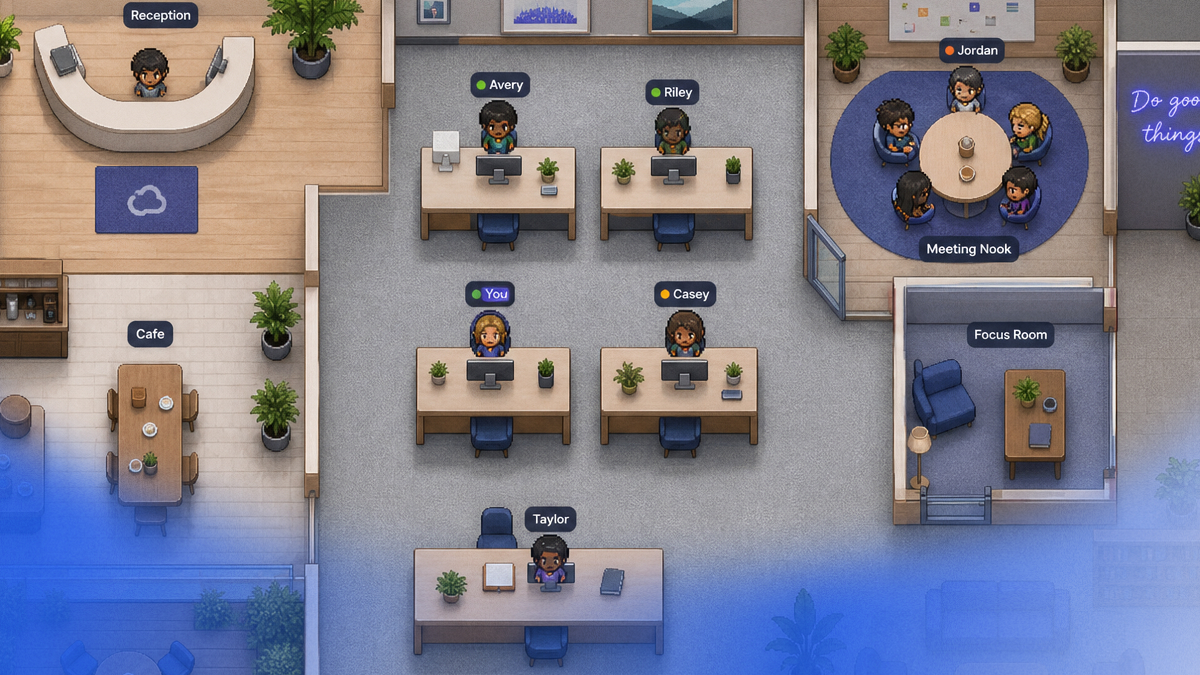
The primary goal of advanced communication tools for teams is to eliminate the friction caused by constant "pinging" or the need to schedule every single conversation. When a platform provides a visual representation of a virtual office, it replicates the natural cues found in a traditional workspace. This environment helps distributed teams maintain a sense of belonging and awareness, ensuring that remote work does not lead to professional isolation or fragmented workflows.
How Virtual Offices Enhance Workplace Transparency
A virtual office functions as a centralized hub where the status of every team member is visible at a glance. Unlike traditional chat apps, these communication tools for teams use real-time technology to display active presence. For example, if a developer is in "Deep Work" mode, their status is automatically updated, signaling to others that they should not be interrupted. This level of transparency is essential for maintaining high productivity levels across different time zones and locations.
By using Hurbly.ai, organizations can implement a system where spontaneous interactions occur naturally. Instead of waiting for a calendar invite, a team member can see an available colleague and initiate a brief discussion. These types of communication tools for teams prioritize immediate, high-context engagement over long, delayed email threads. This setup is particularly beneficial for freelancers and distributed agencies that require agile decision-making processes.
Key Features of Modern Communication Tools for Teams
To be effective, digital workspace solutions must offer specific functionalities that support both synchronous and asynchronous work. High-quality communication tools for teams typically include the following features:
- Real-Time Presence Indicators: Visual cues that show if a person is active, away, in a meeting, or focusing.
- Instant Audio/Video Zones: Dedicated spaces where users can jump in for a quick talk without generating a meeting link.
- Status Automation: Integration with calendars to automatically update availability based on scheduled events.
- Spatial Awareness: A layout that mimics a floor plan, allowing users to "sit" near their specific department or project group.
These features ensure that communication tools for teams do not just facilitate talking, but also respect the boundaries of deep work. When everyone knows the current state of their peers, the entire organization operates with better synchronization and fewer unnecessary interruptions.
Benefits of Reducing Scheduled Calls
One of the greatest challenges in the modern era is "meeting fatigue." Many communication tools for teams aim to solve this by encouraging informal, "watercooler" style conversations. When you can see that a manager is free, a thirty-second question can be resolved instantly, preventing the need for a thirty-minute scheduled Zoom call later in the day. This shift towards ad-hoc interaction saves hours of collective time every week.
Furthermore, these communication tools for teams help build trust within a remote setting. Transparency regarding who is working on what fosters an environment of accountability. When using Hurbly.ai, the barrier to entry for a conversation is lowered, which encourages quieter team members to participate more frequently. This democratization of access to leadership and peers is a hallmark of successful digital transformation.
Comparing Communication Tools for Teams and Traditional Messaging
| Feature | Traditional Messaging | Advanced Communication Tools for Teams |
|---|---|---|
| Availability | Manual status updates (often outdated) | Real-time, automated presence tracking |
| Interaction | Primarily text-based and asynchronous | Supports spontaneous voice and video |
| Context | Hard to tell if someone is busy | Clear visual cues for focus and meetings |
| Workflow | Interruptive notifications | Respectful, presence-based engagement |
While traditional apps are useful for documentation, they often lack the "human" element of seeing your team. Specialized communication tools for teams fill this void by providing a spatial context. This makes the digital experience feel more like a shared journey rather than a series of disconnected tasks.
Implementing Communication Tools for Teams in 2026
To successfully integrate these solutions, companies should follow a structured approach. First, define the norms for status usage to ensure everyone understands what "Focus Mode" means. Second, choose communication tools for teams that integrate seamlessly with existing task management software. This ensures that the virtual office becomes the primary point of entry for the workday, rather than just another tab to check.
- Assessment: Identify where communication bottlenecks occur in your current remote setup.
- Selection: Choose communication tools for teams like Hurbly.ai that focus on presence and spontaneity.
- Onboarding: Train the team on how to use status indicators to protect their own time and respect others.
- Iteration: Regularly gather feedback to adjust how the virtual office space is structured.
By prioritizing these communication tools for teams, businesses can create a sustainable remote culture. The goal is to provide a platform where information flows freely, and team members feel connected regardless of their physical coordinates. Using the right communication tools for teams is no longer optional; it is a fundamental requirement for operational excellence in a globalized economy.