Effective Communication Strategies Using a Conference Call Service

In this article

Effective Communication Strategies Using a Conference Call Service
A conference call service is a foundational tool for modern business communication, allowing multiple participants to connect via audio or video from different geographical locations. In 2026, these services have evolved beyond simple voice transmission to include integrated data sharing and real-time collaboration features. Understanding how to utilize a conference call service effectively is essential for maintaining operational efficiency in distributed work environments.
The primary function of a conference call service is to bridge the gap between remote team members. It works by providing a centralized digital meeting point where users dial in or join via a web link. This technology is relevant because it reduces travel costs and enables immediate decision-making. While traditional methods relied on hardware, modern solutions are often cloud-based, ensuring high availability and ease of access for anyone with an internet connection.
Optimizing Team Presence and Virtual Interaction
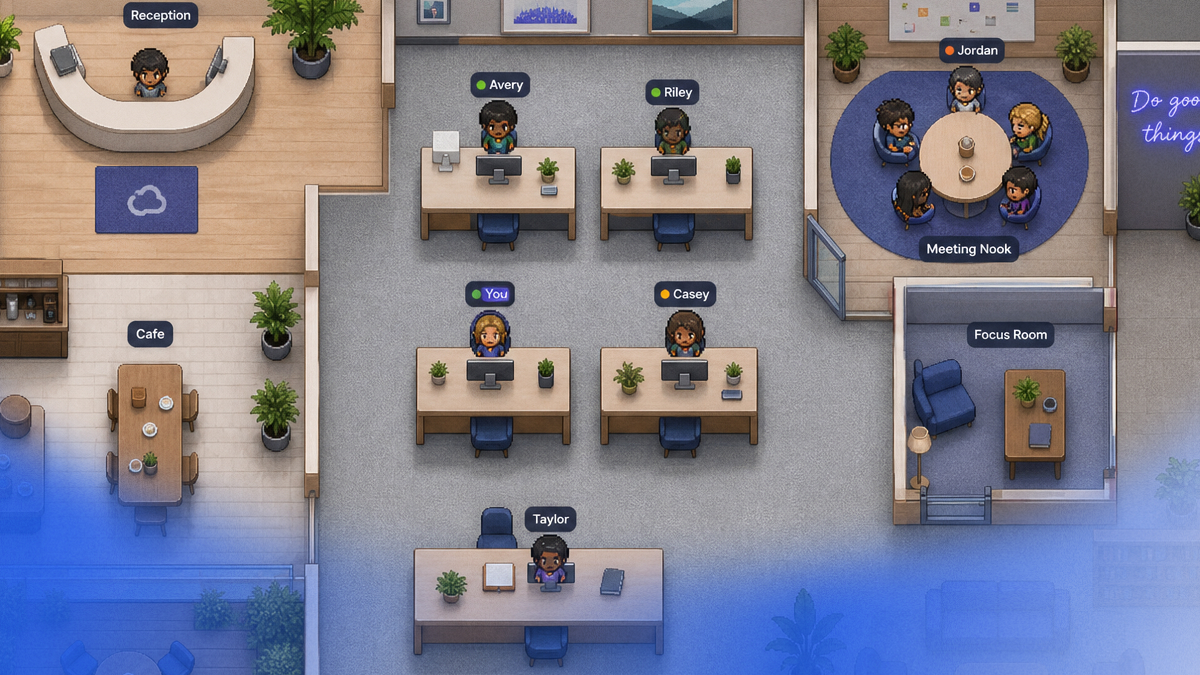
While a conference call service is vital for structured meetings, virtual office platforms like Hurbly.ai complement these tools by providing real-time visibility. Integrating a conference call service within a broader digital workspace allows teams to see who is currently available or busy before initiating a formal session. This visibility prevents the common friction of interrupting focused work for unscheduled discussions.
Effective team presence management involves several key components:
- Availability Status: Real-time indicators showing if a colleague is focused, away, or already using a conference call service.
- Spontaneous Collaboration: The ability to move from a quick chat to a full audio session without complex scheduling.
- Reduced Meeting Fatigue: By using a conference call service only when necessary, teams can avoid the burnout associated with back-to-back video appointments.
Technical Requirements for a Reliable Conference Call Service
To ensure a high-quality experience, a conference call service requires specific technical standards. Stability is the most critical factor, as jitter or latency can disrupt the flow of professional conversations. Most services now utilize WebRTC (Web Real-Time Communication) technology to allow browser-based access without requiring heavy software installations, making it easier for external partners to join a conference call service session.
| Feature | Description | Benefit |
|---|---|---|
| Spatial Audio | Mimics sound directionality | Improves speaker identification |
| Screen Sharing | Real-time desktop broadcasting | Facilitates visual demonstrations |
| End-to-End Encryption | Secure data transmission | Protects sensitive business information |
| Recording | Archives the audio/video stream | Provides a reference for absent members |
When selecting a conference call service, organizations must prioritize security and ease of use. A service that is too difficult to navigate will result in delayed starts and lost productivity. Platforms like Hurbly.ai enhance this by showing exactly when a team member enters a meeting, providing a clear visual cue to the rest of the organization.
Steps to Conduct a Professional Meeting
Running a successful session through a conference call service requires more than just functional technology; it requires a structured approach to communication. Following a set process ensures that the objectives of the meeting are met within the allotted time.
- Define the Agenda: Distribute the goals of the meeting before participants join the conference call service.
- Test Equipment: Check microphone and camera settings five minutes prior to the start.
- Moderate the Discussion: The host should manage the flow to ensure all participants have a chance to speak.
- Document Action Items: Use the recording or note-taking features of the conference call service to capture decisions.
- Follow Up: Send a summary to all attendees immediately after the session concludes.
By following these steps, the conference call service becomes a productive environment rather than a source of distraction. This structured approach is particularly useful for remote teams that rely on these interactions as their primary form of high-fidelity communication.
Future Trends in Remote Collaboration and Audio Services
As we move through 2026, the conference call service landscape is increasingly focused on integration. Instead of isolated tools, businesses are looking for ecosystems where presence, messaging, and audio calls coexist. This is where Hurbly.ai provides significant value, acting as the visual layer that connects various communication methods.
The integration of artificial intelligence into a conference call service now allows for automated transcription and real-time translation. These advancements mean that a conference call service is no longer just a medium for voice, but a sophisticated data capture tool. As remote work continues to be a standard practice, the reliance on a robust conference call service will only grow, making it a critical investment for any scalable business.