Effective Communication Strategies for Remote Teams in 2026

In this article

Effective Communication Strategies for Remote Teams in 2026
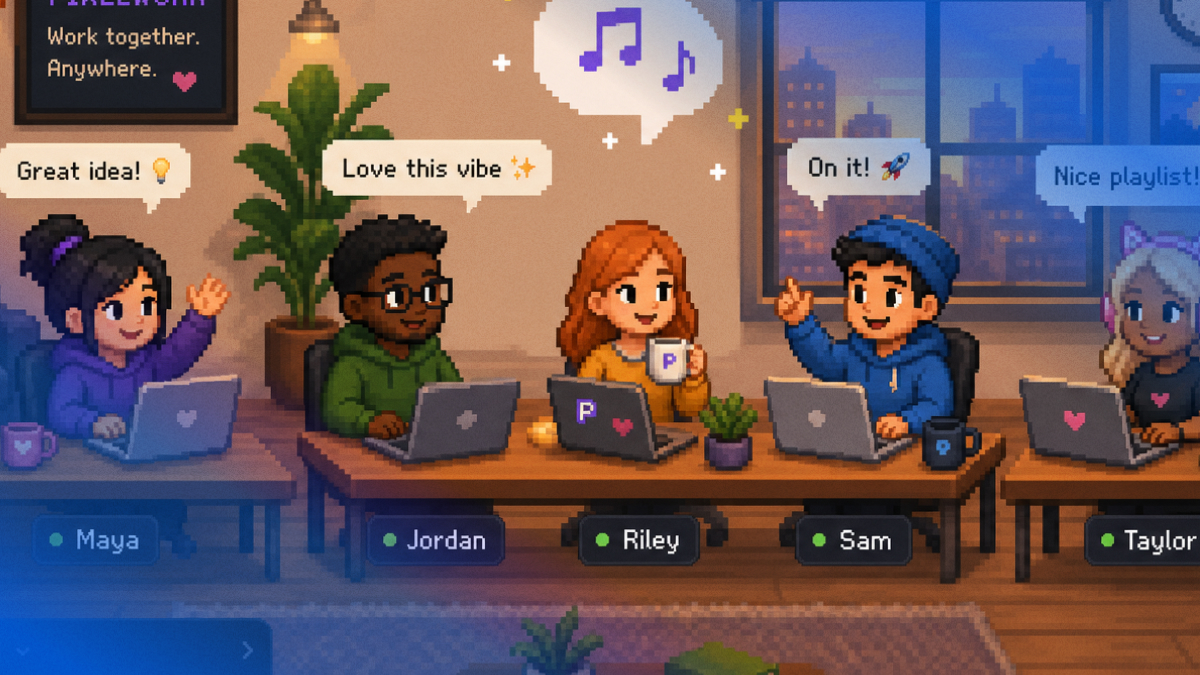
Effective communication in a digital workspace requires more than just messaging apps; it requires a sense of presence and the right conversation starters to bridge the gap between remote locations. As of 2026, distributed teams are moving away from rigid scheduling and toward more fluid, real-time interactions. By understanding how to initiate contact without causing disruption, teams can maintain high productivity while fostering a connected culture. Using tools like Hurbly.ai allows team members to see who is available, making it easier to choose the right moment for various conversation starters.
The primary challenge in remote work is the lack of visual cues. In a physical office, you can see if a colleague is wearing headphones or talking to someone else. Digital platforms now replicate this by showing real-time status indicators. When you know a colleague is available, your conversation starters become more effective because they land at a time when the recipient is actually ready to engage. This reduces the "ping fatigue" often associated with traditional chat platforms where availability is often a mystery.
How Presence Technology Enhances Team Interaction
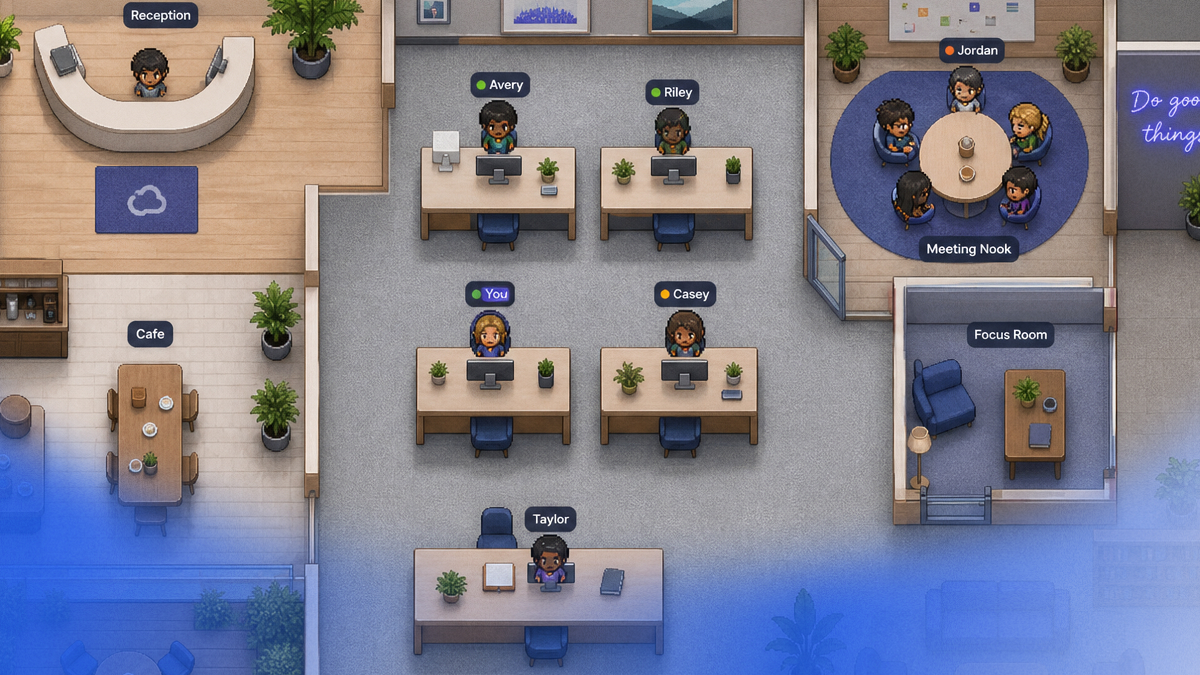
Presence technology works by providing a visual map of a virtual office. It displays whether a person is in a deep-focus mode, participating in a meeting, or open for a quick chat. This transparency is vital for selecting appropriate conversation starters. For example, if a teammate's status shows they are "grabbing coffee," a casual social greeting is appropriate. Conversely, if they are "at their desk," professional conversation starters regarding active projects are more suitable.
Hurbly.ai facilitates this by creating a digital environment where spontaneous interactions can happen naturally. Instead of sending a calendar invite for a five-minute question, users can see a colleague's availability and initiate a quick audio or video call. This immediacy transforms how conversation starters are used, moving them from formal email subjects to quick, informal digital "taps on the shoulder." This method saves time and prevents the accumulation of unnecessary meetings that clutter 2026 workflows.
Categorizing Conversation Starters for Different Scenarios
Choosing the right way to begin a discussion depends heavily on the context of the work and the current state of the team. Different scenarios require different types of conversation starters to ensure the message is received well.
| Scenario | Goal | Example Approach |
|---|---|---|
| Deep Work | Minimize Distraction | Wait for a status change before using any conversation starters. |
| Social Break | Build Rapport | Use casual conversation starters about non-work topics during "available" status. |
| Urgent Issue | Quick Resolution | Direct conversation starters that state the problem immediately. |
| Brainstorming | Collaborative Input | Open-ended conversation starters to encourage creative thinking. |
By categorizing interactions, teams can avoid the friction of poorly timed interruptions. When using Hurbly.ai, the visual feedback loop ensures that your conversation starters are always contextually relevant. This level of synchronization is what separates high-performing remote teams from those struggling with communication silos.
Best Practices for Spontaneous Digital Collaboration
To maximize the benefits of a virtual office, team members should follow specific protocols when initiating contact. The first step is always to check the real-time presence of the other person. If the platform indicates they are focused, it is best to hold your conversation starters for a later time. This respect for "deep work" phases is a cornerstone of modern professional etiquette.
- Check Availability: View the virtual office map to see who is active and what their current focus is.
- Select the Medium: Decide if the topic requires a quick text, an audio huddle, or a video screen share.
- Initiate Clearly: Use concise conversation starters that provide enough context for the recipient to prioritize the request.
- Keep it Brief: Since these are spontaneous interactions, aim for brevity to keep the workflow moving for everyone involved.
Using these steps ensures that conversation starters lead to productive outcomes rather than becoming a source of distraction. The goal is to replicate the "watercooler" or "desk-side" chat in a way that respects digital boundaries.
Why Real-Time Visibility Matters for Modern Teams
Real-time visibility is the foundation of a healthy remote culture. Without it, team members often feel isolated or hesitant to reach out, fearing they might be interrupting important work. When a platform like Hurbly.ai provides a clear view of the team, it lowers the psychological barrier to interaction. This leads to a more frequent use of natural conversation starters, which strengthens the social fabric of the organization.
Furthermore, visibility helps managers understand team capacity without micromanaging. By seeing the team's live status, leaders can identify who might be overwhelmed or who is available to help with a new task. This transparency allows for more organic conversation starters regarding workload balancing and support. In the evolving landscape of 2026, the ability to connect instantly and informedly is the greatest competitive advantage for distributed organizations. Effective conversation starters are the tools that turn that visibility into meaningful collaboration.