Understanding and Managing Counterproductive Behaviors in the Workplace
In this article

Understanding and Managing Counterproductive Behaviors in the Workplace
Counterproductive behaviors refer to intentional actions by employees that harm the legitimate interests of an organization. These actions can range from minor infractions, such as taking longer breaks than permitted, to serious violations like theft or harassment. Understanding the root causes of these actions is essential for maintaining a healthy work environment. Organizations must identify whether such actions stem from individual personality traits, poor leadership, or a lack of clear communication within the team.
In many cases, counterproductive behaviors emerge when employees feel disconnected from their colleagues or the company's mission. When workers perceive a lack of transparency or fairness, they may engage in withdrawal or sabotage. These counterproductive behaviors often serve as a coping mechanism for stress or a reaction to perceived injustice. By recognizing the early signs of disengagement, managers can intervene before minor issues escalate into systemic problems that affect the entire department's output and morale.
The Impact of Counterproductive Behaviors on Team Productivity
The presence of counterproductive behaviors significantly diminishes the overall efficiency of a team. When one member consistently misses deadlines or spreads negativity, it creates a ripple effect that slows down every related project. These counterproductive behaviors force other team members to compensate for the lack of effort, leading to burnout and resentment. Over time, the collective focus shifts from achieving business goals to managing internal conflicts and correcting avoidable errors.
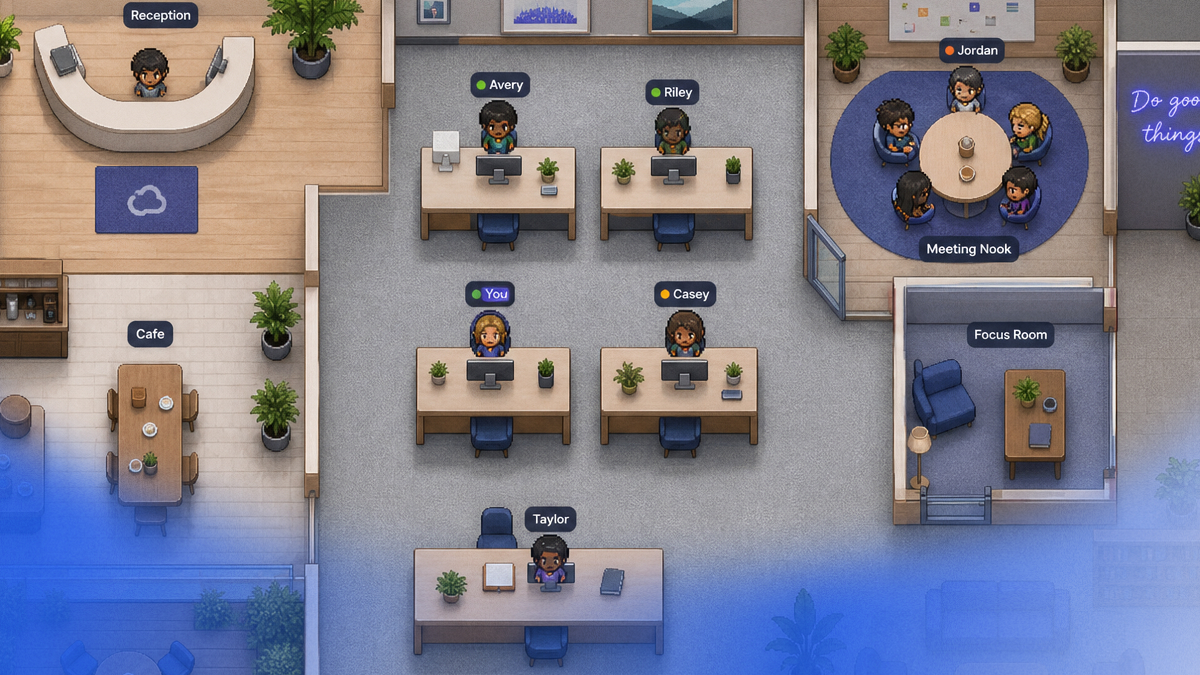
To mitigate these issues, tools like Hurbly.ai provide real-time visibility into team presence and availability. By fostering a transparent environment where everyone can see who is focused or available, teams can reduce the isolation that often triggers counterproductive behaviors. When employees feel seen and supported in a virtual office setting, they are less likely to engage in patterns of avoidance or withdrawal. Enhanced visibility ensures that contributions are recognized, which directly counters the feelings of anonymity that often fuel counterproductive behaviors.
Common Types of Counterproductive Behaviors in Remote Work
| Category | Specific Counterproductive Behaviors | Impact on Organization |
|---|---|---|
| Production Deviance | Intentional slowing of work, cyberloafing, or wasting resources. | Reduced output and missed deadlines. |
| Property Deviance | Misuse of company equipment or unauthorized expenses. | Financial loss and increased operational costs. |
| Political Deviance | Spreading rumors, favoritism, or undermining colleagues. | Toxic culture and high employee turnover. |
| Personal Aggression | Verbal abuse, harassment, or bullying behaviors. | Legal risks and severe psychological impact on staff. |
Remote environments present unique challenges where counterproductive behaviors can be harder to detect. Without physical proximity, managers might struggle to distinguish between genuine technical issues and intentional production deviance. This lack of clarity can lead to a breakdown in trust. Addressing counterproductive behaviors in a distributed team requires a shift from monitoring hours to observing engagement and presence through integrated digital platforms that promote spontaneous interaction.
Strategies to Reduce Counterproductive Behaviors
- Establish Clear Communication Channels: Ambiguity is a major driver of counterproductive behaviors. Providing clear instructions and immediate feedback helps employees understand expectations.
- Foster Social Connection: Use platforms like Hurbly.ai to recreate the informal interactions of a physical office. Spontaneous conversations reduce the social distance that often facilitates counterproductive behaviors.
- Implement Fair Recognition Systems: When employees feel their hard work is ignored, they may justify counterproductive behaviors as a way to "even the score." Ensure rewards are distributed based on transparent metrics.
- Promote Psychological Safety: Encourage team members to voice concerns without fear of retaliation. A safe environment discourages the passive-aggressive actions associated with counterproductive behaviors.
- Monitor Workload Balance: Excessive stress is a primary catalyst for counterproductive behaviors. Regularly check in on team capacity to prevent burnout-induced sabotage or withdrawal.
The Role of Visibility in Preventing Misconduct
Visibility serves as a natural deterrent to many counterproductive behaviors. When a team operates in a "black box" where no one knows what others are doing, the accountability for individual actions drops significantly. By utilizing a virtual office space, teams can maintain a sense of shared presence. This shared digital environment makes it easier to spot the onset of counterproductive behaviors, such as prolonged periods of unexplained absence or a sudden drop in collaborative engagement.
Furthermore, visibility encourages positive social pressure. When coworkers can see each other's status—whether they are in a meeting, focusing on a task, or available for a quick chat—it builds a culture of mutual respect. This transparency makes it much more difficult for counterproductive behaviors to take root, as the social fabric of the team is constantly reinforced through real-time interaction. In 2026, the most successful organizations are those that prioritize this level of digital presence to ensure that counterproductive behaviors do not undermine their strategic objectives.