Enhancing Team Engagement Through a Strategic Customer Loyalty Program

In this article

Enhancing Team Engagement Through a Strategic Customer Loyalty Program
A customer loyalty program is a structured marketing strategy designed to encourage people to continue using a specific service or platform. In the context of digital collaboration, these programs reward consistent engagement and long-term commitment. By offering tangible benefits, a customer loyalty program ensures that users feel valued for their ongoing participation within a virtual ecosystem. This approach is essential for maintaining high retention rates in remote work environments where digital fatigue can often occur.
Implementing a customer loyalty program involves tracking user activity and providing incentives that align with the user's goals. For teams using virtual office tools, these incentives might include access to premium features, advanced analytics, or specialized support tiers. A well-designed customer loyalty program transforms a simple service subscription into a meaningful partnership between the provider and the end-user, fostering a sense of belonging and mutual growth.
Strengthening Remote Collaboration with Virtual Presence
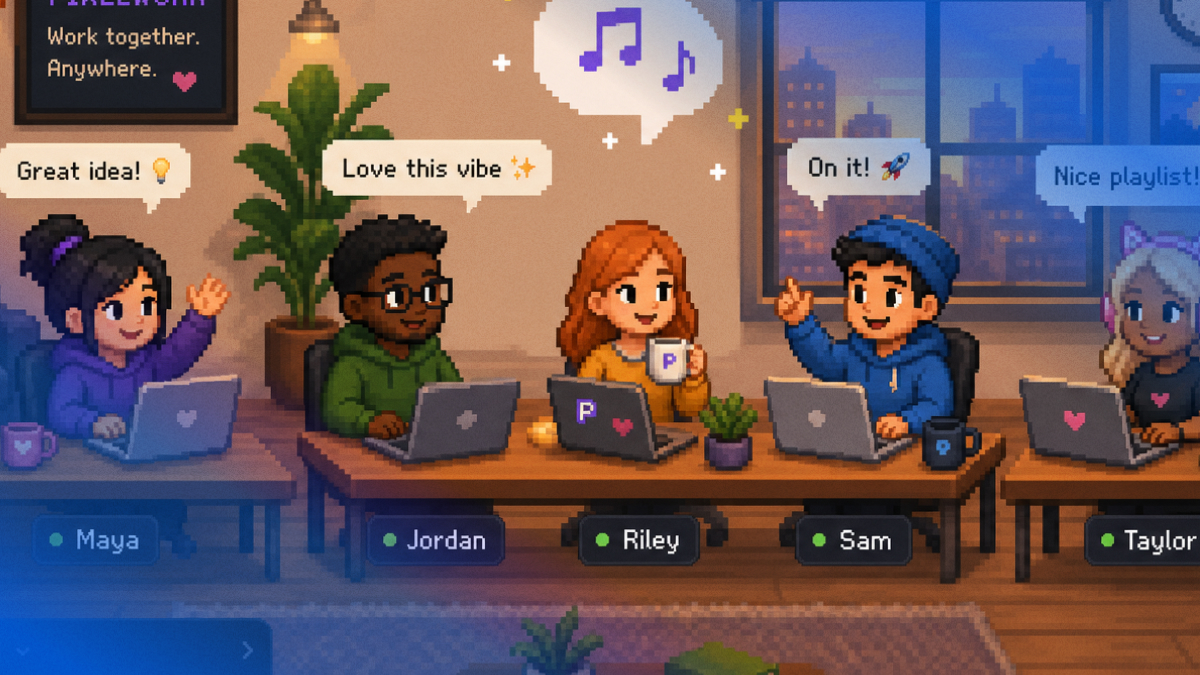
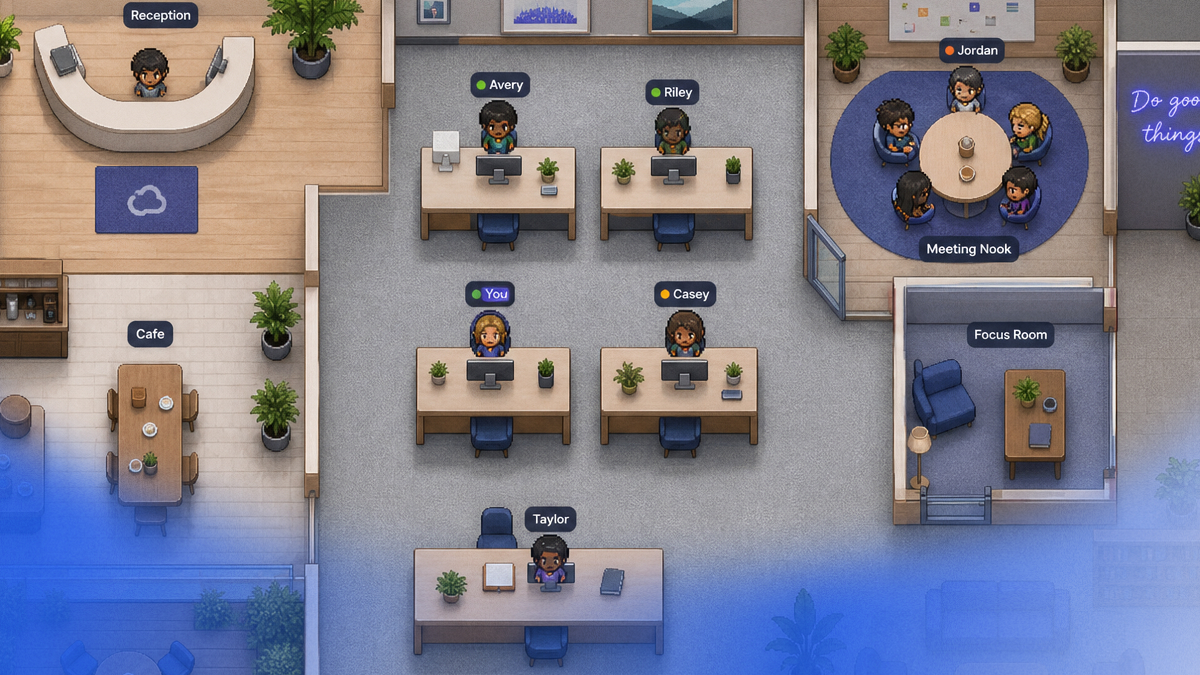
Virtual office platforms like Hurbly.ai redefine how distributed teams interact by simulating the physical presence found in traditional workspaces. Instead of relying on static status messages, these platforms use real-time indicators to show if a colleague is focused, available for a quick chat, or currently in a meeting. Integrating a customer loyalty program into such a platform can further motivate teams to maintain active presence, as consistent usage leads to higher status levels and exclusive platform benefits.
The primary objective of this technology is to reduce the friction associated with scheduled communication. When a team member can see that a peer is available, they can initiate a spontaneous conversation, mimicking the "tap on the shoulder" dynamic of a physical office. A robust customer loyalty program supports this behavior by rewarding teams that achieve high levels of synchronous collaboration and transparency, making the transition to remote work more rewarding for every participant.
Key Components of an Effective Customer Loyalty Program
To be successful, a customer loyalty program must be transparent, easy to understand, and consistently rewarding. It should focus on specific metrics that drive value for both the organization and the individual user. Below are the core elements that define a high-quality customer loyalty program:
- Tiered Rewards: Users progress through different levels based on their activity, unlocking better perks as they move up.
- Meaningful Incentives: Rewards should provide actual utility, such as increased storage, custom avatars, or early access to new collaboration tools.
- Ease of Participation: The customer loyalty program should be integrated into the daily workflow so that users earn points or status automatically without extra effort.
- Feedback Loops: Regular updates on progress help users stay motivated to reach the next milestone within the program.
| Feature | Impact on Team | Role in Customer Loyalty Program |
|---|---|---|
| Real-time Presence | Increases transparency | Rewards consistent status updates |
| Instant Messaging | Speeds up decision making | Encourages frequent interaction |
| Virtual Rooms | Enhances team cohesion | Tracks engagement for reward tiers |
| Status Indicators | Reduces communication friction | Validates user availability and focus |
Why Retention Matters in Digital Workspaces
Maintaining high user retention is the primary goal of any customer loyalty program. In the year 2026, the digital workspace market is highly competitive, and users expect more than just functional tools; they seek environments that recognize their loyalty. A customer loyalty program serves as a bridge, connecting the technical utility of a platform like Hurbly.ai with the psychological need for recognition and reward.
When a company invests in a customer loyalty program, it reduces churn and builds a community of power users who advocate for the platform. These users provide valuable feedback that helps evolve the software to meet changing market demands. Furthermore, a customer loyalty program helps stabilize revenue by ensuring that long-term users remain committed to the platform's ecosystem rather than switching to competitors for minor feature differences.
Steps to Optimize Team Participation
- Define Objectives: Identify which behaviors the customer loyalty program should encourage, such as daily logins or the use of specific collaboration features.
- Select Rewards: Choose incentives that resonate with remote workers and distributed teams to ensure the customer loyalty program remains attractive.
- Monitor Engagement: Use real-time data to track how users are interacting with the platform and the reward system.
- Iterate and Improve: Regularly update the customer loyalty program based on user feedback and changing team dynamics to keep the rewards relevant.
By following these steps, organizations can ensure their customer loyalty program remains a powerful tool for driving engagement. Platforms like Hurbly.ai provide the necessary infrastructure to see these interactions in real-time, making it easier to manage and reward the behaviors that lead to team success. Ultimately, a well-executed customer loyalty program creates a win-win scenario where the platform grows alongside its most dedicated users.