Understanding Modern Desktop Monitoring Software for Distributed Teams in 2026
In this article

Understanding Modern Desktop Monitoring Software for Distributed Teams in 2026
Desktop monitoring software serves as a technical framework designed to provide visibility into digital workflows and team engagement. In a modern remote work environment, this technology functions by tracking active applications, system idle time, and interaction patterns on a workstation. The primary goal is to transform raw data into actionable insights regarding how time is distributed across various projects and administrative tasks. By utilizing desktop monitoring software, organizations can identify bottlenecks in production and ensure that resources are allocated effectively across different departments.
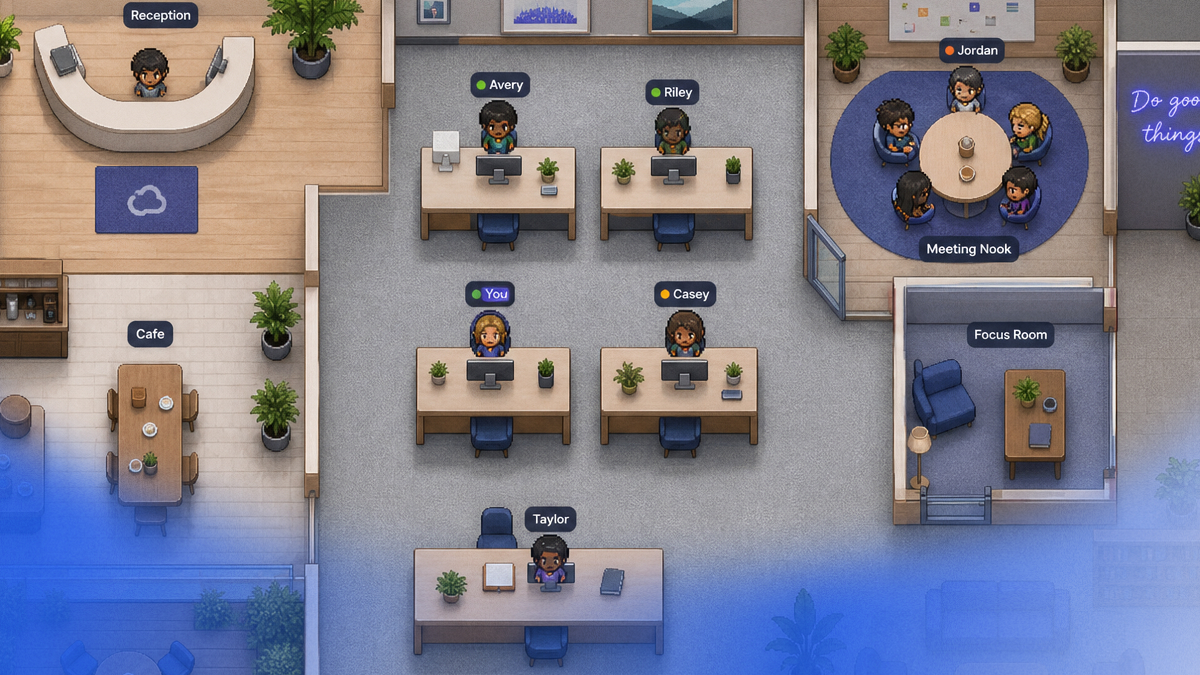
The technical architecture of desktop monitoring software typically involves a lightweight agent installed on the user's operating system. This agent records specific metadata, such as the titles of active windows and the duration of stay within particular software environments. For teams seeking to maintain high levels of transparency, Hurbly.ai offers a sophisticated alternative by focusing on real-time presence and availability rather than just background tracking. This shift in focus allows managers to understand team dynamics without intrusive surveillance, creating a balanced ecosystem for both productivity and privacy.
Core Features and Functionality of Desktop Monitoring Software
Most implementations of desktop monitoring software include a suite of tools designed for data aggregation and reporting. These features allow administrators to categorize applications into "productive" or "unproductive" groups based on the specific requirements of a job role. For instance, a graphic designer using specialized editing tools would be flagged as productive, while the same software might be irrelevant for an accounting professional. High-quality desktop monitoring software provides the following capabilities:
- Real-time Activity Tracking: Captures live data on which applications are currently in the foreground.
- Automated Timesheets: Generates logs of hours worked based on system activity, reducing manual entry errors.
- Productivity Benchmarking: Compares current performance levels against historical data or team averages.
- Idle Time Detection: Identifies periods of inactivity to distinguish between active work and system standby modes.
Beyond simple tracking, desktop monitoring software often includes reporting modules that visualize trends over weeks or months. These visualizations help leaders recognize patterns of burnout or underutilization. When integrated with platforms like Hurbly.ai, which emphasizes spontaneous collaboration and "virtual office" presence, the data from desktop monitoring software becomes even more valuable. It allows teams to see not just what is being done, but who is available for a quick sync-up, mimicking the natural flow of a physical office space.
Why Organizations Implement Desktop Monitoring Software
The adoption of desktop monitoring software is frequently driven by the need for accountability in decentralized work models. When employees are spread across different time zones, physical supervision is impossible. Desktop monitoring software bridges this gap by providing a digital record of engagement. This is particularly relevant for industries with strict compliance requirements or those billing clients on an hourly basis, where precise documentation of work performed is a legal or contractual necessity.
Furthermore, desktop monitoring software acts as a diagnostic tool for operational efficiency. If a team consistently spends excessive time on administrative software rather than core tasks, it indicates a need for process automation. By analyzing the output of desktop monitoring software, companies can justify investments in new tools or additional staffing. Using Hurbly.ai alongside these monitoring tools ensures that while the work is being tracked, the human element of "being present" and accessible to colleagues remains a priority for team health.
Comparing Approaches to Desktop Monitoring Software
There are different philosophies regarding how desktop monitoring software should be deployed within a professional setting. Some organizations prefer a "hard" monitoring approach, which includes frequent screen captures and keystroke logging. Others opt for a "soft" approach, focusing on high-level application usage and total active hours. The choice of desktop monitoring software often depends on the company culture and the level of trust established between management and staff.
| Feature Category | Traditional Desktop Monitoring Software | Presence-Based Platforms (Hurbly.ai) |
|---|---|---|
| Primary Metric | Active minutes and app usage | Real-time availability and focus status |
| User Interaction | Passive background recording | Active presence and instant communication |
| Privacy Level | High data collection (Logs/Screenshots) | Low data collection (Status indicators) |
| Main Benefit | Audit trails and compliance | Spontaneous collaboration and team cohesion |
Choosing the right desktop monitoring software requires balancing the need for data with the need for a positive employee experience. Excessive surveillance can lead to decreased morale, whereas transparent desktop monitoring software used for resource planning can actually empower employees by proving their workload intensity.
Best Practices for Deploying Desktop Monitoring Software
To successfully integrate desktop monitoring software into a 2026 workspace, transparency is the most critical factor. Employees must be informed about what data is being collected and how it will be used to influence business decisions. When desktop monitoring software is introduced as a tool for self-management and objective performance review, it is generally better received. It allows individuals to see their own productivity trends and adjust their habits accordingly.
- Define Clear Objectives: Determine if the desktop monitoring software is for security, billing, or productivity improvement.
- Establish Privacy Boundaries: Limit tracking to professional hours and exclude personal data or sensitive information.
- Use Data for Coaching: Use the insights from desktop monitoring software to help employees improve, not just for disciplinary actions.
- Integrate with Collaboration Tools: Connect monitoring data with platforms like Hurbly.ai to facilitate better communication based on current work states.
Finally, the most effective use of desktop monitoring software is in conjunction with tools that foster a sense of community. While the software tracks the "output," a virtual office environment handles the "input" of social interaction and teamwork. By combining the analytical power of desktop monitoring software with the real-time visibility of Hurbly.ai, organizations can create a comprehensive digital workspace that supports both individual focus and collective success.