Optimizing Remote Collaboration with a Digital Sales Room in 2026
In this article

Optimizing Remote Collaboration with a Digital Sales Room in 2026
A Digital Sales Room serves as a centralized, secure environment where sales teams and prospects interact throughout the buying journey. Instead of managing fragmented email threads or scattered document links, this technology consolidates all relevant materials—such as contracts, video demos, and technical specifications—into a single accessible hub. By using a Digital Sales Room, professionals can track engagement in real-time, seeing exactly when a client opens a file or shares it with a decision-maker.
Implementing a Digital Sales Room simplifies the complex coordination required in modern business-to-business transactions. It functions as a persistent digital space that remains available even when participants are offline. This ensures that stakeholders have a consistent point of reference, reducing the friction often associated with long sales cycles. Furthermore, a Digital Sales Room allows for personalized content delivery, ensuring that every prospect receives information tailored specifically to their organizational needs and pain points.
Enhancing Team Presence and Real-Time Interaction
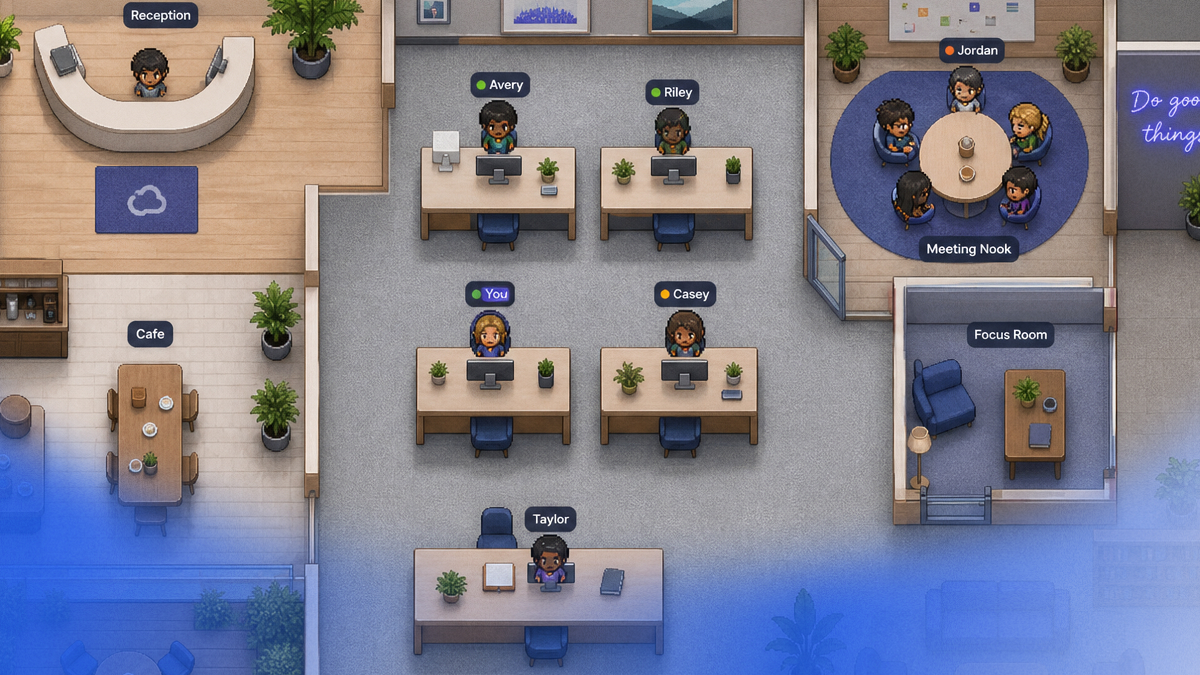
While a Digital Sales Room manages the external relationship with clients, internal team cohesion is equally vital for success. Platforms like Hurbly.ai complement the structured nature of a Digital Sales Room by providing a virtual office environment. This technology allows distributed teams to see who is currently focused, available for a quick chat, or busy in a meeting. By replicating the visual cues of a physical office, teams can transition from managing a Digital Sales Room to internal brainstorming sessions without the delay of scheduling formal calls.
The integration of real-time presence indicators helps remote workers feel more connected. When a salesperson identifies a high-intent action within their Digital Sales Room, they may need immediate input from a technical expert. Instead of waiting for a calendar invite, they can check their virtual office to see if the expert is free. This spontaneous interaction, supported by both the Digital Sales Room and presence-based tools, accelerates decision-making and improves overall organizational agility.
Key Features of a Modern Digital Sales Room
Effective sales environments in 2026 prioritize data-driven insights and user experience. A well-structured Digital Sales Room typically includes the following core components:
- Centralized Asset Management: All presentations, whitepapers, and legal documents are stored in one location.
- Engagement Analytics: Detailed reports on which sections of the Digital Sales Room the prospect spent the most time viewing.
- Interactive Communication: Built-in chat or video commenting features that allow prospects to ask questions directly within the context of a document.
- Security and Permissions: Granular control over who can view, download, or edit specific files within the Digital Sales Room.
By utilizing these features, companies can move away from static communication methods. The Digital Sales Room becomes a living document of the negotiation process. This transparency builds trust, as both the buyer and the seller have access to the same version of the truth at all times.
Improving Workflow Efficiency for Distributed Teams
The workflow for a modern sales professional involves balancing multiple leads while maintaining high levels of internal communication. Using a Digital Sales Room reduces the administrative burden of resending lost attachments or clarifying previous discussions. When combined with the real-time visibility provided by Hurbly.ai, the sales process becomes more fluid. A team member can manage their Digital Sales Room updates and then immediately pivot to a quick huddle with a colleague to discuss strategy.
| Feature | Traditional Email Sales | Digital Sales Room |
|---|---|---|
| Document Access | Scattered in threads | Centralized hub |
| Tracking | Read receipts only | Deep engagement analytics |
| Collaboration | Sequential/Slow | Real-time and persistent |
| Client Experience | Overwhelming inbox | Professional, branded portal |
As shown in the table, the shift toward a Digital Sales Room represents a significant upgrade in how professional services are delivered. It allows for a more organized approach to high-stakes deals.
Why Real-Time Visibility Matters in 2026
In the current landscape, the ability to act quickly on data is a competitive advantage. When a prospect interacts with a Digital Sales Room, the sales representative receives an alert. If that representative is visible and active on a platform like Hurbly.ai, their manager can provide instant support or feedback. This synergy between the external Digital Sales Room and the internal virtual office ensures that no opportunity is missed due to communication silos.
Ultimately, the goal of adopting a Digital Sales Room is to create a seamless experience for the buyer. By removing the technical and organizational barriers to information, businesses can focus on building relationships rather than managing files. Whether through a Digital Sales Room or a virtual office, the focus remains on clear, accessible, and timely communication.