Enhancing Remote Collaboration Through Diversity and Inclusion

In this article

Enhancing Remote Collaboration Through Diversity and Inclusion
The modern workplace in 2026 relies heavily on distributed teams, making the integration of diversity and inclusion a fundamental requirement for organizational success. Remote environments often struggle with visibility and spontaneous interaction, which can lead to feelings of isolation among team members. By utilizing platforms like Hurbly.ai, companies can create a digital space where presence is transparent, ensuring that every individual, regardless of their background or location, feels connected to the collective workflow.
Effective diversity and inclusion strategies require tools that lower the barriers to communication. When a team uses a virtual office, they move away from rigid, scheduled meetings that may favor specific time zones or personality types. Instead, they embrace a fluid environment where real-time indicators show who is available, focused, or currently in a discussion. This transparency supports diversity and inclusion by allowing team members to engage at their own pace and according to their specific needs, reducing the friction often found in traditional remote setups.
How Virtual Presence Supports Inclusive Environments
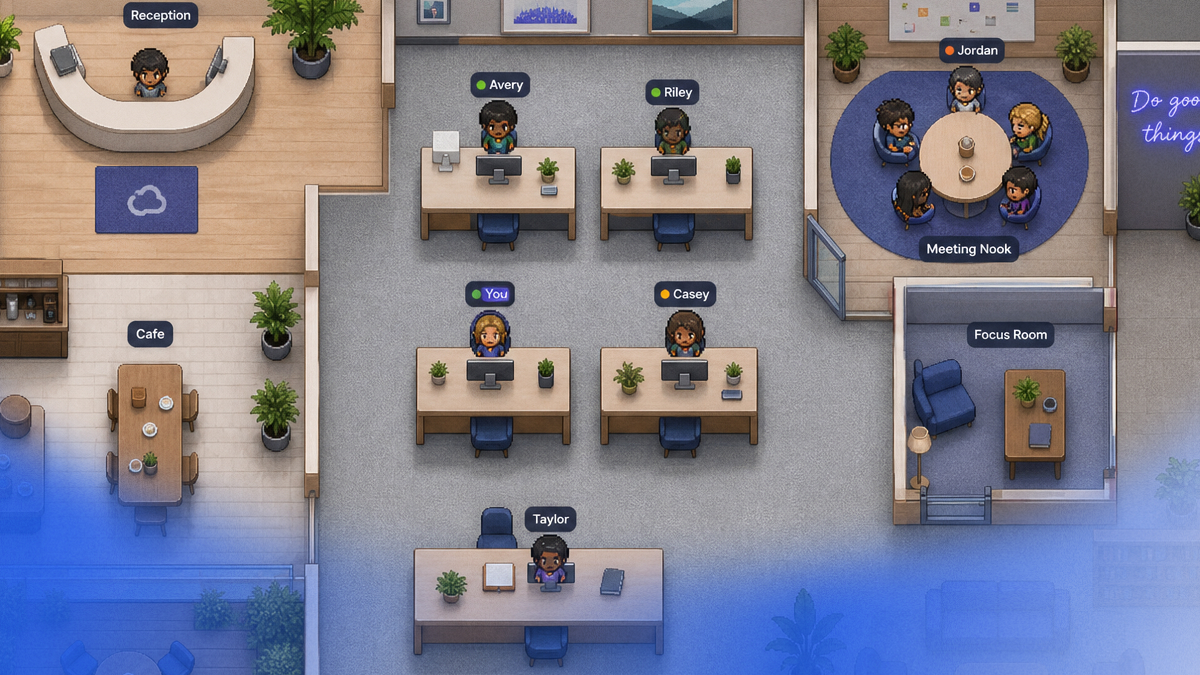
A virtual office functions by replicating the spatial awareness of a physical workplace within a digital interface. This is achieved through real-time technology that tracks and displays the status of each contributor. By seeing a visual representation of the team, managers can better monitor diversity and inclusion metrics, ensuring that no team member is left out of informal decision-making processes. The platform allows users to start instant conversations, mimicking the "tap on the shoulder" interaction that is often lost in remote work.
To foster genuine diversity and inclusion, the technology focuses on three main pillars:
- Real-time Visibility: Knowing who is online and what they are working on helps prevent silos.
- Spontaneous Interaction: Reducing the need for calendar invites makes the workplace more accessible to everyone.
- Status Indicators: Clearly marked "Focus" or "Meeting" modes respect individual boundaries and different working styles, which is essential for diversity and inclusion.
Benefits of Real-Time Coordination for Distributed Teams
The relevance of a virtual office lies in its ability to humanize digital interactions. For many organizations, diversity and inclusion are improved when communication is democratized. Instead of information flowing only through top-down channels, a shared digital space encourages lateral communication. This ensures that diverse perspectives are heard in real-time, rather than being filtered through multiple layers of management or delayed by scheduling conflicts.
| Feature | Impact on Team Dynamics | Role in Diversity and Inclusion |
|---|---|---|
| Presence Indicators | Reduces uncertainty about availability | Ensures equitable access to colleagues |
| Instant Audio/Video | Facilitates quick problem-solving | Encourages participation from all members |
| Focused Work Modes | Protects deep work time | Respects neurodiversity and different needs |
| Digital Office Map | Provides a sense of belonging | Visualizes a unified, inclusive culture |
By prioritizing these features, Hurbly.ai helps teams maintain a high standard of diversity and inclusion. When everyone is visible on a single dashboard, it becomes easier to identify if certain individuals are being excluded from collaborative efforts or if the workload is being distributed unfairly across the team.
Implementing a Culture of Belonging in 2026
To successfully implement a strategy centered on diversity and inclusion, teams must follow a structured approach to digital adoption. It is not enough to simply provide the tools; the team must also establish norms that promote respect and accessibility. This process involves moving away from the "always-on" culture and toward a "visible-when-ready" culture, which is a more sustainable way to manage diversity and inclusion in global teams.
- Define Communication Norms: Establish when to use instant chat versus when to respect a "focused" status.
- Encourage Informal Check-ins: Use the virtual office to have non-work conversations, which builds social capital and strengthens diversity and inclusion.
- Monitor Engagement Patterns: Use visibility tools to ensure that remote or minority team members are consistently involved in projects.
- Iterate Based on Feedback: Regularly ask the team how the digital environment supports their personal sense of diversity and inclusion.
Why Transparency Matters for Global Workforce Integration
Transparency is the bridge between a group of individuals and a cohesive team. In the context of diversity and inclusion, transparency means that the rules of engagement are clear to everyone. When a team uses Hurbly.ai, the "who, what, and where" of the workday are no longer mysteries. This clarity is vital for supporting diversity and inclusion, as it removes the guesswork that often leads to anxiety or exclusion in remote settings.
Furthermore, a well-structured digital office supports diversity and inclusion by accommodating various time zones and cultural holidays. Because the platform shows real-time status, team members can easily see when a colleague in a different part of the world has started their day or stepped away for a local event. This constant, passive stream of information builds a deeper understanding of the team's global makeup, ultimately reinforcing the core values of diversity and inclusion across the entire organization.