Strategies for Enhancing Effective Communication in the Workplace

In this article

Strategies for Enhancing Effective Communication in the Workplace
Effective communication in the workplace is the cornerstone of any successful organization in 2026. It involves the clear exchange of information, ideas, and feedback between team members, regardless of their physical location. When teams prioritize transparency, they reduce misunderstandings and ensure that everyone remains aligned with the company's core objectives. Establishing a culture of openness allows employees to share insights freely, which directly improves operational efficiency and team morale.
To achieve high levels of effective communication in the workplace, leaders must implement systems that support both synchronous and asynchronous interactions. This means moving beyond cluttered inboxes and embracing tools that provide context to conversations. By focusing on how information is delivered and received, companies can minimize the friction that often leads to project delays or misaligned expectations among distributed staff.
The Role of Real-Time Presence in Team Collaboration
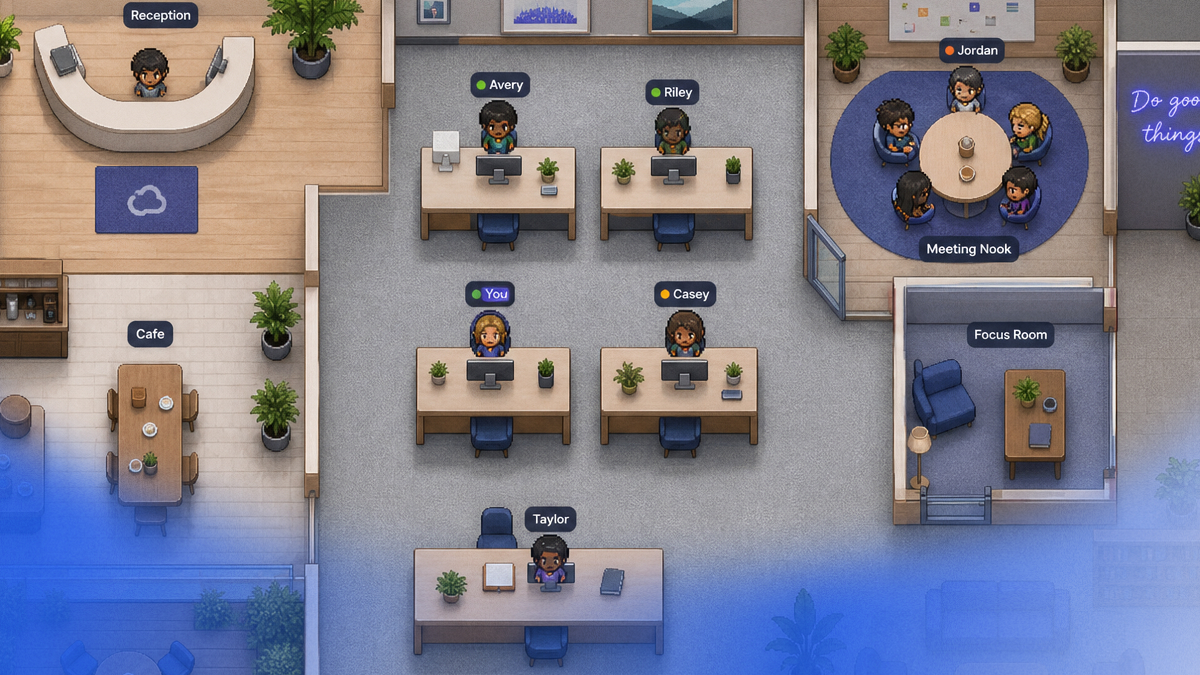
One of the greatest challenges for remote teams is the lack of visibility regarding colleague availability. Hurbly.ai addresses this by providing a virtual office environment where team presence is visible in real-time. This visibility is essential for effective communication in the workplace, as it allows employees to see who is currently focused, who is in a meeting, or who is available for a quick chat. Knowing the status of a teammate prevents unnecessary interruptions and respects deep-work cycles.
When team members can see each other's status, it replicates the natural flow of a physical office. This spatial awareness is a key component of effective communication in the workplace, enabling spontaneous interactions that often lead to creative problem-solving. Instead of waiting hours for an email reply, a user can see an "available" indicator and initiate a brief, productive conversation immediately.
Overcoming Barriers to Remote Interaction
Remote work often suffers from "communication silos," where information stays trapped within small groups. Promoting effective communication in the workplace requires breaking these silos through inclusive digital practices. Using a centralized platform ensures that updates are accessible to everyone, fostering a sense of belonging and shared purpose. This approach reduces the isolation often felt by remote workers and keeps the entire organization synchronized.
To further improve effective communication in the workplace, teams should adopt the following practices:
- Status Transparency: Use indicators to signal when you are busy, available, or away to manage colleague expectations.
- Contextual Messaging: Always provide the "why" behind a request to reduce back-and-forth clarifying questions.
- Active Listening: Encourage team members to acknowledge receipt of information and ask follow-up questions to ensure full comprehension.
- Spontaneous Syncs: Replace long, scheduled meetings with short, informal huddles when the platform shows participants are free.
By integrating these habits, effective communication in the workplace becomes a natural part of the daily workflow rather than a forced administrative task.
Comparing Communication Methods for Distributed Teams
Choosing the right medium for interaction is vital for maintaining effective communication in the workplace. Different tasks require different levels of urgency and detail. The table below outlines how various methods impact team dynamics:
| Method | Best Use Case | Impact on Effective Communication |
|---|---|---|
| Virtual Office (Hurbly.ai) | Real-time presence and spontaneous chats | High: Increases visibility and reduces meeting fatigue. |
| Instant Messaging | Quick updates and non-urgent questions | Medium: Good for speed, but can be distracting if overused. |
| Video Conferencing | Deep discussions and complex brainstorming | High: Essential for visual cues, but requires scheduling. |
| Formal documentation and external outreach | Low: Often leads to delayed responses and lost context. |
Utilizing a virtual office like Hurbly.ai helps bridge the gap between these methods by facilitating effective communication in the workplace through instant, low-friction engagement.
Implementing a Framework for Continuous Feedback
A robust framework for effective communication in the workplace must include a system for continuous feedback. In 2026, waiting for annual reviews is no longer sufficient. Real-time feedback loops allow for immediate course correction and professional growth. When employees feel comfortable giving and receiving honest critiques, the entire organization benefits from increased agility and faster innovation cycles.
- Define Channels: Clearly state which tools should be used for specific types of feedback to maintain effective communication in the workplace.
- Encourage Regularity: Set a cadence for check-ins that focus on goals and blockers rather than just status updates.
- Normalize Openness: Model transparent behavior from the top down to show that honest dialogue is valued.
- Review and Adapt: Periodically assess if the current tools and methods are truly supporting effective communication in the workplace.
Benefits of Spontaneous Interactions
Spontaneous interactions are often the birthplaces of innovation. In a digital setting, these "watercooler moments" must be intentionally enabled. By using platforms that show real-time availability, teams can engage in the type of effective communication in the workplace that happens naturally in physical settings. These unplanned conversations often resolve minor issues before they escalate into major problems, saving time and resources.
Furthermore, effective communication in the workplace through informal channels helps build trust among colleagues. When people interact outside of rigid meeting structures, they develop stronger professional relationships. This social glue is what keeps remote teams resilient and productive over the long term, ensuring that effective communication in the workplace remains a sustainable competitive advantage.