Enhancing Remote Collaboration with Effective Communication Tools

In this article

Enhancing Remote Collaboration with Effective Communication Tools
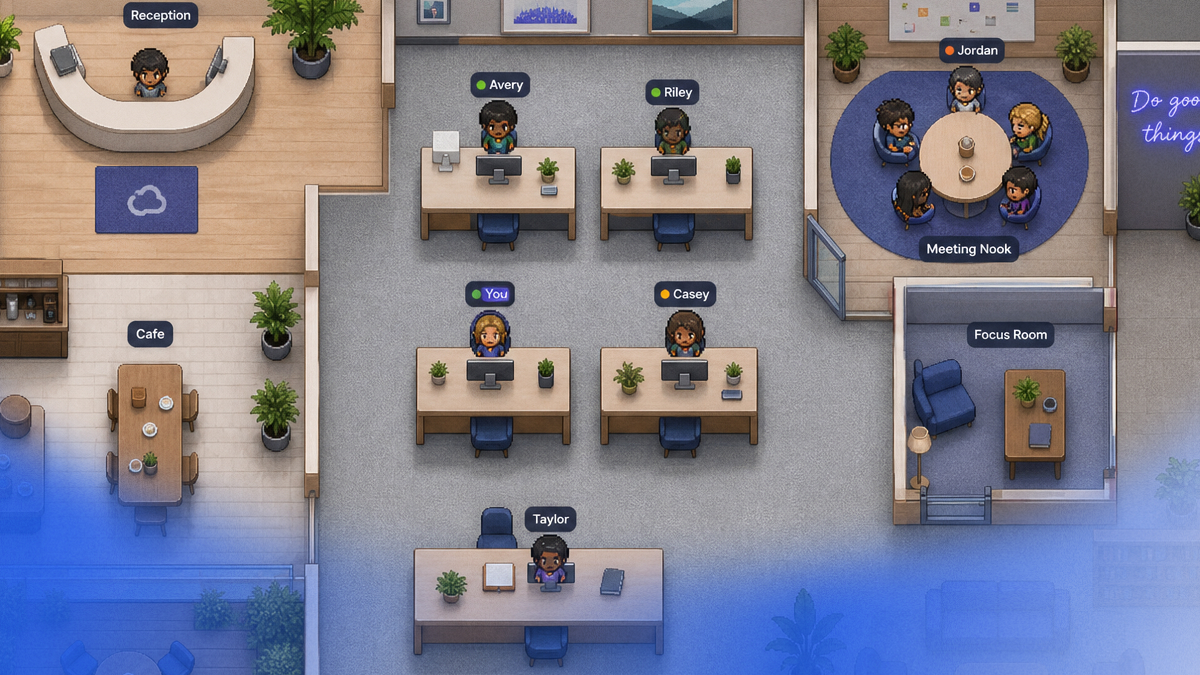
In 2026, the landscape of digital work requires more than just basic messaging; it demands a comprehensive understanding of team dynamics. Effective communication tools serve as the foundation for this environment, allowing distributed teams to maintain a sense of presence that was previously only possible in physical offices. By integrating real-time visibility, these systems ensure that every team member knows who is available for a quick query or who is currently deeply focused on a complex task.
The primary function of effective communication tools is to reduce the friction associated with digital interaction. Instead of the traditional cycle of sending a message and waiting indefinitely for a response, these platforms provide immediate visual cues. Understanding the real-time status of a colleague prevents unnecessary interruptions and fosters a more respectful and productive workplace culture. Utilizing a platform like Hurbly.ai allows teams to see these presence indicators clearly, bridging the gap between remote locations.
How Real-Time Presence Indicators Work
Real-time presence technology functions by monitoring active states and user-defined statuses within a digital workspace. These effective communication tools track whether a user is active, in a meeting, or in a "do not disturb" mode. This data is then visualized on a common dashboard, providing a bird's-eye view of the entire organization's current capacity.
The technical infrastructure behind these effective communication tools relies on low-latency data transmission to ensure that status updates are instantaneous. When a team member enters a video call, the system automatically updates their profile, informing others that they are occupied. This automation is a critical component of effective communication tools because it removes the manual burden of status reporting, allowing employees to focus entirely on their primary responsibilities.
Benefits of Spontaneous Interaction in Digital Offices
One of the greatest challenges of remote work is the loss of "watercooler moments" or spontaneous desk-side chats. Effective communication tools aim to replicate these informal interactions by making it easy to start a conversation without a calendar invite. When you can see that a teammate is available, you can initiate a quick audio or video sync, mirroring the natural flow of a physical office.
Implementing effective communication tools leads to several measurable improvements in team performance:
- Reduced Meeting Fatigue: By resolving small issues through quick, spontaneous chats, the need for hour-long scheduled meetings decreases significantly.
- Faster Decision Making: Real-time visibility allows for immediate consultations, preventing projects from stalling while waiting for email replies.
- Enhanced Team Cohesion: Seeing colleagues "present" in a virtual space reduces the feeling of isolation often associated with remote work.
- Improved Transparency: Managers and peers gain a clear understanding of the team's workflow without micromanagement.
These effective communication tools are essential for maintaining high levels of engagement across different time zones. By using Hurbly.ai, companies can create a persistent digital environment where collaboration feels natural and immediate.
Comparing Communication Methods in 2026
The choice of how to interact depends heavily on the urgency and complexity of the task. Modern effective communication tools provide a spectrum of interaction types, as shown in the table below:
| Interaction Type | Speed | Best Use Case | Role of Effective Communication Tools |
|---|---|---|---|
| Asynchronous (Email/Text) | Slow | Non-urgent documentation | Provides a record of long-form information. |
| Scheduled (Video Calls) | Medium | Deep dives and formal reviews | Ensures dedicated time for complex topics. |
| Spontaneous (Virtual Office) | Instant | Quick questions and brainstorming | Facilitates immediate clarity and presence. |
Selecting the right effective communication tools involves balancing these methods to ensure that the team remains productive without becoming overwhelmed by notifications.
Implementing Effective Communication Tools for Distributed Teams
To successfully integrate effective communication tools into a daily routine, organizations should follow a structured approach. This ensures that the technology is used consistently and that all team members understand the etiquette of a virtual office environment.
- Define Status Protocols: Establish clear meanings for different presence indicators (e.g., "Deep Work" means no interruptions except for emergencies).
- Integrate Workflows: Ensure your effective communication tools are synced with other productivity software to automate status updates.
- Encourage Informal Syncs: Shift the culture away from "email first" toward "presence-based" interaction for simple queries.
- Monitor Engagement: Use the data provided by these effective communication tools to identify potential burnout or communication silos within the team.
By prioritizing these steps, a company can transform its remote operations into a fluid, highly connected ecosystem. The goal of effective communication tools is not just to talk more, but to communicate more intelligently. Platforms like Hurbly.ai provide the necessary visibility to make this transition seamless, ensuring that even the most distributed teams feel like they are working side-by-side.
Ultimately, the relevance of effective communication tools lies in their ability to humanize the digital workspace. When technology provides a clear window into the availability and focus of our peers, we can collaborate with greater empathy and efficiency, driving better results for the entire organization in 2026 and beyond.