Optimizing Team Connectivity Through a Real-Time Employee Directory
In this article

Optimizing Team Connectivity Through a Real-Time Employee Directory
An Employee Directory serves as the central nervous system for modern remote organizations. In 2026, simply having a list of names and emails is no longer sufficient for distributed teams. A functional Employee Directory must provide immediate insights into team availability, current focus states, and departmental structures. By integrating real-time presence technology, companies can bridge the gap between physical and digital workspaces, ensuring that every interaction is timely and relevant.
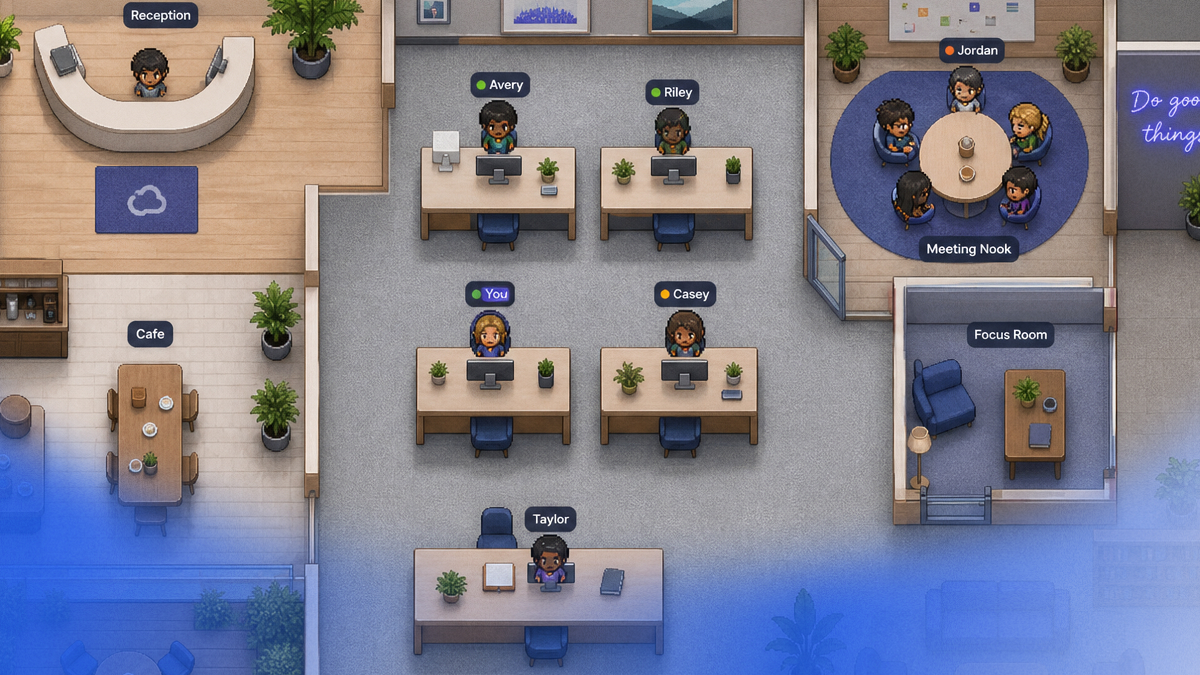
The primary role of a modern Employee Directory is to reduce the friction associated with starting a conversation. When a team member needs a quick answer, they shouldn't have to guess if a colleague is busy or away. Hurbly.ai enhances this experience by providing a visual layer to the Employee Directory, allowing users to see exactly who is available for a spontaneous chat or who is currently deep in a focused task. This visibility transforms a static list into a dynamic workspace.
How a Dynamic Employee Directory Enhances Remote Collaboration
A real-time Employee Directory works by synchronizing the digital presence of every team member. Unlike traditional databases, this system updates status indicators automatically based on user activity and calendar events. This means that when you browse your Employee Directory, you are seeing a live representation of your office. This transparency helps prevent "notification fatigue," as employees only reach out when they see a colleague is truly available to talk.
To maximize the utility of an Employee Directory, organizations should focus on the following features:
- Live Status Indicators: Visual cues that show if a person is in a meeting, focusing, or free to talk.
- Instant Communication Links: The ability to start a conversation directly from the directory entry without switching apps.
- Departmental Filtering: Quickly finding experts within specific teams like engineering, marketing, or HR.
- Time Zone Awareness: Ensuring that global teams understand the local context of their peers before reaching out.
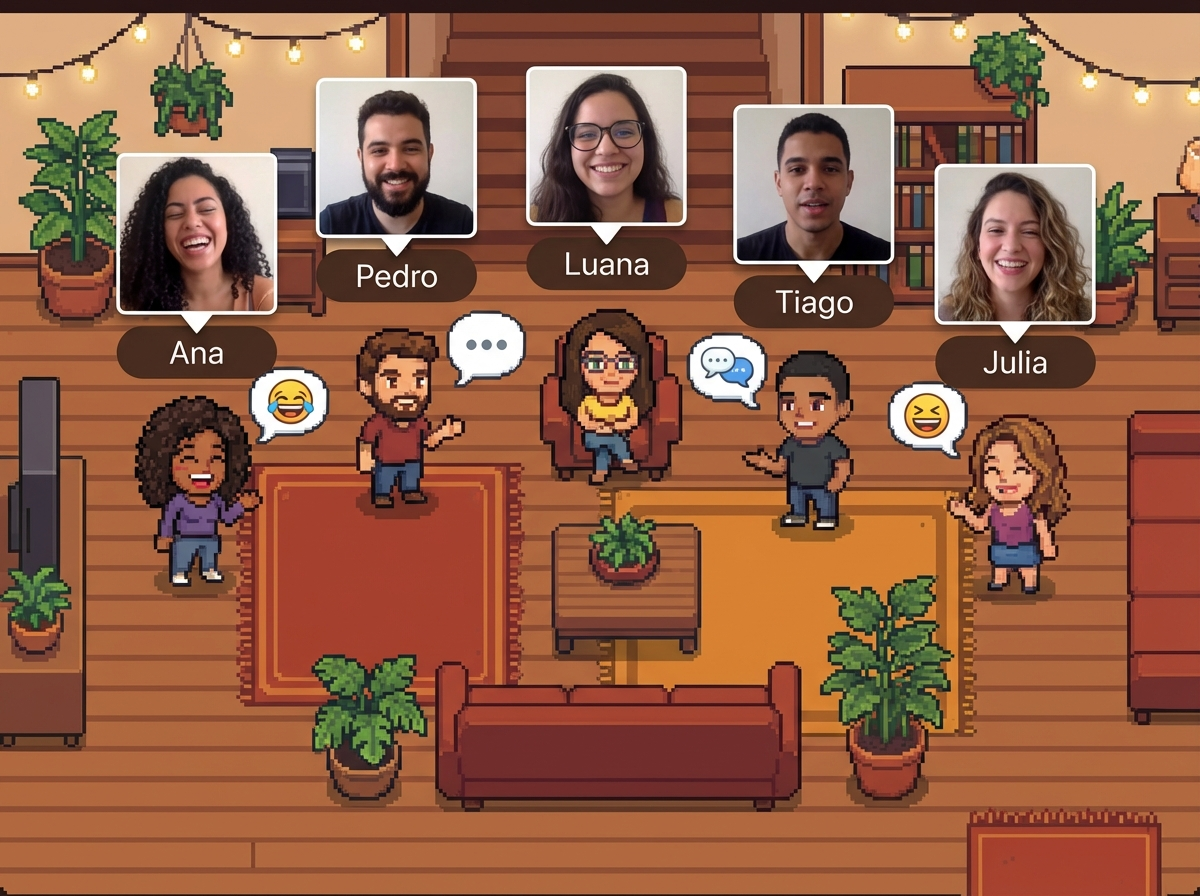
By utilizing Hurbly.ai, companies can implement an Employee Directory that replicates the spontaneous interactions of a physical office. This approach removes the need for excessive scheduled video calls, which often clutter calendars and decrease overall productivity.
The Importance of Presence in an Employee Directory
The relevance of a comprehensive Employee Directory lies in its ability to foster a sense of belonging and "team presence." In a remote setting, isolation is a common challenge. A well-structured Employee Directory helps mitigate this by making everyone’s contributions and availability visible. It creates a shared digital environment where freelancers and full-time staff can interact with the same level of ease as if they were sitting at adjacent desks.
| Feature | Static Directory | Real-Time Employee Directory |
|---|---|---|
| Availability | Not visible | Updated in real-time |
| Interaction | Manual (Email/Chat) | Instant and spontaneous |
| Context | Name and Title only | Current task and focus state |
| Efficiency | Low (requires checking) | High (immediate visibility) |
Integrating your Employee Directory with a platform like Hurbly.ai ensures that information is not just stored, but utilized to improve daily workflows. When the Employee Directory reflects the actual state of the team, coordination becomes more fluid and less reliant on rigid schedules.
Implementing an Effective Employee Directory for 2026
To successfully deploy a high-functioning Employee Directory, organizations should follow a logical implementation process. This ensures that the tool is adopted by all team members and becomes a staple of the daily routine. A clear Employee Directory strategy reduces the time spent on administrative coordination and increases the time spent on actual project execution.
- Data Integration: Connect the directory to existing identity providers to ensure all contact information is accurate and up to date.
- Presence Configuration: Define the different status levels (e.g., "Deep Work," "Available," "In a Meeting") that will be visible in the Employee Directory.
- Training and Adoption: Encourage team members to use the Employee Directory as their first point of reference before initiating any communication.
- Continuous Updates: Ensure the directory evolves as the team grows, adding new departments and roles as necessary.
A robust Employee Directory is more than just a tool for HR; it is a vital component of the operational infrastructure. By choosing a solution like Hurbly.ai, teams can ensure their Employee Directory supports a culture of transparency and rapid communication, which is essential for success in the modern, distributed business landscape.