Strategies for Enhancing Employee Engagement in Remote Work Environments
In this article

Strategies for Enhancing Employee Engagement in Remote Work Environments
Effective employee engagement remains a cornerstone of organizational success in 2026. As distributed teams become the standard, the challenge lies in maintaining a sense of connection and visibility that was once natural in physical offices. High levels of employee engagement are directly linked to increased productivity, better retention rates, and a more cohesive company culture. To achieve this, organizations must move beyond static messaging and implement systems that foster real-time interaction and transparency.
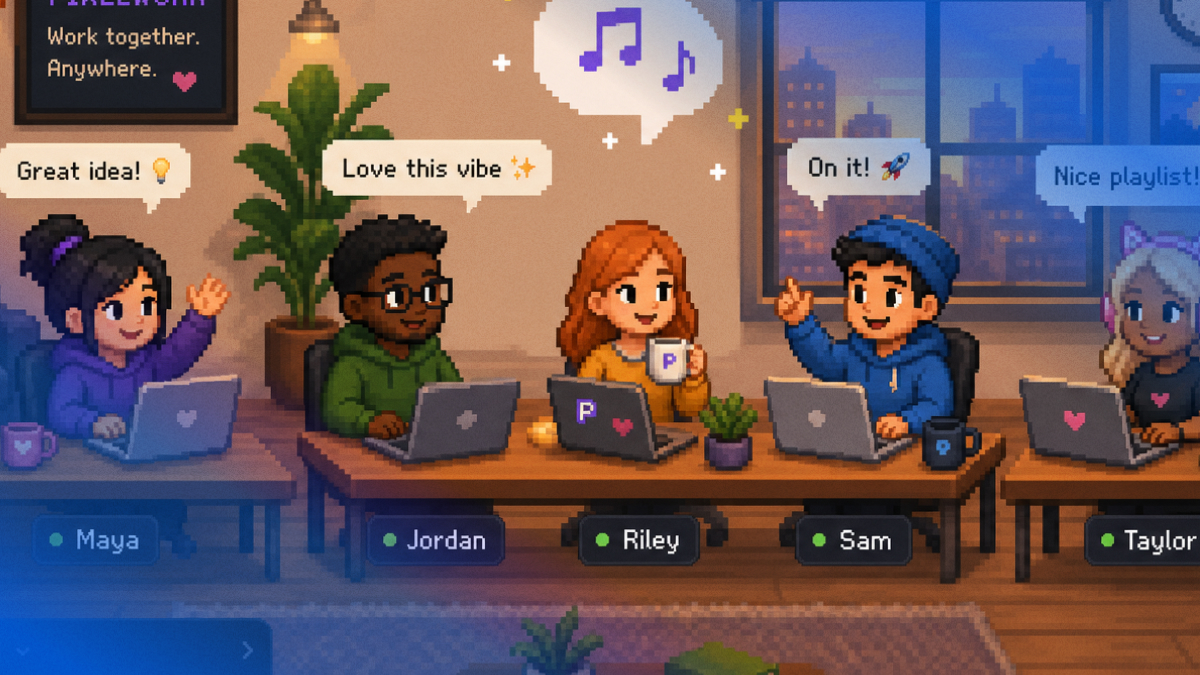
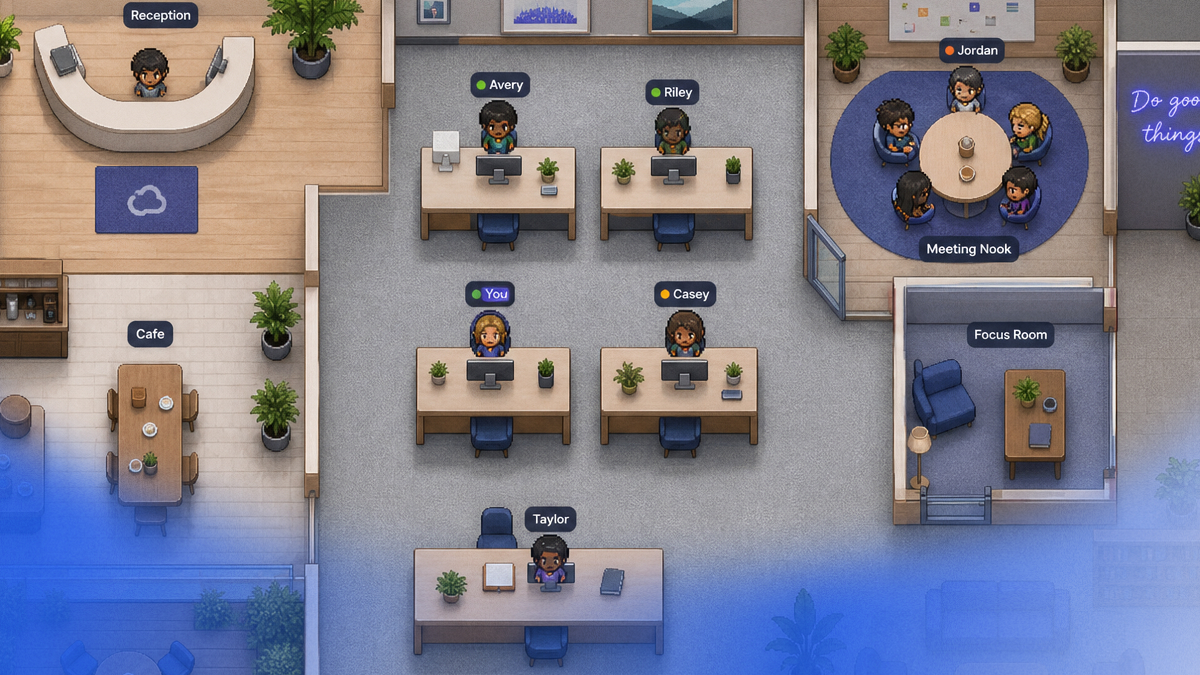
A significant factor in driving employee engagement is the reduction of digital friction. When team members feel isolated or struggle to know when colleagues are available, communication breaks down. By utilizing tools like Hurbly.ai, companies can create a virtual presence that mimics the spontaneity of a traditional workspace. This visibility allows team members to see who is focused, who is in a meeting, and who is available for a quick chat, which naturally boosts employee engagement by making interactions feel less formal and more accessible.
The Role of Real-Time Visibility in Team Dynamics
Real-time visibility is essential for sustaining employee engagement across different time zones. In a remote setting, the lack of visual cues often leads to "meeting fatigue," where every interaction must be pre-scheduled. This rigidity can stifle creativity and lower employee engagement. Instead, a virtual office environment provides indicators of presence, allowing for "walk-up" conversations that keep workflows fluid and keep the team connected to the daily pulse of the organization.
To improve employee engagement, managers should prioritize tools that offer clear status updates. When a platform displays that a coworker is "deep in work," it respects their focus time while still maintaining a sense of shared space. This balance of privacy and availability is crucial for long-term employee engagement, as it prevents burnout while ensuring that no one feels truly alone in their tasks.
Practical Steps to Improve Digital Collaboration
Improving employee engagement requires a structured approach to how teams interact. Organizations can follow these steps to optimize their digital environment:
- Establish Presence Standards: Define what different status indicators mean to ensure everyone understands when it is appropriate to initiate a spontaneous conversation.
- Encourage Informal Socializing: Use virtual spaces to host non-work-related interactions, which helps build the trust necessary for high employee engagement.
- Reduce Scheduled Meeting Loads: By enabling instant, short voice or video calls for quick questions, teams can eliminate the need for 30-minute calendar blocks, increasing overall employee engagement with actual work tasks.
- Monitor Team Sentiment: Regularly check in on how connected employees feel to the team's goals and their peers.
| Feature | Impact on Employee Engagement | Benefit |
|---|---|---|
| Real-time Status | High | Reduces uncertainty and communication delays. |
| Instant Audio/Video | Medium | Facilitates quick problem-solving and social bonds. |
| Focused Mode | High | Protects cognitive load while maintaining presence. |
| Virtual Floorplan | Medium | Provides a visual sense of belonging to a group. |
Why Spontaneous Interaction Drives Performance
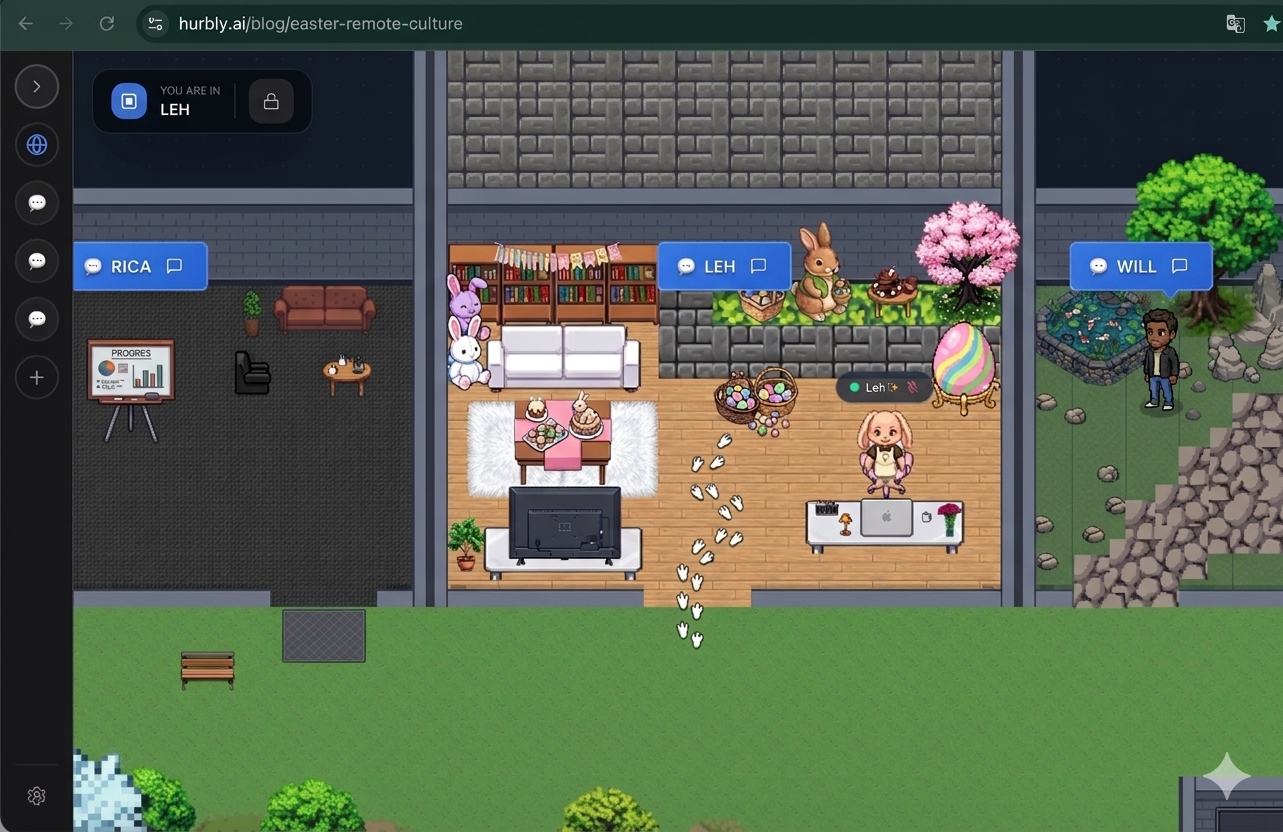
Spontaneous interaction is a primary driver of employee engagement because it replicates the "watercooler effect." In these unplanned moments, information is often shared more freely, and innovative ideas are born. Without a dedicated platform like Hurbly.ai to facilitate these moments, remote workers may become siloed, leading to a measurable drop in employee engagement. By making it easy to "drop by" a colleague's virtual desk, the barriers to collaboration are removed.
Furthermore, employee engagement is strengthened when leadership is visible and accessible. When executives and managers participate in the same virtual office space, it flattens the hierarchy and encourages open communication. This transparency ensures that every team member feels valued and informed, which is a key metric for measuring employee engagement in modern, decentralized organizations.
Sustaining Long-Term Connection in Distributed Teams
Maintaining employee engagement in 2026 requires a commitment to psychological safety and technological integration. Employees need to feel that their digital workspace is a supportive environment where they can easily reach out for help or share a success. High employee engagement is not a one-time achievement but a continuous process of refining how a team interacts and uses its digital tools to stay aligned with common objectives.
Finally, the data shows that teams with robust employee engagement strategies are more resilient to market changes. By investing in the right infrastructure to support team presence and fluid communication, companies ensure that their workforce remains motivated and synchronized. Prioritizing employee engagement through better visibility and instant connectivity is the most effective way to build a high-performing remote culture.