Strategies to Define and Achieve Employee Engagement Goals in 2026
In this article

Strategies to Define and Achieve Employee Engagement Goals in 2026
Effective workplace management requires a clear understanding of how team members interact with their tasks and colleagues. Setting specific employee engagement goals helps organizations transition from passive management to active collaboration. These objectives focus on creating an environment where individuals feel connected to their work and the broader company mission. In a digital-first landscape, achieving these goals involves using tools that provide visibility and reduce the friction of remote communication.
To establish meaningful employee engagement goals, leadership must first identify the current barriers to communication. When teams work across different time zones or locations, spontaneous interaction often disappears. By prioritizing transparency and real-time presence, companies can ensure that their employee engagement goals are grounded in daily operational reality rather than abstract concepts. This approach allows for a more responsive and agile workforce.
The Role of Real-Time Presence in Team Connectivity
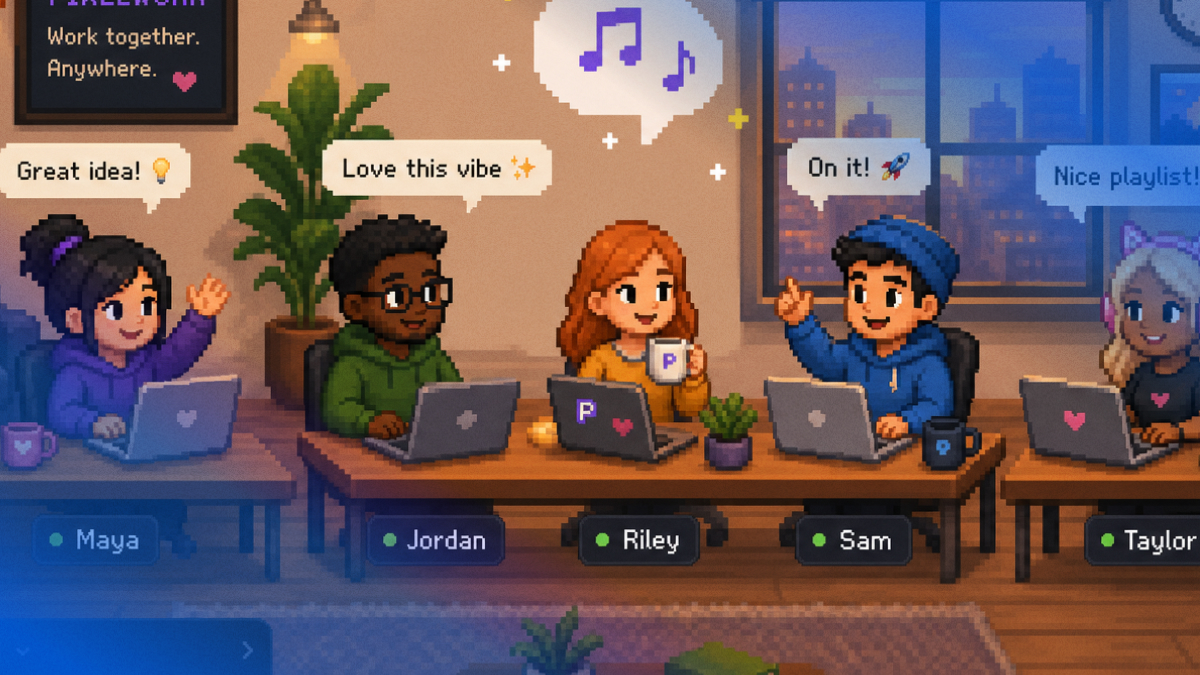
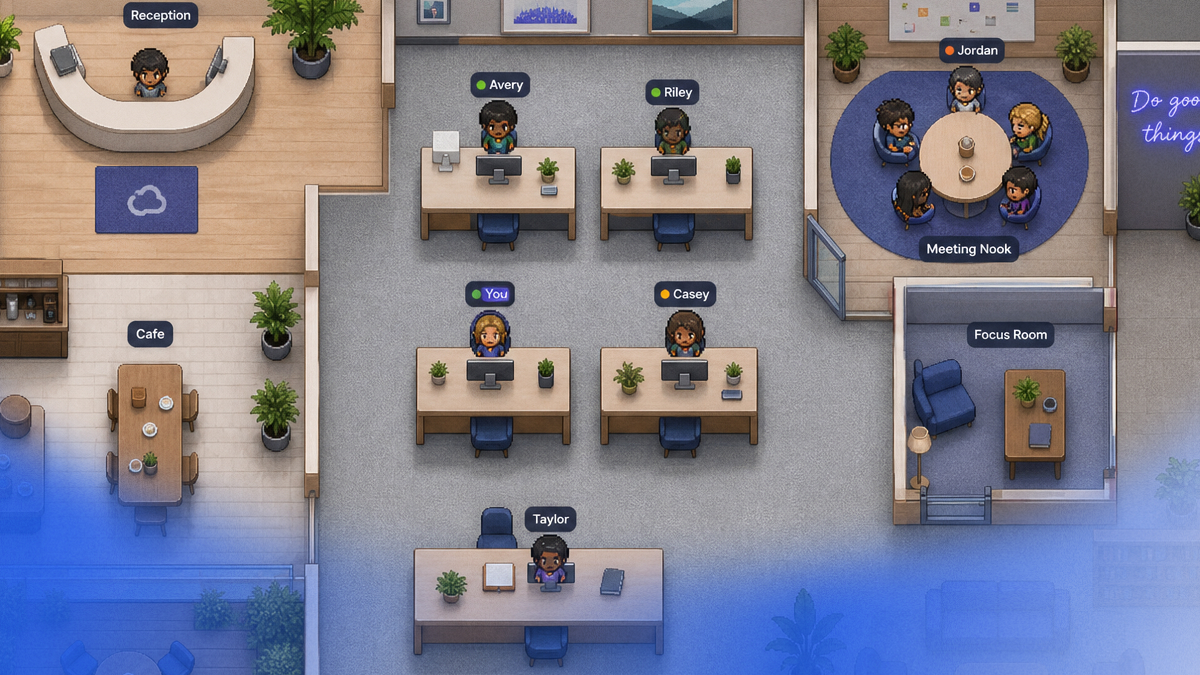
One of the most effective ways to meet employee engagement goals is through the implementation of virtual office environments. Platforms like Hurbly.ai allow teams to see who is available, who is focusing, and who is currently in a meeting. This level of visibility is crucial because it eliminates the guesswork associated with remote work. When employees can see their colleagues' status, they are more likely to engage in the quick, informal conversations that build professional trust and rapport.
Integrating real-time presence indicators directly supports employee engagement goals by replicating the natural flow of a physical office. Instead of waiting for a scheduled video call, team members can initiate instant conversations when they see a peer is free. This reduces the feeling of isolation often found in distributed teams. Consequently, the pursuit of employee engagement goals becomes a continuous process integrated into the digital workspace rather than a periodic HR initiative.
Actionable Steps for Improving Workplace Interaction
To reach your employee engagement goals, it is helpful to follow a structured process that emphasizes accessibility and clarity. Organizations should focus on the following steps to enhance team dynamics:
- Define Clear Communication Protocols: Establish when to use instant messaging versus when to use virtual office "walk-ins" to respect focus time.
- Monitor Availability Trends: Use data from presence platforms to understand peak collaboration hours and adjust meeting schedules accordingly.
- Encourage Spontaneous Mentorship: Set employee engagement goals that reward senior staff for making themselves available for quick "drop-in" questions from junior members.
- Reduce Meeting Fatigue: By enabling instant, short interactions, you can decrease the number of lengthy, scheduled meetings that often hinder productivity.
By following these steps, the path toward achieving employee engagement goals becomes clearer. The focus shifts from simply "checking in" to creating a functional ecosystem where information flows freely. This structure ensures that every team member understands their role and feels empowered to contribute to collective success.
Comparing Traditional Communication and Virtual Office Models
Understanding the difference between standard messaging and virtual office platforms is vital for setting realistic employee engagement goals. The following table illustrates how different approaches impact team connectivity:
| Feature | Traditional Messaging | Virtual Office (Hurbly.ai) |
|---|---|---|
| Visibility | Manual status updates (often outdated) | Real-time presence indicators |
| Interaction | Asynchronous and delayed | Instant and spontaneous |
| Context | Requires asking "Are you free?" | Visual cues show current activity |
| Impact on Goals | Difficult to track engagement | Directly supports employee engagement goals |
Choosing the right environment is a prerequisite for any organization serious about its employee engagement goals. While traditional tools serve a purpose for documentation, they often fail to capture the human element of work. Virtual offices bridge this gap by providing a visual map of the team, making the achievement of employee engagement goals a more attainable outcome for managers and employees alike.
Why Transparency is Essential for Remote Success
Transparency is the foundation upon which all successful employee engagement goals are built. When a team lacks visibility, silos form, and trust begins to erode. Providing a platform where everyone’s availability is known fosters a culture of accountability. Employees who know their work is visible and that their colleagues are accessible are generally more motivated to maintain high levels of performance.
Furthermore, transparency helps leaders identify potential burnout before it becomes a problem. If a team member’s status consistently shows "busy" for extended periods, managers can intervene to redistribute workloads. This proactive management style is a core component of modern employee engagement goals. By using Hurbly.ai, organizations can maintain this transparency effortlessly, ensuring that the human connection remains at the center of the digital experience.
Measuring the Success of Engagement Initiatives
Setting employee engagement goals is only the first half of the process; measuring them is the second. In 2026, success is measured by the frequency of organic interactions and the reduction in coordination friction. If team members are collaborating without needing constant intervention from management, the employee engagement goals are likely being met.
Key performance indicators (KPIs) for these goals often include:
- Average time spent in spontaneous vs. scheduled meetings.
- Employee satisfaction scores regarding tool accessibility.
- Reduction in "ping-pong" messaging threads for simple questions.
Focusing on these metrics allows a company to refine its employee engagement goals over time. As the team grows and evolves, the tools and strategies used to keep them connected must also adapt. Maintaining a focus on real-time presence and ease of communication ensures that the organization remains a cohesive unit, regardless of where individual members are located.