Strategies to Enhance Employee Motivation in Remote Workspaces
In this article

Strategies to Enhance Employee Motivation in Remote Workspaces
Effective employee motivation is the cornerstone of a productive and engaged workforce, especially in distributed environments. In 2026, organizations must move beyond traditional incentives to focus on real-time connectivity and psychological safety. When team members feel seen and supported, their internal drive increases. High levels of employee motivation lead to better retention rates and higher quality output, as individuals feel a stronger connection to their collective goals.
To sustain employee motivation, leaders must implement systems that reduce the friction of digital communication. Remote work often suffers from "presence disparity," where employees feel isolated from their peers. By addressing these gaps through transparent workflows and accessible leadership, companies can ensure that employee motivation remains consistent regardless of physical location. Tools that bridge the gap between physical and virtual presence are essential for maintaining this momentum.
The Role of Real-Time Presence in Team Engagement
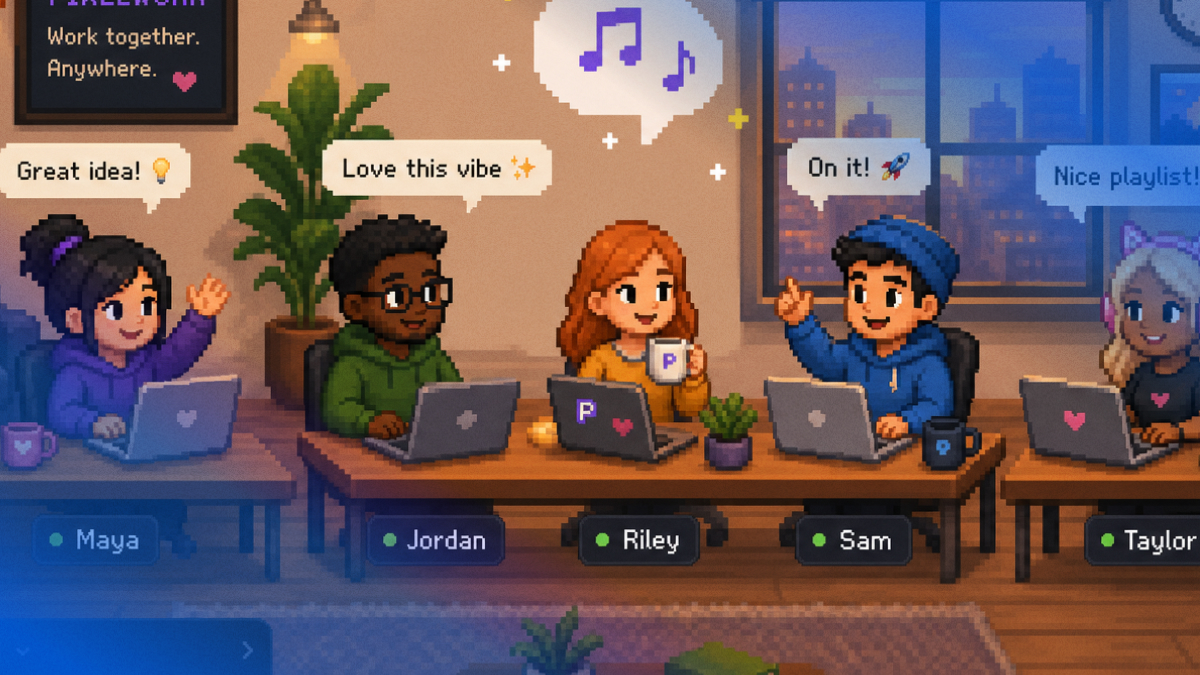
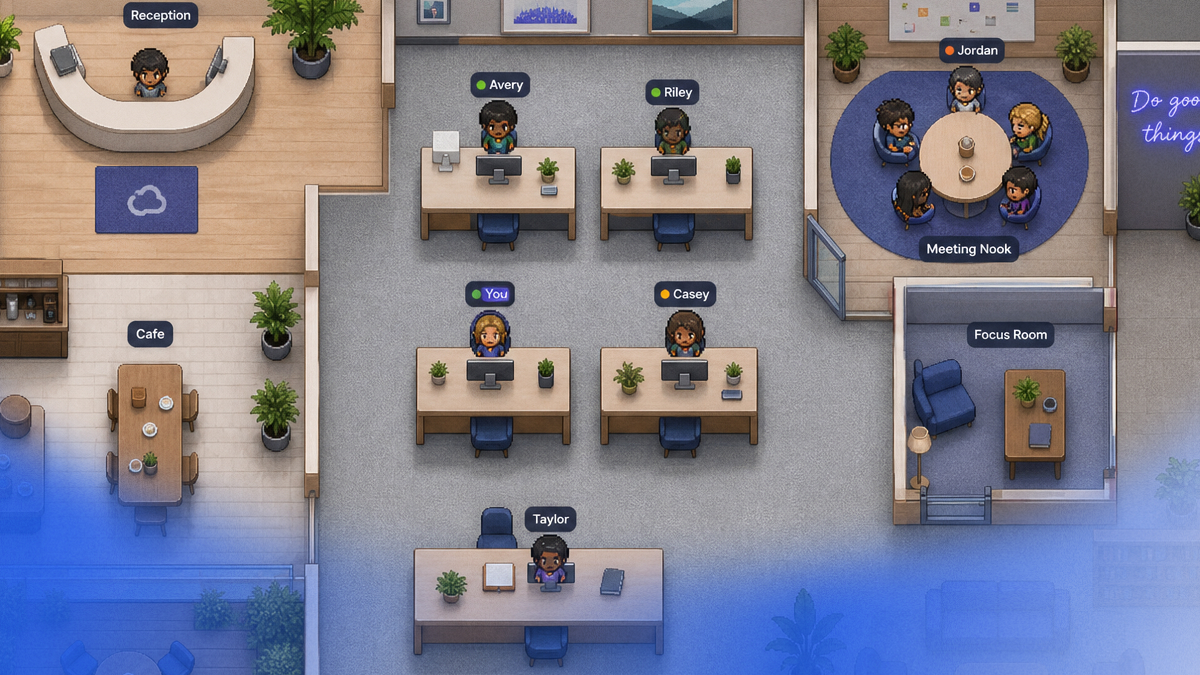
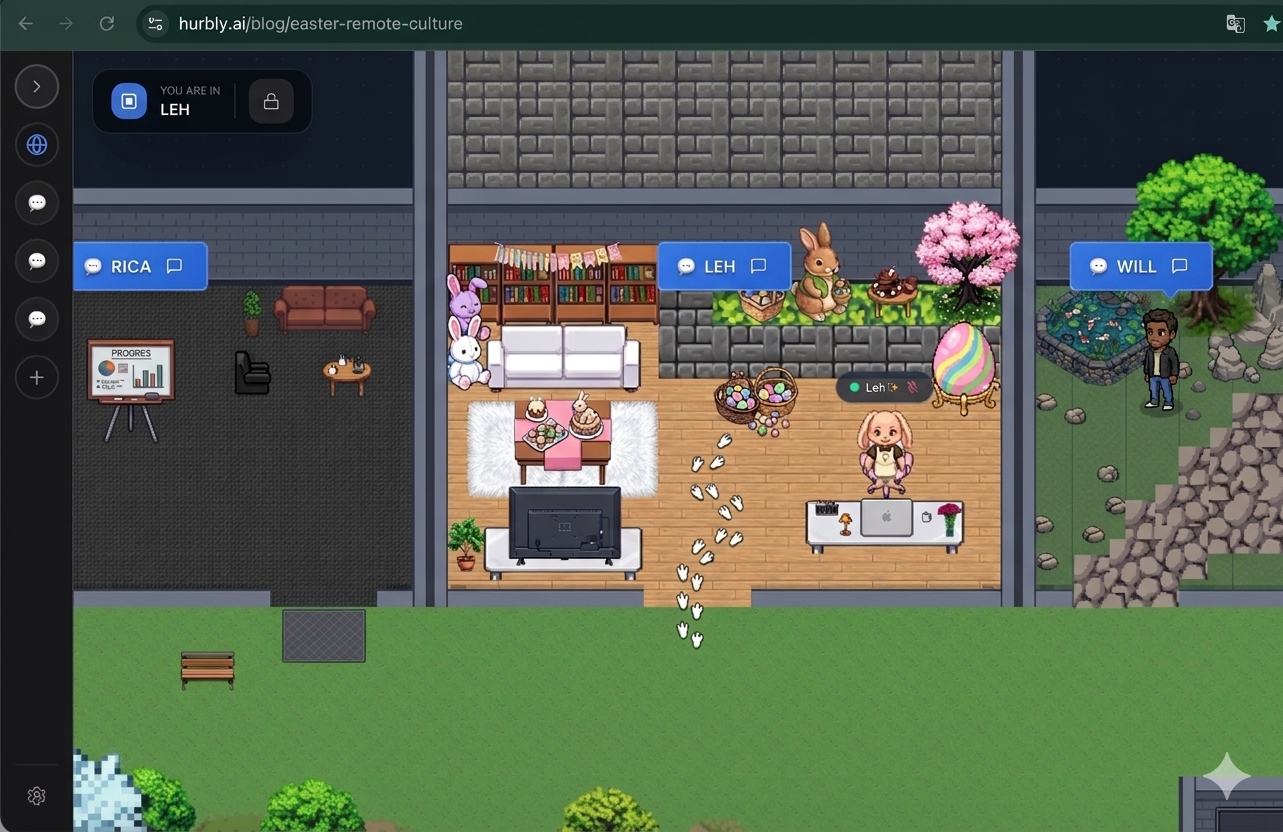
A significant factor in employee motivation is the ability to collaborate spontaneously without the burden of excessive scheduling. In a traditional office, seeing a colleague available at their desk facilitates quick questions and social bonds. In a digital setting, Hurbly.ai replicates this environment by providing real-time visibility into who is focused, in a meeting, or available for a chat. This visibility directly impacts employee motivation by removing the anxiety associated with "interrupting" a coworker.
When teams use presence indicators, they foster an environment of transparency. Knowing that a manager is available for a quick sync can boost a junior staff member's employee motivation, as it reduces the time spent waiting for feedback. This fluid interaction model prevents the stagnation often found in remote setups. Furthermore, seeing the collective activity of a team creates a sense of shared purpose, which is a primary driver of long-term employee motivation.
Practical Steps to Improve Workplace Drive
Improving employee motivation requires a structured approach to communication and recognition. Organizations should prioritize clarity in roles and provide the necessary tools for seamless interaction. The following steps are essential for maintaining high employee motivation in 2026:
- Establish Clear Availability Norms: Define what different status indicators mean to prevent burnout and respect deep-work phases.
- Encourage Spontaneous Interaction: Move away from a "meetings-only" culture to allow for quick, informal huddles that build rapport.
- Provide Real-Time Feedback: Use digital tools to acknowledge achievements instantly, which reinforces positive behaviors and employee motivation.
- Promote Autonomy: Give employees control over their schedules while remaining visible to the team, balancing flexibility with accountability.
By following these steps, companies create a culture where employee motivation thrives on trust rather than surveillance. When workers feel they have the tools to succeed and the freedom to communicate naturally, their commitment to the organization grows.
Comparing Communication Methods and Their Impact
The choice of communication technology significantly influences employee motivation. Different methods serve different psychological needs within a team.
| Method | Impact on Employee Motivation | Best Use Case |
|---|---|---|
| Scheduled Video Calls | Can cause "zoom fatigue" if overused; provides deep alignment. | Project kick-offs and formal reviews. |
| Asynchronous Messaging | Good for documentation; can lead to feelings of isolation. | Non-urgent updates and status reports. |
| Real-Time Presence (Hurbly.ai) | High; mimics office energy and encourages quick wins. | Daily collaboration and spontaneous problem-solving. |
| Low; often feels formal and slow. | External communication and official records. |
As shown in the table, real-time presence is a powerful tool for sustaining employee motivation because it reduces the "loneliness gap" of remote work. By integrating platforms like Hurbly.ai, teams can maintain a high level of employee motivation through continuous, low-friction connectivity.
Why Visibility Matters for Distributed Teams
Visibility is not about monitoring; it is about accessibility. For a remote worker, knowing they are part of a living, breathing team is vital for their employee motivation. When a platform shows that a colleague is "focused," it signals to others to respect that time, which protects the individual's productivity and mental well-being. This mutual respect is a fundamental component of healthy employee motivation.
Furthermore, visibility allows leaders to identify when a team member might be overwhelmed. If an individual is constantly "in a meeting" for days on end, a manager can step in to redistribute the workload. This proactive support is a direct investment in employee motivation, as it prevents burnout and demonstrates that the company values the employee's time and health. Utilizing Hurbly.ai helps maintain this delicate balance by making the invisible workflows of a remote team visible to everyone.
Building a Sustainable Culture of Connection
Long-term employee motivation depends on a culture that prioritizes human connection over mere task completion. In 2026, the most successful companies are those that treat their virtual office with the same intentionality as a physical one. By fostering an atmosphere where team members can see each other and interact naturally, organizations secure the foundation of employee motivation.
Ultimately, the goal is to create a digital space where work feels collaborative and less like a series of isolated tasks. When employees feel connected to their peers and have a clear view of the team's pulse, their employee motivation naturally aligns with the company's success. Investing in the right technology and communication strategies ensures that this motivation remains a permanent feature of the corporate culture.