Effective Employee Onboarding Strategies for Remote Teams in 2026
In this article

Effective Employee Onboarding Strategies for Remote Teams in 2026
Effective employee onboarding is the foundational process of integrating new hires into an organization's culture, systems, and social dynamics. In 2026, as distributed work becomes the global standard, this process has evolved from simple paperwork into a comprehensive digital experience. A well-structured employee onboarding program ensures that new team members understand their roles, the tools available to them, and how to communicate effectively with their colleagues from day one.
The primary goal of modern employee onboarding is to reduce the time it takes for a new hire to become productive while fostering a sense of belonging. When done correctly, it minimizes the anxiety associated with starting a new job and provides a clear roadmap for professional growth. Organizations that prioritize a clear employee onboarding sequence often see higher retention rates and improved team morale, as employees feel supported and valued immediately upon joining.
The Role of Virtual Presence in New Hire Integration
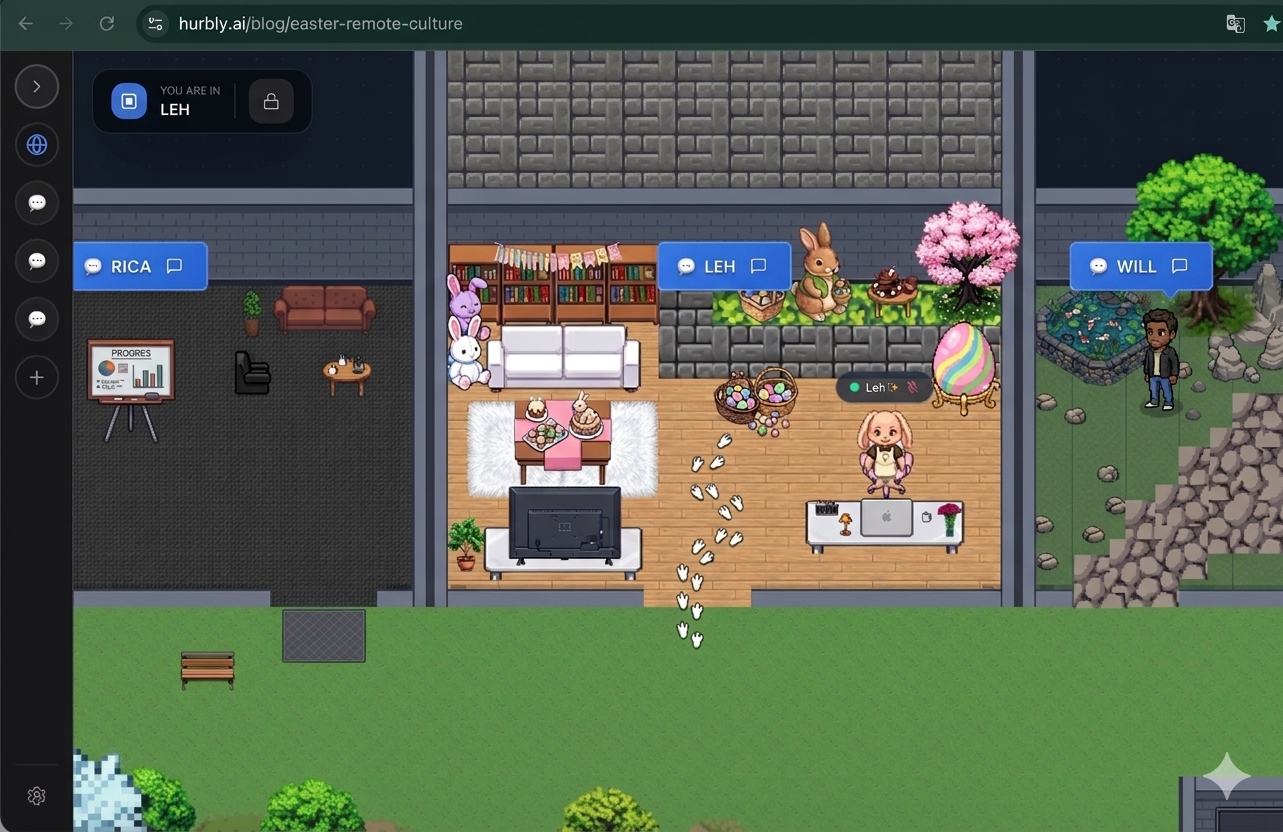
One of the greatest challenges in remote employee onboarding is replicating the spontaneous interactions of a physical office. In a digital environment, new hires often feel isolated because they cannot see their coworkers' daily activities. Integrating a virtual office platform like Hurbly.ai into your employee onboarding workflow solves this by providing real-time visibility. This technology allows new employees to see who is available, who is in a deep focus session, and who is currently in a meeting.
By using real-time presence indicators, the employee onboarding process becomes more organic. Instead of waiting for a scheduled video call, a new hire can see that a mentor is "available" and initiate a quick, informal conversation. This transparency reduces the friction of communication and helps the newcomer understand the team's rhythm. Utilizing Hurbly.ai as part of the employee onboarding toolkit ensures that the "open door policy" remains functional even in a fully remote or hybrid setting.
Essential Stages of a Modern Onboarding Process
A successful employee onboarding journey is typically divided into several distinct phases to avoid overwhelming the new hire. Each stage serves a specific purpose in the transition from candidate to integrated team member.
- Pre-boarding: This occurs after the contract is signed but before the first day. It involves sending hardware, providing access to internal portals, and sharing the initial schedule.
- The First Day: Focuses on orientation, introducing the company mission, and setting up communication channels. This is where the employee onboarding introduces the virtual office layout.
- The First Week: Dedicated to role-specific training and meeting key stakeholders. During this time, the employee onboarding emphasizes learning the team's workflow and social norms.
- The First 90 Days: A period of continuous feedback and gradual autonomy. The employee onboarding concludes when the hire is fully capable of managing their responsibilities independently.
| Onboarding Phase | Key Objective | Primary Tools |
|---|---|---|
| Pre-boarding | Administrative Readiness | Email, Logistics Portals |
| Orientation | Cultural Alignment | Hurbly.ai, Video Calls |
| Training | Technical Proficiency | Documentation, LMS |
| Integration | Social Connection | Virtual Office, Mentorship |
Enhancing Social Capital During Employee Onboarding
Building social capital is often the most neglected part of the employee onboarding experience in remote settings. Without the ability to have "water cooler" conversations, new hires may struggle to build trust with their peers. To combat this, companies are now using virtual presence platforms to facilitate "serendipitous encounters." When a new hire sees a colleague in a virtual common area, they can engage in the type of low-pressure interaction that is vital for long-term collaboration.
Incorporating these informal touchpoints into the employee onboarding schedule prevents the "silo effect." Rather than only interacting during formal, high-stakes meetings, the new hire learns to communicate in a more fluid, natural way. This aspect of employee onboarding is critical for understanding the unwritten rules of the organization and feeling like a true part of the team rather than just a name on a screen.
Measuring the Success of Your Onboarding Program
To ensure that the employee onboarding process remains effective, organizations must track specific metrics. Data-driven insights allow HR teams to identify bottlenecks and improve the experience for future hires. Key performance indicators for employee onboarding include:
- Time to Productivity: How long it takes for a new hire to complete their first independent project.
- New Hire Retention: The percentage of employees who stay with the company for at least one year.
- Onboarding Satisfaction Score: Feedback collected through surveys regarding the clarity and helpfulness of the employee onboarding steps.
- Social Integration Rate: The frequency of interactions between the new hire and different team members within the virtual office.
By monitoring these factors, companies can refine their employee onboarding strategies to be more inclusive and efficient. Using tools like Hurbly.ai provides additional data on how well new hires are engaging with the team's live environment, offering a clear picture of their integration progress. Effective employee onboarding is not a one-time event but a continuous commitment to employee success and organizational health.

