Strategies for Effective Employee Recognition in Remote Teams

In this article

Strategies for Effective Employee Recognition in Remote Teams
Employee recognition is the formal or informal acknowledgment of a staff member’s effort, behavior, or business results that support the organization’s goals and values. In 2026, as distributed work becomes the global standard, understanding how to implement a consistent system for employee recognition is vital for maintaining morale. When team members feel seen, their engagement levels rise, leading to higher retention and better overall performance. Effective employee recognition goes beyond simple praise; it requires a structured approach that aligns with the company’s culture and operational rhythm.
To make employee recognition meaningful, managers must ensure it is timely and specific. Waiting for an annual review to offer feedback often diminishes the impact of the achievement. Instead, real-time employee recognition allows the individual to connect the praise directly to the action they performed. This immediate feedback loop reinforces positive behaviors and encourages others to emulate those successful patterns. Tools like Hurbly.ai support this by providing visibility into team activities, making it easier for leaders to spot moments where a quick word of appreciation is deserved.
The Role of Visibility in Peer-to-Peer Employee Recognition
Peer-to-peer employee recognition is a powerful driver of team cohesion because it decentralizes the source of validation. When colleagues acknowledge each other's hard work, it builds a culture of mutual respect and reduces the pressure on management to be the sole providers of feedback. This form of employee recognition is often more authentic because it comes from people who understand the daily challenges of the role. By creating a transparent environment where work progress is visible, teams can more easily identify when a coworker has gone above and beyond.
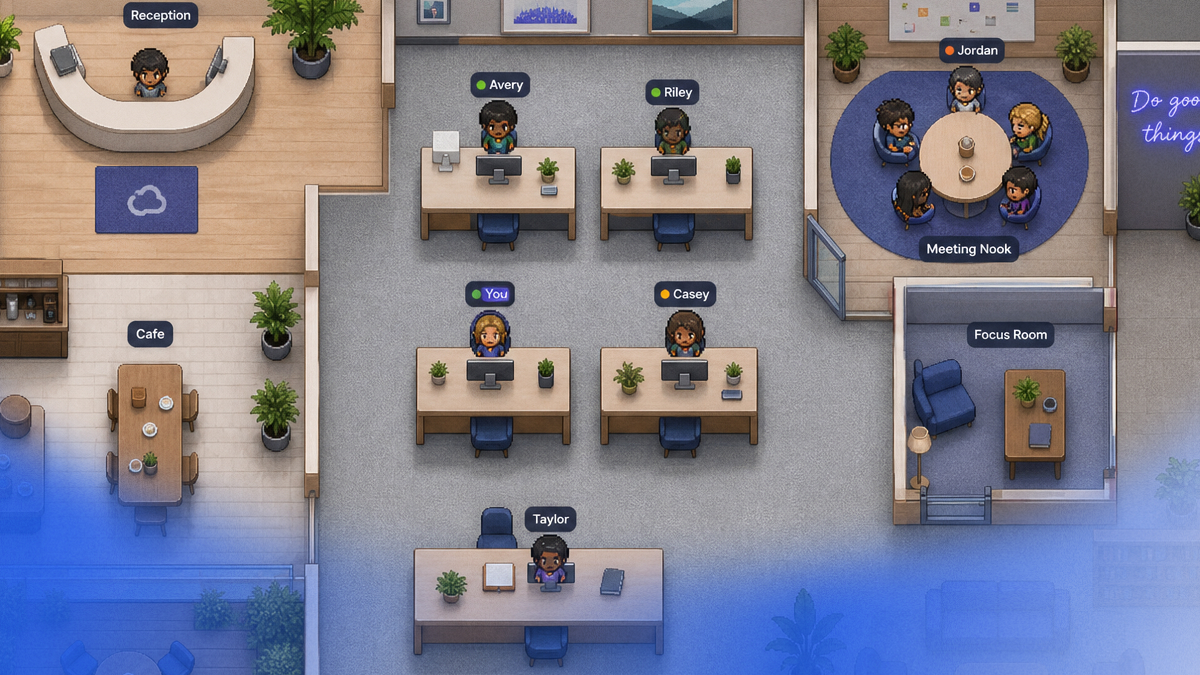
A successful peer-to-peer employee recognition program should be easy to access and integrated into the daily workflow. Using digital platforms to facilitate these interactions ensures that no one is overlooked due to time zone differences or physical distance. When a team member sees a colleague focused on a difficult task through a virtual office interface, they can offer support or follow up with employee recognition once the task is completed. This level of awareness transforms a group of isolated workers into a synchronized unit that values collective success.
Practical Steps to Implement Employee Recognition Programs
Implementing a robust framework for employee recognition requires a clear plan that defines what behaviors are being rewarded. Organizations should categorize their efforts into different levels of intensity to ensure a balanced approach. By diversifying how employee recognition is delivered, companies can cater to different personality types and professional milestones.
| Type of Recognition | Description | Impact |
|---|---|---|
| Informal | Quick shout-outs or private messages of thanks. | Boosts daily morale and builds rapport. |
| Formal | Structured awards, bonuses, or public announcements. | Validates long-term commitment and major results. |
| Peer-based | Nominations or kudos given by coworkers. | Strengthens team bonds and cultural alignment. |
To start, follow these three steps:
- Define clear criteria for employee recognition to ensure fairness and transparency across all departments.
- Select communication channels that allow for both public and private acknowledgments depending on the recipient's preference.
- Monitor the frequency of employee recognition to ensure it remains a consistent part of the corporate routine rather than a one-time event.
Why Real-Time Presence Enhances Employee Recognition
In a digital workspace, the lack of physical cues can make employee recognition feel disconnected or forced. However, using technology that simulates a physical office environment helps bridge this gap. When managers can see who is available or deeply focused, they can time their employee recognition efforts more effectively. Sending a congratulatory note right after a successful meeting or a completed project phase makes the gesture feel more natural and sincere.
The integration of presence-aware tools like Hurbly.ai allows for spontaneous interactions that are often the foundation of informal employee recognition. Instead of scheduling a formal call to say "good job," a manager can see a team member is free and drop in for a quick, high-impact conversation. This fluidity ensures that employee recognition becomes a fundamental part of the team's communication DNA, fostering an environment where every contribution is noticed and valued in real-time.
Measuring the Impact of Employee Recognition on Retention
The primary goal of consistent employee recognition is to improve the employee experience, which directly correlates with retention rates in 2026. Data shows that employees who receive regular employee recognition are significantly less likely to seek opportunities elsewhere. This is because acknowledgment fulfills a basic human need for belonging and competence. When a company prioritizes employee recognition, it signals to the workforce that they are viewed as essential assets rather than just resources.
To measure the success of these initiatives, companies should track engagement metrics and conduct regular surveys. High levels of participation in peer-to-peer employee recognition programs usually indicate a healthy, collaborative culture. Furthermore, analyzing the correlation between recognition frequency and project turnover can provide insights into which teams are most aligned. Ultimately, a well-executed strategy for employee recognition creates a competitive advantage by building a loyal, motivated, and highly productive workforce.