Strategies to Manage and Reduce Employee Turnover in Remote Teams

In this article

Strategies to Manage and Reduce Employee Turnover in Remote Teams
Employee turnover refers to the rate at which workers leave an organization and are replaced by new staff. In 2026, maintaining a stable workforce is a primary challenge for distributed companies. High employee turnover often stems from a lack of connection, poor communication, or the isolation frequently felt in remote work settings. When a team experiences frequent departures, it disrupts project timelines, increases recruitment costs, and lowers the overall morale of the remaining staff. Understanding the root causes of this movement is the first step toward building a sustainable corporate culture.
To effectively address employee turnover, companies must look beyond salary and benefits. While financial compensation is important, the daily experience of work—specifically how employees interact with their peers and leadership—dictates long-term retention. In a digital environment, the absence of physical proximity can lead to a "transactional" relationship with work, which significantly accelerates employee turnover. By focusing on engagement and real-time collaboration, organizations can create a sense of belonging that keeps talent from seeking opportunities elsewhere.
The Impact of Real-Time Presence on Retention
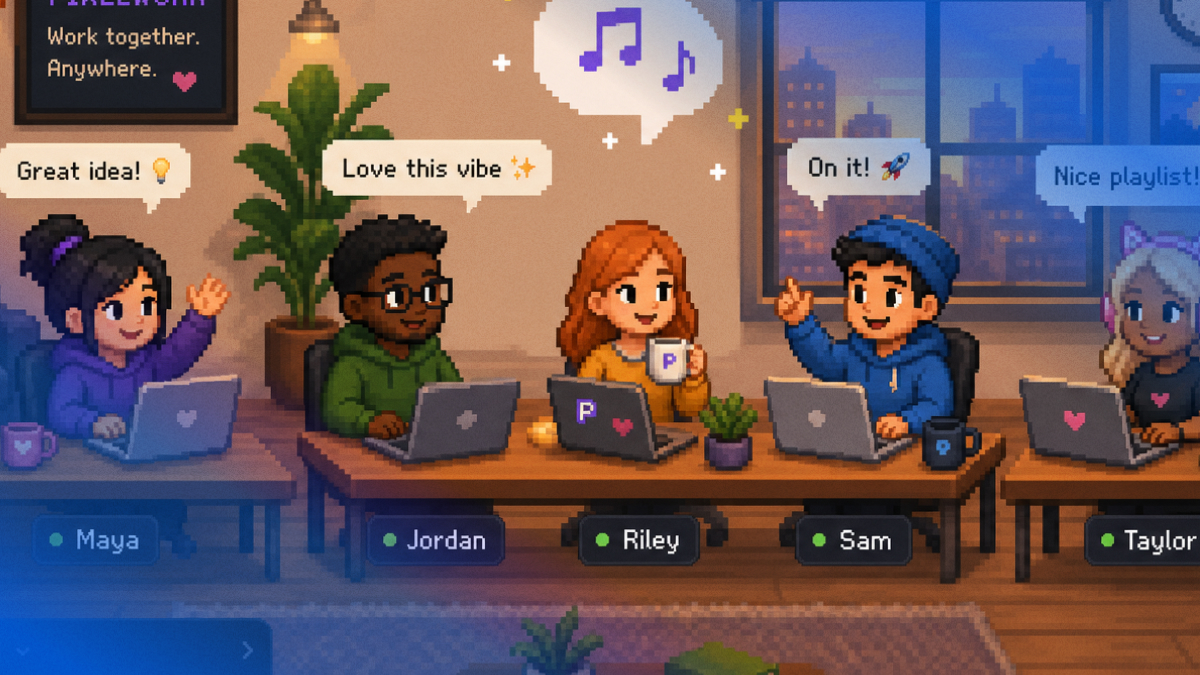
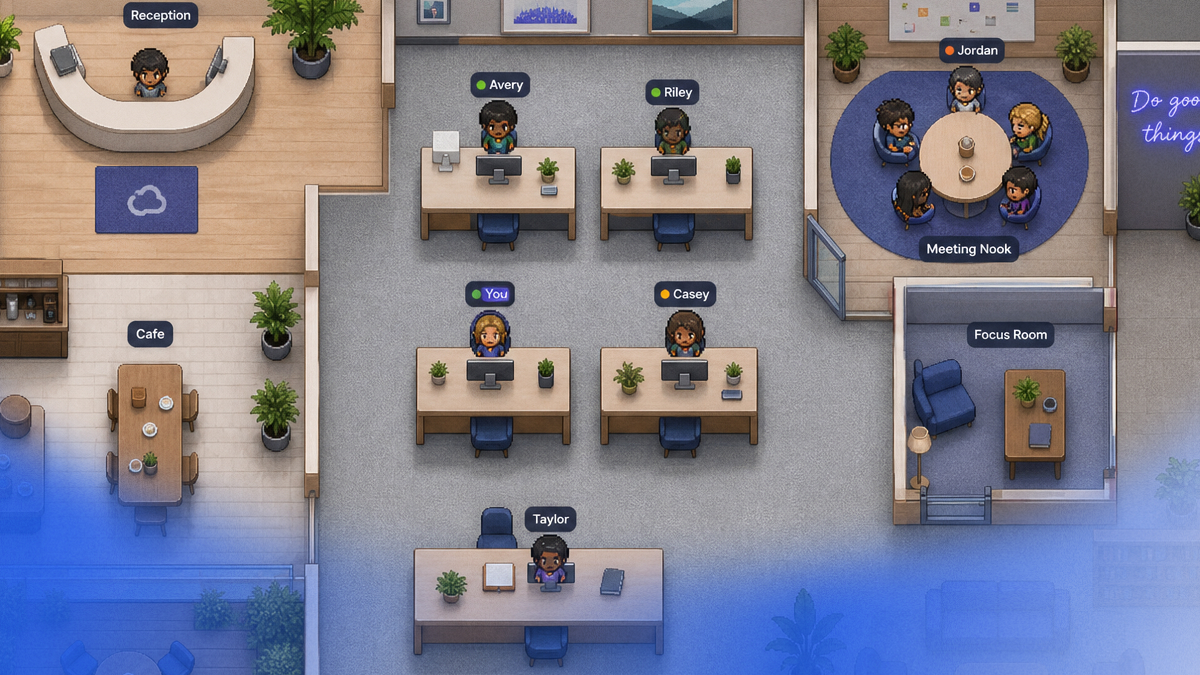
One of the most effective ways to combat employee turnover is to replicate the spontaneous interactions of a physical office. Tools like Hurbly.ai provide virtual office environments that show who is available, focused, or in a meeting. This visibility reduces the friction of remote communication. When employees feel they can reach out to a colleague as easily as walking to a desk, they feel more integrated into the team. This integration is a critical factor in reducing employee turnover, as it mimics the social fabric of a traditional workplace.
High employee turnover is often linked to the exhaustion caused by "meeting fatigue." In many remote setups, every interaction requires a scheduled video call, which can feel intrusive and draining. Platforms that allow for instant, unscheduled conversations help alleviate this pressure. By enabling quick syncs without the need for calendar invites, companies can improve daily workflows. This efficiency not only boosts productivity but also lowers the stress levels that often contribute to high employee turnover rates in the tech and service sectors.
Data-Driven Approaches to Minimize Staff Attrition
To manage employee turnover effectively, managers need to monitor engagement levels without micromanaging. Analyzing patterns in communication and availability can provide early warning signs of burnout. If an employee becomes increasingly isolated or stops participating in spontaneous team interactions, it may indicate a high risk of employee turnover. Addressing these issues early through one-on-one support or adjustments in workload can prevent a resignation before it happens.
| Factor | Impact on Employee Turnover | Mitigation Strategy |
|---|---|---|
| Isolation | High | Use virtual office tools to foster presence. |
| Communication Gaps | Medium | Implement real-time status indicators. |
| Meeting Fatigue | High | Encourage spontaneous, short audio chats. |
| Lack of Recognition | Medium | Create transparent, visible workflows. |
Structured feedback loops are also essential in reducing employee turnover. By the year 2026, top-performing companies have moved away from annual reviews in favor of continuous feedback. When employees receive regular recognition and understand their career path within the company, the likelihood of employee turnover decreases. Transparency regarding company goals and individual contributions ensures that every team member feels valued and essential to the organization's success.
Building a Resilient Remote Culture
A resilient culture is the strongest defense against employee turnover. This involves creating an environment where information flows freely and social barriers are minimized. Using Hurbly.ai helps teams maintain a "digital heartbeat," where the presence of others is felt throughout the day. This constant, non-intrusive connection helps prevent the feelings of loneliness that often drive employee turnover in fully remote or hybrid organizations.
- Promote Transparency: Use real-time presence indicators so everyone knows what is happening in the virtual office.
- Encourage Spontaneity: Allow for quick, informal interactions to replace long, scheduled meetings.
- Foster Social Bonds: Create digital spaces for non-work-related conversations to build trust.
- Monitor Work-Life Balance: Ensure that "availability" does not mean "always on" to prevent burnout-related employee turnover.
Finally, reducing employee turnover requires a commitment to psychological safety. Employees need to feel safe expressing concerns or asking for help without fear of judgment. When a company prioritizes the mental well-being and social connectivity of its staff, it creates a loyal workforce. By investing in the right communication technology and cultural practices, organizations can significantly lower their employee turnover and build a more productive, cohesive team for the future.