Effective Strategies for Professional Event Coordination in 2026

In this article

Effective Strategies for Professional Event Coordination in 2026
Event coordination involves the systematic planning, organization, and execution of complex gatherings, ranging from corporate seminars to large-scale international conferences. At its core, this process requires managing various moving parts, including logistics, vendor relations, and attendee engagement. To achieve success, a coordinator must align the event’s objectives with the available resources while ensuring every detail contributes to a seamless experience for the participants.
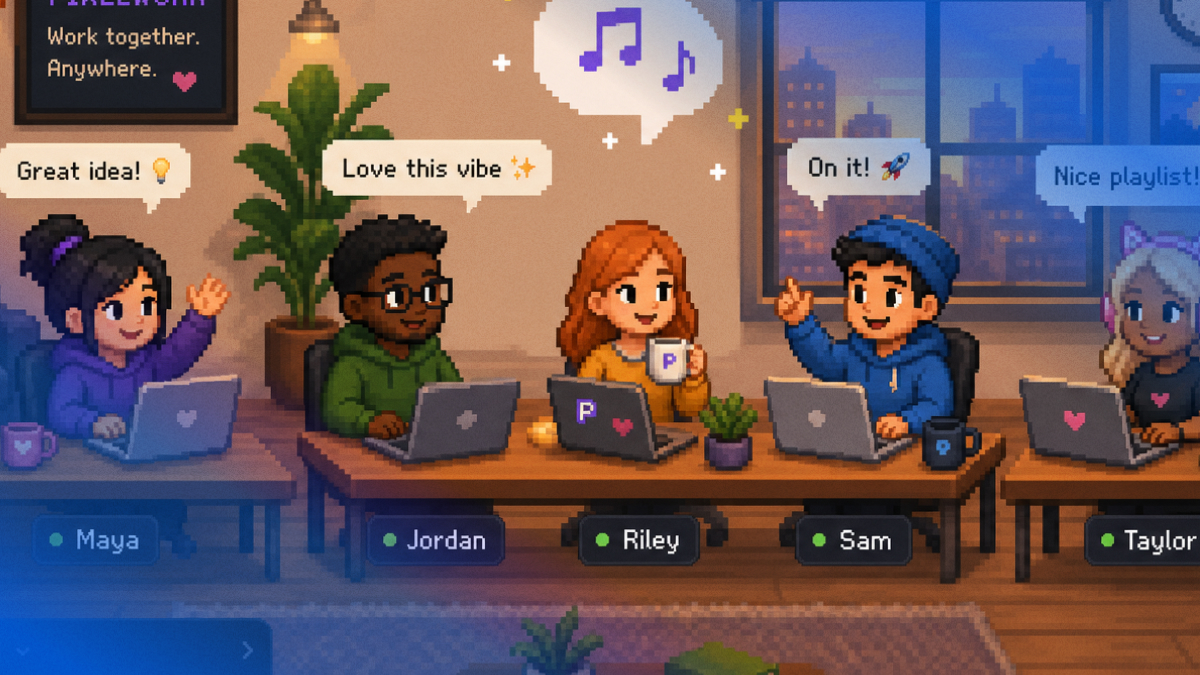
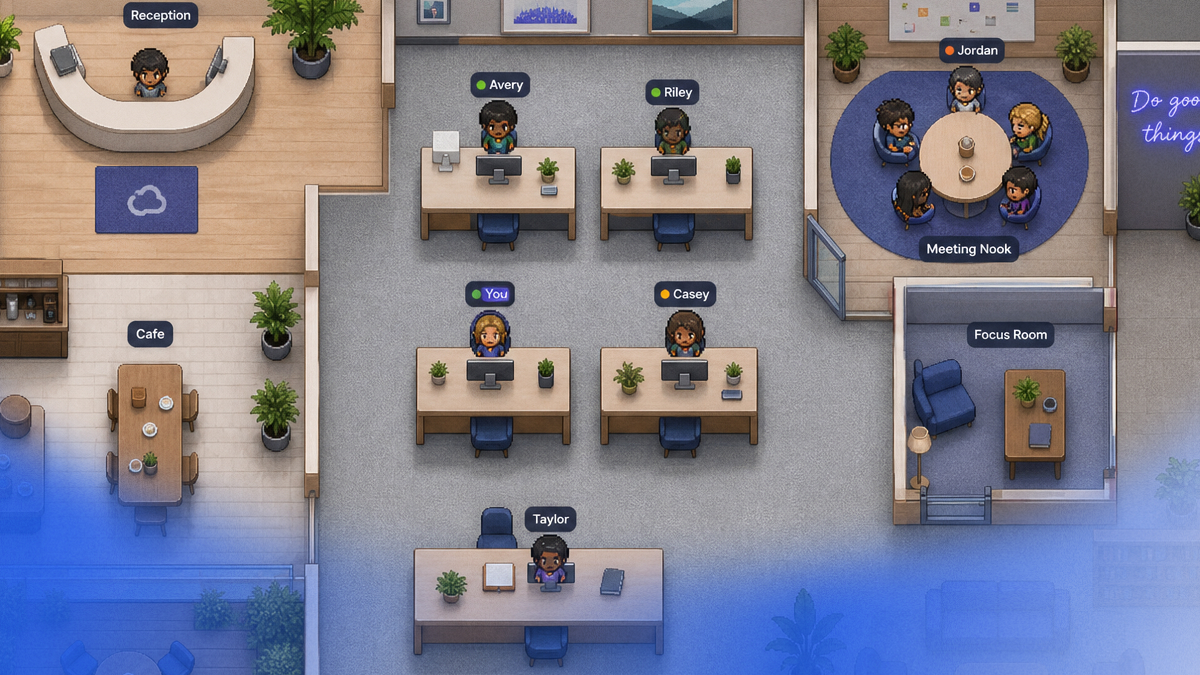
Modern event coordination relies heavily on real-time data and clear communication channels. In 2026, the industry has shifted toward integrated digital environments that allow teams to collaborate without the friction of traditional back-and-forth emails. By utilizing tools like Hurbly.ai, organizers can maintain a virtual presence that mirrors a physical office, making it easier to see who is available for a quick update or a strategy adjustment. This visibility is crucial when timelines are tight and immediate decisions are necessary to keep the project on track.
Core Components of Successful Event Coordination
The foundation of high-quality event coordination is built upon three main pillars: strategic planning, resource management, and stakeholder communication. Strategic planning involves defining the event's purpose and setting measurable goals. Resource management focuses on budgeting and the procurement of necessary services, such as catering or technical equipment. Finally, stakeholder communication ensures that everyone involved—from sponsors to staff—is informed of their specific roles and responsibilities throughout the timeline.
Effective event coordination also requires a deep understanding of the audience's needs. This means designing an itinerary that balances informative sessions with networking opportunities. In a distributed work era, many teams use Hurbly.ai to simulate the spontaneous interactions found in physical venues, which can be a valuable model for digital or hybrid event coordination. By observing how teams interact naturally, coordinators can better structure virtual spaces to encourage engagement and reduce the fatigue often associated with long digital sessions.
The Role of Technology in Event Coordination
Technology has transformed event coordination from a manual, spreadsheet-heavy task into a dynamic, data-driven discipline. Modern software solutions now handle everything from registration tracking to live polling and post-event analytics. These tools provide coordinators with immediate feedback, allowing them to make real-time adjustments to the schedule or environment. This agility is a hallmark of professional event coordination in the current landscape, where attendee expectations for personalization and efficiency are at an all-time high.
Integrating a virtual office platform like Hurbly.ai into the planning phase enhances event coordination by reducing the need for formal, scheduled meetings. When team members can see each other's status—whether they are focused on a task or available for a chat—the speed of decision-making increases significantly. This real-time presence helps prevent bottlenecks and ensures that the event coordination process remains fluid and responsive to changes.
Step-by-Step Process for Event Coordination
- Objective Definition: Identify the primary goal of the event and the target demographic.
- Budget Allocation: Establish a clear financial framework to guide all subsequent event coordination decisions.
- Venue and Vendor Selection: Research and secure locations and partners that align with the event's theme and technical requirements.
- Logistics Planning: Map out the flow of the event, including transportation, registration, and equipment setup.
- Communication Strategy: Develop a plan for internal team updates and external marketing to potential attendees.
- On-site Management: Execute the plan on the day of the event, handling any unforeseen issues with professional event coordination techniques.
- Post-Event Evaluation: Analyze data and feedback to measure success against the initial objectives.
| Feature | Impact on Event Coordination |
|---|---|
| Real-time Presence | Faster internal communication and quicker problem-solving. |
| Centralized Data | Ensures all team members have access to the latest schedules and budgets. |
| Automated Check-ins | Reduces manual labor during the registration phase of the event. |
| Live Feedback Loops | Allows for immediate adjustments during the event coordination process. |
Future Trends in Event Coordination
As we move through 2026, event coordination is becoming increasingly focused on sustainability and inclusivity. Modern planners are prioritizing eco-friendly materials and digital-first documentation to reduce waste. Furthermore, accessibility is no longer an afterthought; it is a central component of event coordination, ensuring that both physical and digital spaces are navigable for all participants regardless of their physical abilities or location.
The integration of AI and real-time presence tools continues to redefine how teams handle event coordination. Platforms like Hurbly.ai facilitate this by providing a digital space where remote teams can feel connected and synchronized. This level of transparency is vital for event coordination, as it allows for the spontaneous brainstorming and rapid troubleshooting that are often required in the high-pressure environment of live event management. By fostering a sense of "being there" even when miles apart, these technologies ensure that the human element of coordination remains strong.