Essential Guide for the Modern Event Coordinator in 2026

In this article

Essential Guide for the Modern Event Coordinator in 2026
An event coordinator serves as the primary architect for professional gatherings, responsible for the logistical framework that allows conferences, weddings, and corporate summits to function. In 2026, the role has evolved beyond simple scheduling to include the management of complex digital ecosystems and hybrid environments. The core responsibility of an event coordinator is to transform a conceptual vision into a tangible, operational reality by managing vendors, budgets, and timelines with precision.
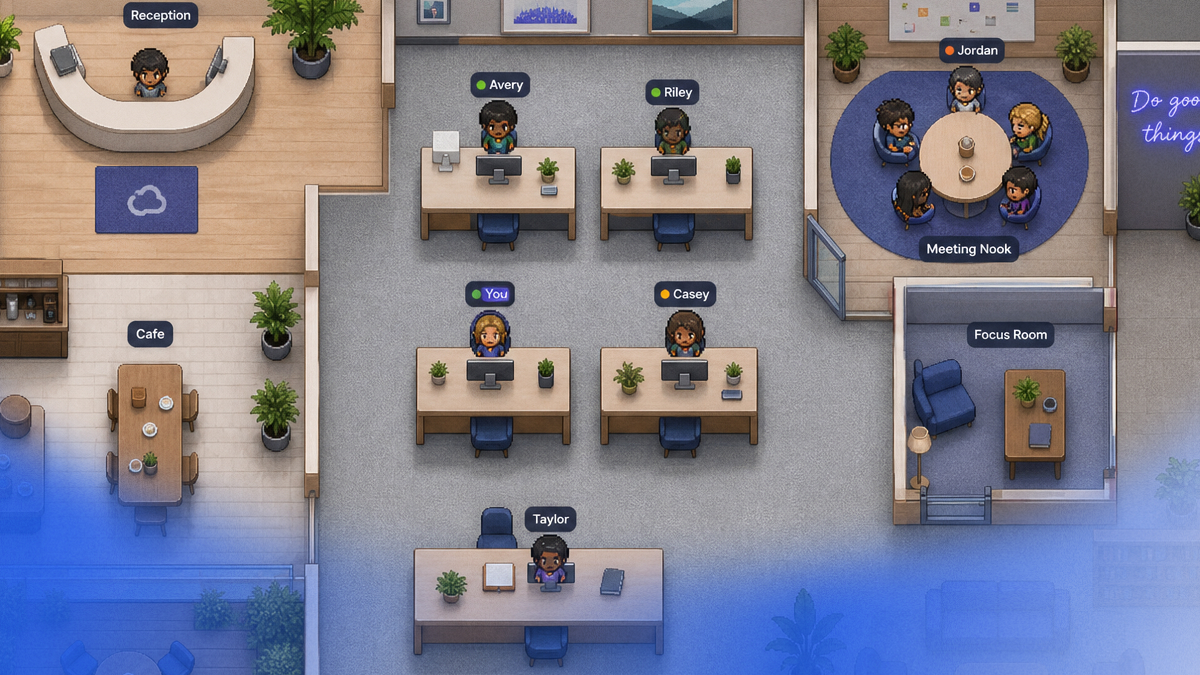
Effective planning requires an event coordinator to possess a diverse skill set, ranging from contract negotiation to technical troubleshooting. Because these professionals often manage multiple stakeholders simultaneously, they must maintain a high level of organizational clarity. For distributed teams managing these logistics, platforms like Hurbly.ai provide the necessary real-time visibility to ensure that every event coordinator on the team is aligned and available for immediate decision-making.
Core Responsibilities of an Event Coordinator
The daily operations of an event coordinator involve a series of structured phases, starting from the initial briefing to the post-event analysis. During the pre-production phase, the event coordinator researches venues, secures permits, and establishes a comprehensive project timeline. This phase is critical because it sets the financial and operational boundaries for the entire project, ensuring that resources are allocated efficiently without compromising the quality of the attendee experience.
During the execution phase, the event coordinator acts as the central point of communication. They oversee the setup of audiovisual equipment, manage catering schedules, and ensure that guest registration flows smoothly. If a technical issue arises or a speaker is delayed, the event coordinator must implement contingency plans instantly. This role requires constant presence and the ability to solve problems under pressure while maintaining a professional demeanor for all participants.
Essential Skills for Success in Event Management
To excel in this field, an event coordinator must master specific technical and interpersonal competencies. Clear communication is the most vital tool, as the event coordinator must translate client needs into actionable instructions for technical crews and service staff. Furthermore, financial literacy is indispensable, as managing large-scale budgets requires constant monitoring of expenses to prevent overruns.
| Skill Category | Specific Competency | Importance for the Event Coordinator |
|---|---|---|
| Logistics | Vendor Management | Ensures all third-party services meet quality standards. |
| Technology | Hybrid Platform Proficiency | Allows the event coordinator to manage virtual and physical audiences. |
| Soft Skills | Crisis Management | Enables the event coordinator to handle unexpected disruptions calmly. |
| Organization | Time Tracking | Keeps the project on schedule through various milestones. |
Beyond these technical skills, a modern event coordinator benefits from using collaborative tools that simulate a physical office environment. Using Hurbly.ai helps an event coordinator see exactly when their colleagues are available for a quick sync, reducing the need for long email chains and improving the speed of the planning process.
Strategic Planning and Execution Workflow
The workflow of a professional event coordinator typically follows a logical progression designed to minimize risk and maximize engagement. By following a standardized process, the event coordinator can ensure that no detail is overlooked.
- Discovery and Goal Setting: The event coordinator defines the objectives, target audience, and key performance indicators (KPIs).
- Budget Development: Creating a detailed financial map that includes buffers for emergency expenses.
- Vendor Selection: Sourcing and vetting partners for catering, security, and technology.
- On-site Management: The event coordinator directs the live operation, managing the "run of show" document.
- Evaluation: Analyzing feedback and financial data to measure the success of the event.
This structured approach allows the event coordinator to maintain control over complex variables. In 2026, the integration of real-time presence tools like Hurbly.ai has become a standard practice for the event coordinator working within a remote agency, as it facilitates the spontaneous collaboration needed to finalize last-minute logistical changes. By maintaining high visibility and clear communication, the event coordinator ensures a seamless experience for every attendee.