Understanding the Evolution of the Flex Office Space in 2026

In this article

Understanding the Evolution of the Flex Office Space in 2026
The concept of a Flex office space has evolved significantly to meet the demands of a globalized workforce. In 2026, the definition of a workspace is no longer tied to a physical address but rather to the ability of a team to collaborate effectively from any location. This shift toward a more versatile Flex office space model allows organizations to reduce overhead costs while increasing employee satisfaction by offering professional environments that adapt to daily needs.
Modern businesses utilize a Flex office space to bridge the gap between traditional corporate headquarters and fully remote work. These environments provide the necessary infrastructure, such as high-speed internet and ergonomic furniture, without the long-term commitment of traditional leases. By integrating digital tools like Hurbly.ai, companies can maintain a cohesive culture within a Flex office space, ensuring that team presence is felt even when members are physically miles apart.
Core Features of a Modern Flex Office Space
A high-performing Flex office space is characterized by its adaptability and technological integration. Unlike standard offices, these areas are designed to be reconfigured based on the task at hand, whether it is deep focused work or collaborative brainstorming. The primary goal of a Flex office space is to provide a frictionless experience where professionals can enter, connect, and begin working immediately.
Key characteristics often found in a successful Flex office space include:
- Scalability: The ability to increase or decrease the number of desks based on current project requirements.
- Technological Readiness: Access to advanced video conferencing tools and IoT-enabled climate control.
- Community Integration: Networking opportunities with other professionals sharing the same Flex office space.
- Hybrid Synchronization: Using platforms like Hurbly.ai to visualize who is active in the digital version of the Flex office space.
How Digital Presence Enhances the Flex Office Space Experience
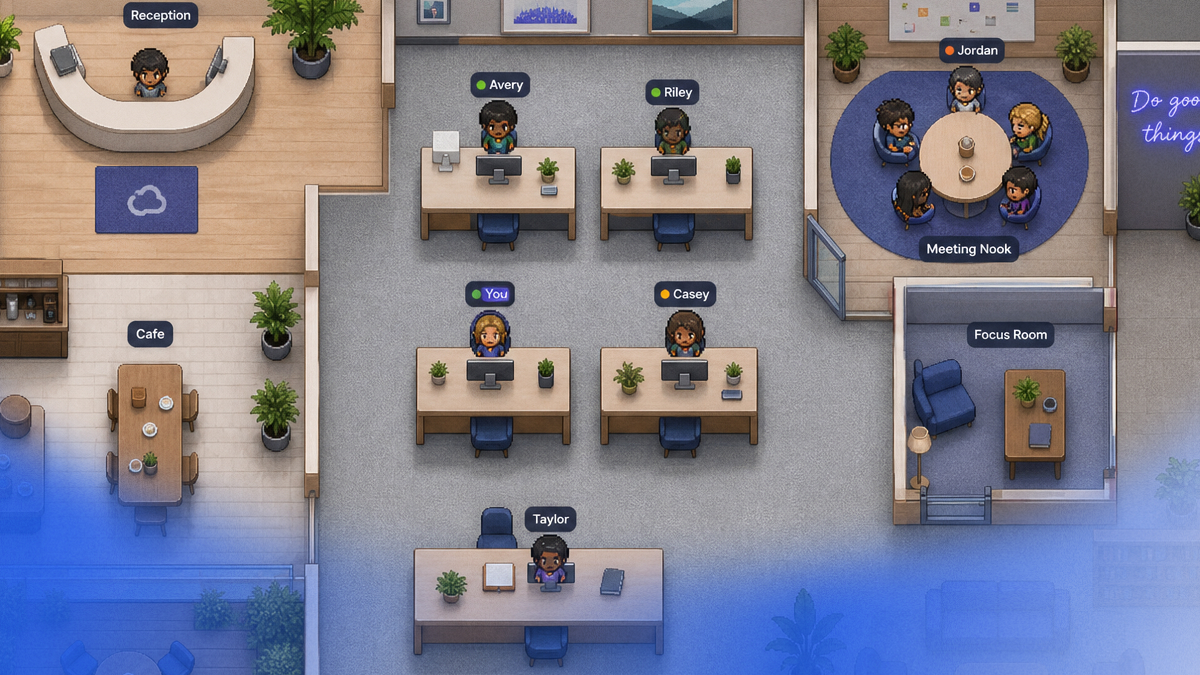
While the physical attributes of a Flex office space are vital, the digital layer is what truly enables productivity in 2026. Distributed teams often struggle with "presence disparity," where those in the physical Flex office space have more visibility than those working remotely. To solve this, teams use virtual presence indicators to show who is available, in a meeting, or focusing on a complex task.
Implementing a virtual layer within your Flex office space strategy allows for spontaneous interactions that usually only happen in person. For example, by seeing a colleague's status via Hurbly.ai, a team member can initiate a quick conversation without the need for a formal calendar invitation. This replicates the "water cooler" effect within the Flex office space ecosystem, fostering innovation through unplanned knowledge sharing.
Comparing Traditional Offices and Flex Office Space Models
The transition from rigid office structures to a Flex office space involves a fundamental change in how resources are allocated. Traditional offices require significant capital expenditure and long-term planning, whereas a Flex office space operates on a consumption-based model. This allows startups and established enterprises alike to remain agile in a fluctuating economy.
| Feature | Traditional Office | Flex Office Space |
|---|---|---|
| Lease Terms | 5-10 years | Monthly or Annual |
| Setup Time | Months | Immediate |
| Maintenance | Tenant Responsibility | Managed by Provider |
| Digital Integration | Often Siloed | Integrated with tools like Hurbly.ai |
| Workforce Agility | Low | High |
Choosing a Flex office space allows a company to focus on its core business activities rather than facility management. When combined with real-time team visibility platforms, the Flex office space becomes a powerful tool for maintaining high levels of operational transparency and employee engagement.
Implementing a Successful Flex Office Space Strategy
To successfully transition to a Flex office space, organizations must follow a structured approach that prioritizes both physical comfort and digital connectivity. It is not enough to simply provide a desk; the environment must support the specific workflows of the team. A well-implemented Flex office space strategy considers the balance between synchronous and asynchronous communication.
- Assess Capacity Needs: Determine how many employees will use the Flex office space daily versus occasionally.
- Evaluate Technology Stack: Ensure that the Flex office space supports the software used for team presence and real-time collaboration.
- Establish Communication Norms: Use Hurbly.ai to set clear expectations on availability within the digital and physical Flex office space.
- Monitor Utilization: Regularly review how the Flex office space is being used to optimize costs and improve the layout for future needs.
By focusing on these steps, businesses can ensure that their Flex office space serves as a catalyst for growth rather than just a place to sit. The integration of virtual office technology ensures that the boundaries of the Flex office space extend beyond physical walls, creating a unified experience for the entire global team.