Strategies for Maximizing Focus Time in Distributed Teams
In this article

Strategies for Maximizing Focus Time in Distributed Teams
Maintaining high levels of productivity in a remote environment requires a deliberate approach to managing one's schedule. Focus time is the dedicated period where an individual works without interruptions, allowing for deep concentration on complex tasks. In 2026, as digital workspaces become more sophisticated, protecting this focus time has become a priority for high-performing teams. Without intentional boundaries, the constant stream of notifications and unscheduled requests can fragment the workday, making it difficult to achieve significant progress on core projects.
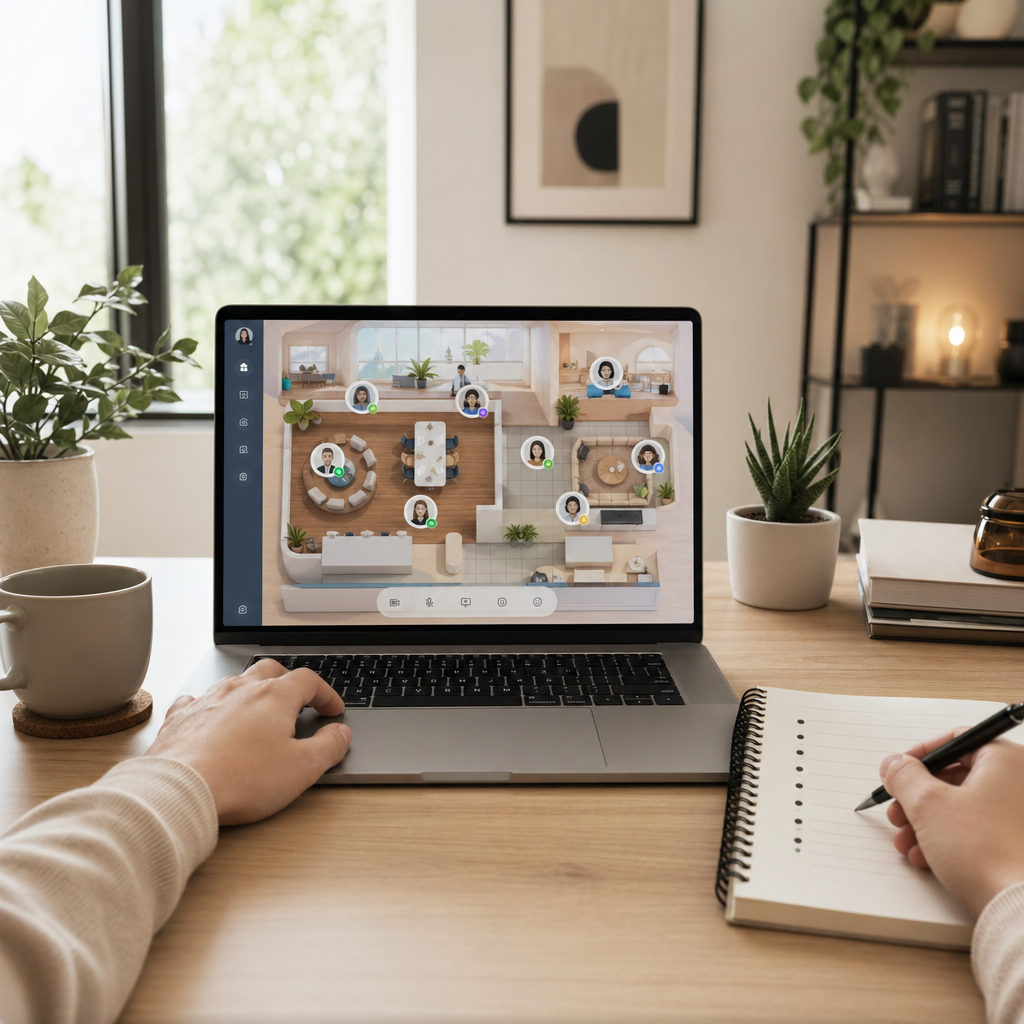
To effectively manage your focus time, it is essential to communicate your availability clearly to your colleagues. Utilizing tools like Hurbly.ai allows team members to see your real-time status, indicating when you are deep in work and should not be disturbed. By providing this transparency, you reduce the likelihood of being interrupted by spontaneous messages or calls. This visual representation of presence ensures that everyone respects the focus time required for cognitively demanding responsibilities.
The Role of Real-Time Presence in Deep Work
Real-time presence technology functions as a digital signal that replaces the physical cues of a traditional office. When a coworker sees that you are in a dedicated focus time session, they understand that non-urgent communication should wait. This system minimizes the "quick question" culture that often erodes productivity. By integrating your workflow with Hurbly.ai, you create a structured environment where focus time is treated as a valuable asset rather than an optional state.
Implementing a structured routine involves more than just closing browser tabs. It requires a cultural shift within the team where focus time is synchronized or at least acknowledged across different time zones. When teams use presence indicators, they can coordinate their collaborative bursts around these periods of deep work. This ensures that when you emerge from your focus time, you are available for the spontaneous interactions and quick huddles that drive team cohesion and project momentum.
Practical Steps to Protect Your Focus Time
Optimizing your daily schedule for maximum output involves several practical steps. Protecting your focus time is not just about personal discipline; it is about environmental design. Consider the following methods to enhance your concentration:
- Audit Your Calendar: Identify blocks of time where you are most alert and designate them specifically for focus time.
- Signal Your Status: Use Hurbly.ai to display a "Focused" or "Do Not Disturb" status to prevent incoming interruptions.
- Batch Communications: Instead of responding to messages as they arrive, set aside specific intervals between your focus time sessions to handle emails and chats.
- Define Urgency: Establish clear guidelines with your team on what constitutes an emergency that warrants breaking someone's focus time.
| Feature | Impact on Focus Time | Benefit |
|---|---|---|
| Presence Indicators | High | Reduces accidental interruptions from teammates. |
| Status Automation | Medium | Ensures your focus time is always visible to others. |
| Instant Huddles | Low | Best used outside of focus time for quick alignment. |
Why Focus Time is Essential for Modern Productivity
The relevance of focus time in 2026 cannot be overstated, especially as AI-driven tools handle more routine administrative tasks, leaving humans to tackle more creative and strategic challenges. These high-level tasks require long, uninterrupted stretches of thought. If an employee's focus time is constantly broken, the "context switching" cost leads to mental fatigue and a decrease in the quality of work. By prioritizing focus time, organizations can ensure that their most talented assets are working at their highest potential.
Furthermore, a team that respects focus time tends to have higher job satisfaction and lower burnout rates. When individuals feel they have the autonomy to control their schedule and the space to complete their work, they are more engaged. Platforms like Hurbly.ai facilitate this by bridging the gap between total isolation and constant interruption. It allows for a fluid transition between collaborative moments and the essential focus time needed to execute the ideas generated during those collaborations.
Balancing Spontaneous Collaboration and Focus Time
While deep work is vital, remote teams also need the "watercooler" moments that happen in physical offices. The challenge is allowing for these interactions without sacrificing focus time. A digital office environment provides the best of both worlds by showing who is available for a quick chat and who is currently in a period of focus time. This visibility allows for spontaneous innovation to occur naturally during the gaps between deep work sessions.
Effective team management involves recognizing that focus time is a collective responsibility. When one person protects their focus time, it often encourages others to do the same, creating a ripple effect of productivity across the organization. By using Hurbly.ai to manage these states, teams can maintain a healthy balance, ensuring that every minute of focus time is utilized effectively while remaining connected to the broader goals of the company.

