Essential Features of Free Video Call Apps for Remote Teams in 2026
In this article

Essential Features of Free Video Call Apps for Remote Teams in 2026
Effective communication in a digital workspace relies heavily on the quality and accessibility of free video call apps. These tools function by transmitting synchronized audio and video data over the internet, allowing individuals in different geographic locations to interact in real time. For remote teams, these applications are the primary method for conducting face-to-peer meetings, brainstorming sessions, and project updates. High-quality free video call apps use advanced compression algorithms to ensure that video remains stable even when bandwidth fluctuates, which is critical for maintaining professional standards during remote collaboration.
The relevance of free video call apps has grown as the global workforce shifts toward permanent hybrid models. These platforms reduce the operational costs of physical infrastructure while maintaining the human element of interaction. Beyond simple visual communication, modern free video call apps often include integrated features such as screen sharing, encrypted messaging, and collaborative whiteboards. These additions transform a basic video stream into a comprehensive workspace where teams can solve complex problems together without physical proximity.
How Modern Free Video Call Apps Facilitate Real-Time Presence
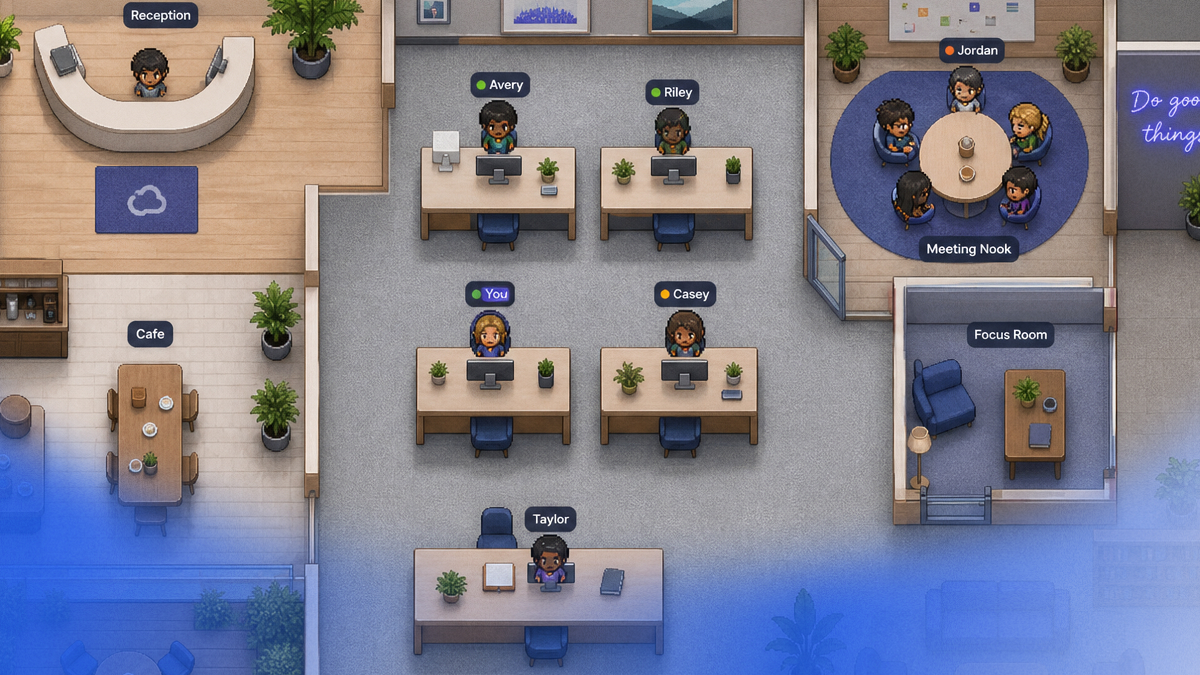
While traditional free video call apps are excellent for scheduled meetings, they often lack the spontaneity found in physical offices. This is where the integration of presence technology becomes vital. Platforms like Hurbly.ai complement the use of free video call apps by providing a visual map of who is currently available, focused on a task, or already in a meeting. This real-time visibility prevents the common friction of "pinging" a coworker to see if they are free before starting a conversation.
By using presence indicators alongside your preferred free video call apps, teams can replicate the "tap on the shoulder" culture of a physical office. Instead of sending a calendar invite for a five-minute question, a user can see that a colleague is available and initiate a quick interaction. This synergy between presence-tracking software and free video call apps creates a more fluid environment where information flows naturally, reducing the fatigue often associated with back-to-back scheduled video conferences.
Comparing Communication Methods in Digital Workspaces
When selecting between various free video call apps, it is helpful to understand how different communication methods serve specific team needs. The following table illustrates how these tools function within a modern workflow:
| Communication Type | Primary Use Case | Integration with Free Video Call Apps |
|---|---|---|
| Asynchronous Messaging | Non-urgent updates and file sharing. | Used to share links for upcoming video sessions. |
| Scheduled Video Calls | Formal presentations and client meetings. | Core function of most free video call apps. |
| Spontaneous Interaction | Quick questions and casual check-ins. | Enabled by combining presence data with video tools. |
| Collaborative Editing | Real-time document or code adjustments. | Often embedded within advanced free video call apps. |
The effectiveness of free video call apps is maximized when they are part of a broader ecosystem. For instance, knowing a teammate's status through a platform like Hurbly.ai allows a user to choose the right moment to launch one of their free video call apps. This targeted approach to communication ensures that meetings are necessary and productive rather than intrusive.
Steps to Optimize Your Experience with Free Video Call Apps
To get the most out of free video call apps in 2026, teams should follow a structured approach to setup and usage. This ensures technical reliability and improves the overall quality of the interaction.
- Verify Hardware Compatibility: Ensure that microphones and cameras are properly configured within the settings of your free video call apps before a meeting starts.
- Assess Connection Stability: Use a wired connection or high-speed Wi-Fi to prevent lag, which is a common issue in many free video call apps during high-definition streaming.
- Implement Presence Tools: Use a tool like Hurbly.ai to signal your availability to the team, so they know when it is appropriate to engage you via free video call apps.
- Set Communication Norms: Establish clear guidelines on when to use text-based chat versus when to escalate the conversation to one of your free video call apps.
Following these steps helps in reducing "meeting fatigue." When free video call apps are used intentionally and supported by real-time presence data, the digital office becomes a more organized and less stressful environment.
The Role of Spontaneity in Remote Collaboration
One of the biggest challenges in remote work is the loss of informal "watercooler" moments. Standard free video call apps are typically designed for pre-planned events, which can make the remote experience feel rigid and overly formal. However, by utilizing presence-aware platforms, teams can use free video call apps for quick, informal huddles that happen naturally throughout the workday. This mimics the organic collaboration that occurs when coworkers sit near each other in a physical building.
Hurbly.ai addresses this gap by showing exactly who is at their desk and ready to talk. When a user sees a "green" status, they can feel confident using their free video call apps to reach out without the fear of interrupting a deep-work session. This balance of visibility and accessibility is what distinguishes a high-performing remote team from one that struggles with communication silos. Ultimately, the goal of using free video call apps should be to foster a connected, transparent, and efficient workplace regardless of where the employees are located.