Understanding the Great Resignation: Impact on Remote Work and Team Connectivity in 2026
In this article

Understanding the Great Resignation: Impact on Remote Work and Team Connectivity in 2026
The Great Resignation refers to a significant economic trend where employees voluntarily left their jobs in record numbers. While the movement began in the early 2020s, its effects are still deeply felt across the global labor market in 2026. This shift was not merely a temporary reaction to global events but a fundamental change in how workers perceive the value of their time, their environment, and their relationship with employers.
In the current landscape, the Great Resignation serves as a historical benchmark for employee autonomy. Organizations that failed to adapt to the demand for flexibility saw rapid turnover, while those that embraced remote and distributed models found new ways to maintain productivity. Understanding the drivers behind this movement is essential for any business aiming to build a sustainable and loyal workforce in a digital-first world.
The legacy of the Great Resignation in 2026 highlights the importance of professional fulfillment over simple compensation. Workers now prioritize environments that offer clear communication and a sense of belonging, regardless of their physical location. This shift has forced companies to move away from traditional management styles toward more transparent, presence-based collaboration methods.
The Primary Drivers Behind the Great Resignation
One of the core reasons for the Great Resignation was the widespread feeling of professional isolation. As teams moved to remote settings, the lack of spontaneous interaction led to a decline in company culture. Employees felt like "cogs in a machine" rather than members of a team, which accelerated their decision to seek new opportunities.
Burnout also played a critical role during the height of the Great Resignation. The blurring of lines between home and work life meant that many employees were working longer hours without the social support found in physical offices. Without a way to signal availability or focus time, workers were constantly interrupted by unscheduled notifications, leading to cognitive fatigue.
Finally, the Great Resignation was fueled by a desire for better work-life integration. Employees realized that they could perform their duties effectively from anywhere, provided they had the right tools. This realization shifted the power dynamic, making flexibility a non-negotiable requirement for top talent in 2026.
How Virtual Offices Address Post-Great Resignation Challenges
To combat the high turnover rates associated with the Great Resignation, companies are increasingly adopting virtual office platforms. A virtual office, such as Hurbly.ai, functions as a digital layer that replicates the presence and visibility of a physical workspace. By showing who is available, busy, or in a meeting in real-time, these platforms reduce the friction of remote coordination.
The use of presence indicators helps mitigate the "always-on" culture that contributed to the Great Resignation. When a team member can see that a colleague is in "Deep Work" mode, they are less likely to send an interrupting message. This respect for focus time improves mental well-being and helps retain employees who might otherwise feel overwhelmed by digital noise.
Furthermore, platforms like Hurbly.ai facilitate spontaneous interactions, which were lost during the initial stages of the Great Resignation. Being able to see a coworker's status and start a quick conversation without a scheduled calendar invite restores the social fabric of the team. This connectivity is vital for preventing the feelings of detachment that often lead to resignations.
Strategic Benefits of Real-Time Team Visibility
The Great Resignation taught organizations that transparency is a key factor in employee retention. When managers and peers have visibility into team availability, it builds trust. Employees no longer feel the need to "perform" presence by being constantly active on chat apps; instead, their actual status is visible to everyone through a unified interface.
Implementing these visibility tools helps solve the following issues identified during the Great Resignation:
- Reduction in Meeting Fatigue: By seeing who is available for a quick chat, teams can avoid the need for 30-minute scheduled video calls for simple questions.
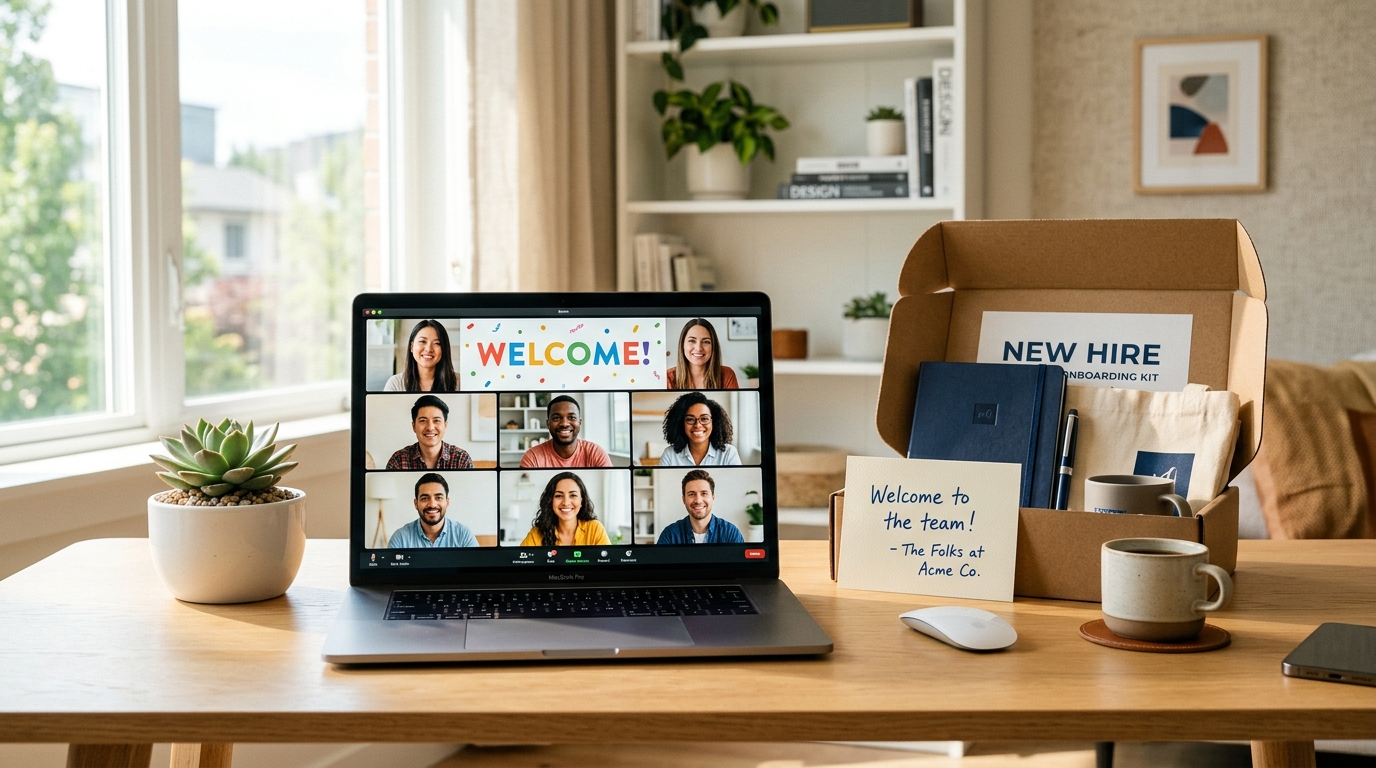
- Improved Onboarding: New hires often felt lost during the Great Resignation because they couldn't "see" their team. Virtual offices allow them to observe team dynamics and interact more naturally.
- Enhanced Accountability: Visibility creates a passive form of accountability where everyone knows the team is working together toward a common goal.
Comparing Communication Models in the 2026 Labor Market
The evolution of work since the Great Resignation has led to different approaches to team management. The table below compares traditional remote work tools with the presence-based virtual office model used today.
| Feature | Traditional Remote Tools | Presence-Based Platforms (Hurbly.ai) |
|---|---|---|
| Availability | Manual status updates (often outdated) | Real-time automated presence indicators |
| Interaction | Scheduled meetings and long chat threads | Spontaneous "walk-up" conversations |
| Visibility | Hidden silos; no sense of "who is around" | Visual map of the team and their current focus |
| Context | Requires asking "Are you free?" | Context is provided by the user's current status |
| Impact on Retention | Low; contributes to isolation | High; fosters connection and reduces burnout |
The transition from traditional tools to presence-based systems is a direct response to the lessons learned from the Great Resignation. By prioritizing human connection and clear boundaries, companies can create a more resilient workforce.
Long-Term Retention Strategies to Prevent a Second Great Resignation
To ensure that the factors leading to the Great Resignation do not repeat, organizations must focus on sustainable remote work practices. This involves more than just providing hardware; it requires a cultural shift toward asynchronous communication and intentional presence. Managers must be trained to lead distributed teams without resorting to micromanagement, which was a major complaint during the Great Resignation.
Another strategy to prevent a future Great Resignation is the implementation of "Focus Periods." By using a virtual office like Hurbly.ai, teams can set collective times where everyone is marked as "Focused," allowing for uninterrupted productivity. This practice protects the mental bandwidth of employees and demonstrates that the company values their output over their immediate availability.
Finally, maintaining a sense of community is the best defense against the Great Resignation. When employees feel connected to their colleagues and understand how their work contributes to the bigger picture, they are significantly less likely to leave. Investing in technology that supports these human needs is no longer optional; it is a requirement for any business operating in 2026.
Conclusion: The Future of Work After the Great Resignation
The Great Resignation was a turning point that redefined the modern workplace. It highlighted the flaws in traditional office-centric models and pushed the boundaries of what remote work could achieve. By learning from the Great Resignation, companies have discovered that flexibility and connectivity are not mutually exclusive.
Through the use of virtual office technology like Hurbly.ai, organizations can provide the autonomy employees crave while maintaining the team cohesion necessary for success. The Great Resignation ultimately served as a catalyst for a more empathetic and efficient way of working, ensuring that the global workforce remains engaged and productive in the years to come.

