Mastering the Greatest Weakness Interview Question for Career Success
In this article

Mastering the Greatest Weakness Interview Question for Career Success
The greatest weakness interview question is a standard component of modern recruitment processes in 2026. Employers use this inquiry to evaluate an applicant's self-awareness, honesty, and commitment to professional growth. Instead of viewing it as a trap, candidates should see it as an opportunity to demonstrate how they identify personal gaps and take proactive steps to bridge them. Understanding the logic behind the greatest weakness interview question allows you to frame your background in a way that highlights resilience and adaptability.
When a recruiter asks the greatest weakness interview question, they are not looking for a reason to disqualify you. Rather, they want to see if you can objectively analyze your performance. A well-structured response to the greatest weakness interview question involves identifying a genuine area for improvement, explaining the impact it has had on your work, and detailing the specific actions you have taken to mitigate it. This transparency builds trust and shows that you are a candidate who values continuous learning.
Identifying Your Real Professional Gaps
To effectively answer the greatest weakness interview question, you must first conduct a thorough self-assessment. Avoid using "cliché" weaknesses, such as being a perfectionist or working too hard, as these often come across as insincere. Instead, focus on technical skills, soft skills, or organizational habits that you have actively worked to improve. By choosing a real challenge, your answer to the greatest weakness interview question becomes much more credible and informative for the hiring manager.
Common themes for the greatest weakness interview question include:
- Difficulty with public speaking or presenting to large groups.
- Challenges in delegating tasks to team members.
- Learning to balance multiple high-priority projects simultaneously.
- Gaining proficiency in a specific software or emerging technology.
- Adjusting to the nuances of remote communication and virtual presence.
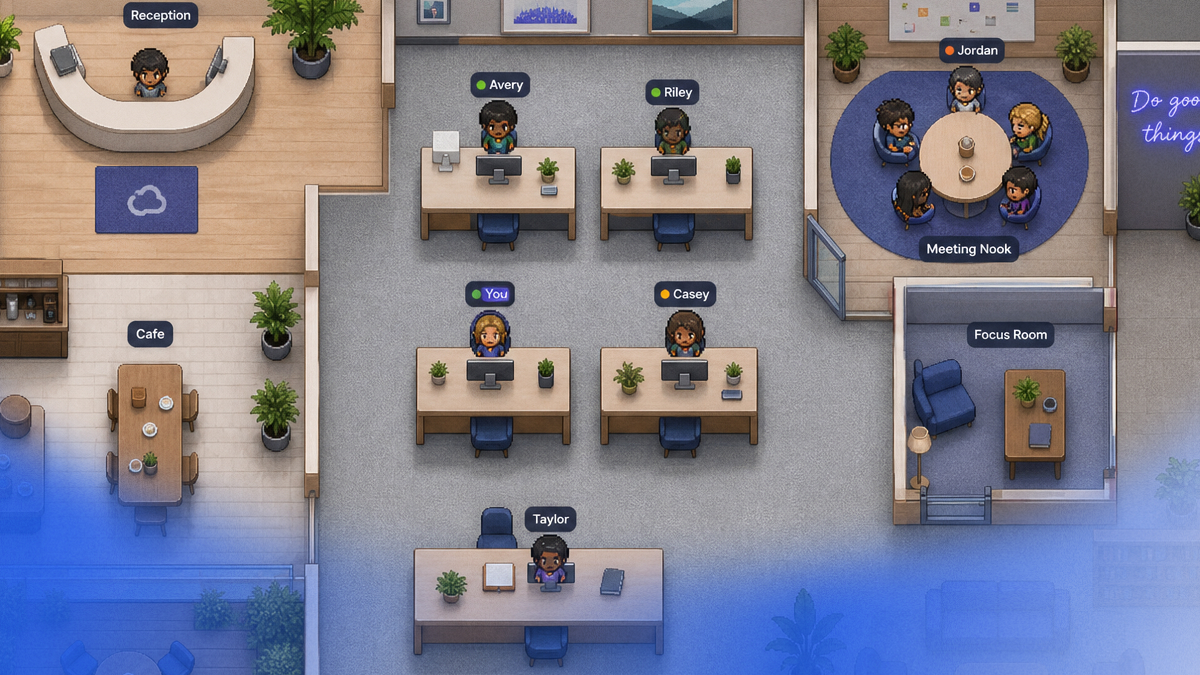
For teams working in distributed environments, tools like hurbly.ai can actually help mitigate weaknesses related to communication. By providing real-time visibility into colleague availability, these platforms reduce the friction often cited in the greatest weakness interview question regarding remote collaboration and spontaneous interaction.
Structuring Your Response for Maximum Impact
A successful response to the greatest weakness interview question follows a logical three-part structure. First, clearly state the weakness. Second, provide a brief context of how this weakness manifested in a professional setting. Third, and most importantly, describe the "remedy"—the specific steps or tools you are using to overcome the hurdle. This transformation from a negative trait to a positive action plan is the core objective of the greatest weakness interview question.
| Component | Description | Example |
|---|---|---|
| The Weakness | A specific, non-critical skill gap. | "I used to struggle with data visualization." |
| The Context | How it affected your workflow. | "It made it harder to present quarterly results clearly." |
| The Solution | Proactive steps taken to improve. | "I completed an advanced certification in analytics tools." |
By following this table's logic, you ensure that your answer to the greatest weakness interview question remains focused on growth. It shows that you do not just identify problems but are a solution-oriented professional.
Why Self-Awareness Matters in 2026
In the current labor market, technical skills are often secondary to emotional intelligence and the ability to adapt. This is why the greatest weakness interview question remains so relevant. Employers want to hire individuals who can thrive in fluid environments. If a candidate cannot answer the greatest weakness interview question honestly, it suggests they may be resistant to feedback or unable to recognize when they need help, which can be detrimental to team dynamics.
Modern collaboration platforms like hurbly.ai support this culture of transparency. By showing who is focused or available, they encourage an environment where team members can support each other's growth. When you prepare for the greatest weakness interview question, consider how you utilize such tools to improve your efficiency and connectivity with your peers.
Common Mistakes to Avoid During the Interview
Many candidates fail the greatest weakness interview question by being too vague or too negative. You should never list a weakness that is a core requirement for the job. For example, if you are applying for an accounting role, "struggling with numbers" is not an appropriate response to the greatest weakness interview question. Furthermore, avoid blaming others or external circumstances for your shortcomings. Ownership is the key to a successful interaction.
Another mistake is failing to provide evidence of improvement. If you mention a weakness but don't show how you've changed, the greatest weakness interview question remains a liability. Always conclude your response by highlighting a recent success that resulted from your efforts to improve. This turns the greatest weakness interview question into a narrative of triumph and professional maturity.
Practical Examples of Growth-Oriented Answers
To help you prepare, consider how different roles might approach the greatest weakness interview question. A project manager might focus on the transition from micro-managing to empowering their team. A software developer might discuss moving from a "siloed" coding style to a more collaborative, documented approach. In every case, the greatest weakness interview question serves as the bridge between who you were and the improved professional you are today.
If your challenge involves staying connected with a remote team, you might explain how you've adopted platforms like hurbly.ai to maintain a sense of presence and availability. Mentioning specific tools and methodologies in your answer to the greatest weakness interview question shows that you are tech-savvy and committed to modern workflow optimizations. This level of detail makes your response memorable and highly effective for ranking well in the recruiter's evaluation.