Effective Strategies for Using Group Meeting Apps in Remote Work Environments
In this article

Effective Strategies for Using Group Meeting Apps in Remote Work Environments
Effective communication in 2026 relies heavily on how teams integrate group meeting apps into their daily workflows. These digital tools serve as the primary infrastructure for synchronizing distributed teams, allowing members to share updates and solve problems in real time. To maximize productivity, organizations must move beyond simply installing software and instead focus on establishing clear protocols for when and how to engage with group meeting apps. This ensures that digital interactions remain purposeful rather than becoming a source of fatigue.
Modern group meeting apps function by creating persistent digital spaces where audio, video, and screen-sharing capabilities converge. When a team member initiates a session, the software manages data packets to ensure low-latency communication across different geographic regions. This technical foundation is what allows for the seamless exchange of complex information, making group meeting apps indispensable for project planning and collaborative brainstorming sessions that require immediate visual feedback.
Enhancing Team Presence and Spontaneous Collaboration
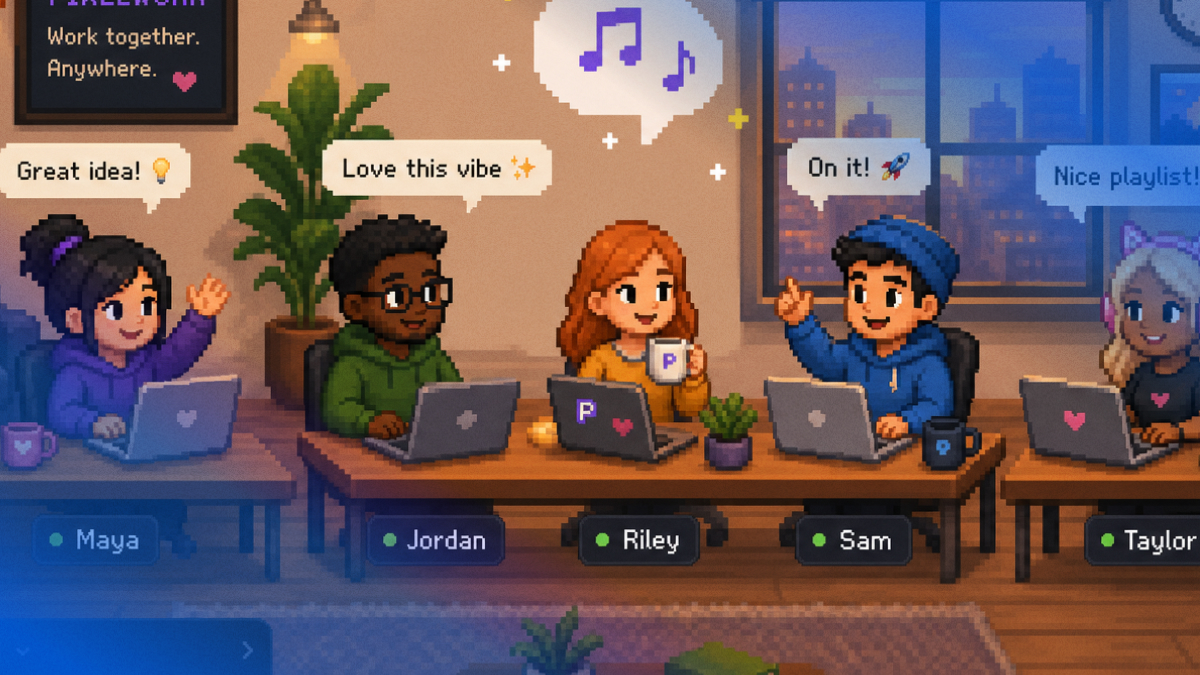
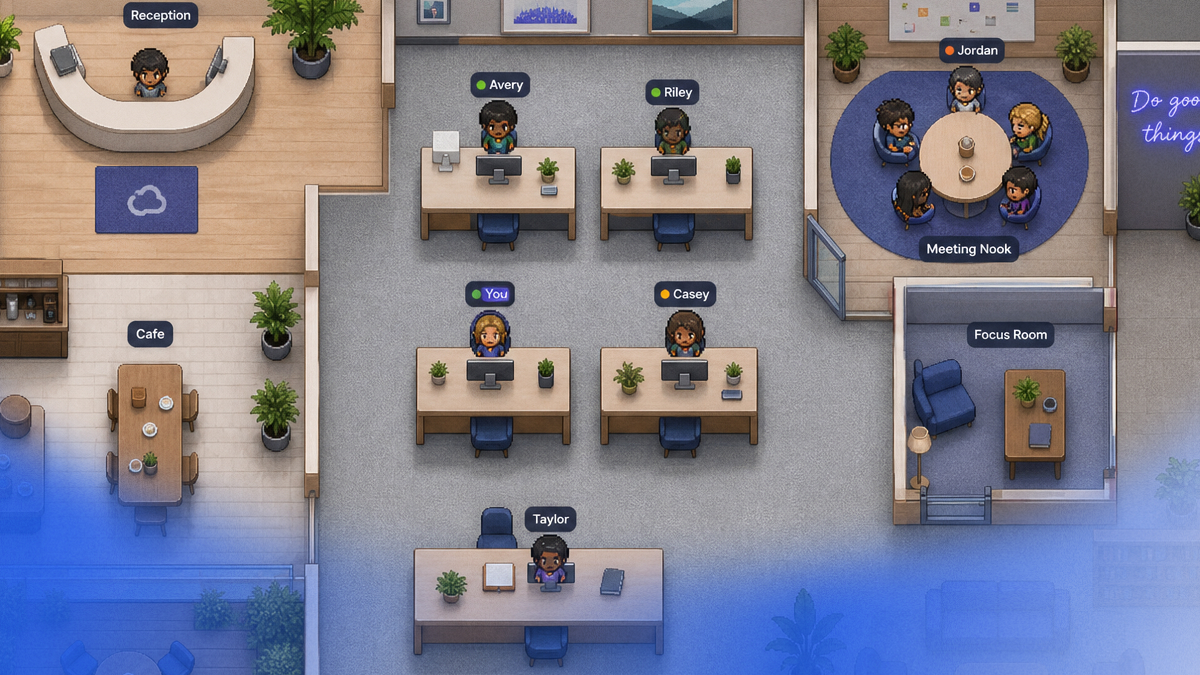
While scheduled sessions are common, the most agile teams are looking for ways to reduce the rigidity of traditional group meeting apps. This is where platforms like Hurbly.ai provide significant value. By offering real-time visibility into coworker availability, such platforms complement standard group meeting apps by allowing for spontaneous interactions. Instead of waiting for a calendar invite, users can see who is focused or available, bridging the gap between structured video calls and the fluid nature of a physical office.
Integrating presence-based technology with your choice of group meeting apps helps eliminate the "meeting tax"—the time lost to scheduling and administrative overhead. When you can see that a colleague is free, a quick five-minute sync can often replace a thirty-minute scheduled block on a calendar. This hybrid approach ensures that group meeting apps are used for deep-dive discussions, while faster, presence-driven tools handle the immediate, day-to-day coordination.
Best Practices for Facilitating Virtual Discussions
To ensure that group meeting apps remain effective, teams should adopt specific structural habits. Without a clear framework, virtual sessions can easily lose focus, leading to wasted time and decreased morale. Implementing a standardized approach to digital gatherings helps maintain high engagement levels and ensures that every participant understands their role within the conversation.
- Define Clear Agendas: Before opening any group meeting apps, the organizer should distribute a concise list of topics to be covered.
- Assign Roles: Designate a facilitator to manage the flow of the conversation and a note-taker to document decisions.
- Limit Duration: Research shows that shorter, high-intensity sessions in group meeting apps are more productive than hour-long marathons.
- Follow-up Documentation: Immediately after closing the session, share a summary of action items to ensure accountability.
Comparing Communication Methods for Remote Teams
Choosing between different group meeting apps and communication methods depends on the specific needs of the project. Some tasks require the high-fidelity interaction of video, while others are better suited for asynchronous text or instant presence-based huddles. Understanding these distinctions allows teams to select the right tool for the right moment, optimizing their overall digital environment.
| Feature | Standard Group Meeting Apps | Presence-Based Platforms (Hurbly.ai) |
|---|---|---|
| Primary Use | Scheduled presentations and deep-dive syncs | Spontaneous chats and real-time visibility |
| Scheduling | Required via calendar integration | Not required; based on live status |
| Interaction | Formal and structured | Informal and immediate |
| Team Visibility | Limited to the duration of the call | Continuous throughout the workday |
By diversifying the toolkit, teams can avoid the burnout often associated with the over-reliance on traditional group meeting apps.
Technical Requirements for Seamless Virtual Interaction
For group meeting apps to function correctly, certain technical standards must be met by all participants. Poor audio or unstable video can derail a productive conversation and lead to misunderstandings. Ensuring that every team member has the necessary hardware and bandwidth is a fundamental step in professionalizing a remote work culture.
- Stable Internet Connection: A minimum upload/download speed is required to maintain high-definition video in most group meeting apps.
- Dedicated Audio Hardware: Using external microphones or headsets reduces echo and background noise significantly.
- Updated Software: Regularly updating group meeting apps ensures that security patches and performance improvements are active.
- Lighting and Framing: Proper visual positioning helps in reading non-verbal cues, which is a vital component of effective communication.
The Future of Digital Workspaces and Group Meeting Apps
As we progress through 2026, the distinction between "being at work" and "being in a meeting" continues to blur. The evolution of group meeting apps is moving toward more persistent and immersive environments. Teams are no longer looking for isolated tools but for integrated ecosystems where Hurbly.ai and various group meeting apps work in tandem to create a comprehensive virtual headquarters.
This integration allows for a more natural transition between individual deep work and collaborative team efforts. By utilizing group meeting apps for their intended purpose—complex, synchronous collaboration—and leveraging presence indicators for everything else, remote organizations can achieve a level of efficiency that rivals or exceeds traditional in-person offices. The goal is to create a digital space where information flows freely and barriers to communication are minimized.