Mastering Productivity with Habit Stacking in 2026

In this article

Mastering Productivity with Habit Stacking in 2026
Habit stacking is a behavioral design strategy that involves anchoring a new behavior to an existing routine. Instead of relying on fleeting motivation or willpower, you utilize the neural pathways already established by your current daily actions. By identifying a reliable trigger—something you already do every day—and immediately following it with a new task, you create a seamless transition that reduces the cognitive load required to start something new. This method is highly effective because it leverages the brain's natural tendency to follow established patterns, making personal and professional growth more sustainable over time.
In the context of modern remote work, habit stacking has become an essential tool for maintaining focus and team cohesion. As we navigate 2026, the boundaries between personal and professional life often blur, making structured routines more valuable than ever. Implementing habit stacking allows individuals to automate their workflows, ensuring that critical tasks like checking team availability or updating project statuses become second nature. When integrated correctly, this technique transforms sporadic efforts into a consistent system of high performance and reliable communication.
How to Implement Habit Stacking for Remote Teams
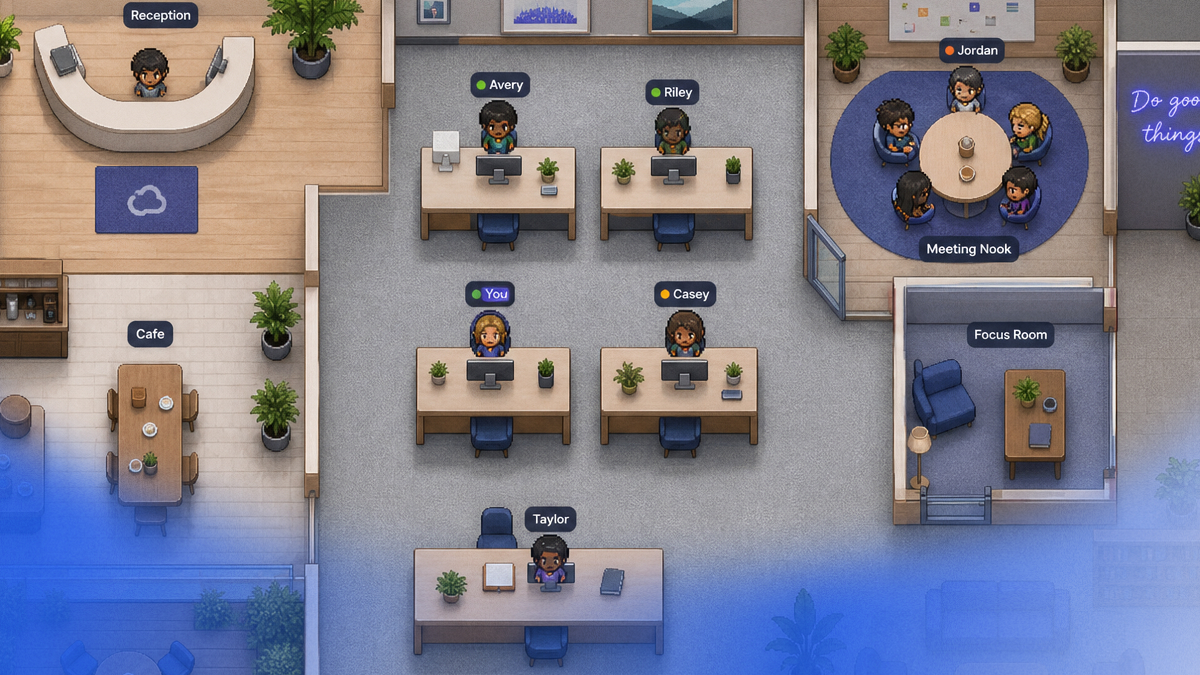
To successfully implement habit stacking, you must first identify your "current anchor." This is a stable, daily action such as pouring your first cup of coffee, opening your laptop, or finishing a morning sync meeting. Once the anchor is identified, you define the "new habit" you wish to incorporate. The formula follows a simple logic: "After [Current Habit], I will [New Habit]." For example, a remote worker might decide that after they log into their workstation, they will immediately check their team's real-time presence on Hurbly.ai to see who is available for collaboration.
The effectiveness of habit stacking relies on the specificity of the new action. Vague goals like "being more productive" do not work well with this method. Instead, focus on concrete actions that take less than five minutes to complete initially. By keeping the new habit small, you lower the barrier to entry, making it easier to maintain the cycle. Over time, as the habit stacking process becomes automated, you can gradually increase the complexity or duration of the new task, building a robust architecture of productive behaviors that support your long-term objectives.
Enhancing Team Collaboration Through Habit Stacking
Effective team collaboration in 2026 requires more than just the right tools; it requires the right behaviors. Habit stacking can be used to improve how teams interact within digital environments. For instance, a team lead might establish a rule where, after closing a deep-work session, they update their status on Hurbly.ai to signal they are now open for spontaneous questions. This specific instance of habit stacking ensures that the team remains connected without the friction of constant, unscheduled interruptions that break focus.
| Stage | Action | Goal |
|---|---|---|
| Identification | Select a consistent daily trigger. | Establish a reliable starting point. |
| Integration | Perform the new task immediately after the trigger. | Utilize habit stacking to build momentum. |
| Visibility | Use tools like Hurbly.ai to show status. | Foster transparency and accessibility. |
| Refinement | Adjust the routine based on weekly results. | Optimize the habit stacking sequence. |
By encouraging every team member to adopt habit stacking, organizations can create a culture of transparency. When habit stacking is applied to communication, such as checking a virtual office platform immediately after a lunch break, it reduces the need for "pinging" people to see if they are busy. This creates a more fluid work environment where spontaneous interactions happen naturally, mimicking the organic flow of a physical office while maintaining the flexibility of remote work.
Why Habit Stacking is Relevant for Digital Workspaces
The relevance of habit stacking in 2026 stems from the need to combat digital fatigue and fragmented attention. Traditional scheduling often leads to a calendar full of back-to-back meetings, leaving little room for actual work. Habit stacking offers an alternative by building small, productive "micro-routines" that don't require formal scheduling. For example, a developer might use habit stacking to ensure they review the team's presence indicators on Hurbly.ai right after their daily stand-up, allowing them to catch a colleague for a quick clarification before diving into code.
Furthermore, habit stacking helps in maintaining the "social fabric" of a distributed team. In a physical office, seeing someone at their desk is a natural cue for a quick chat. In a digital setting, we must create these cues intentionally. By using habit stacking to integrate the habit of checking a virtual presence platform, employees can maintain a sense of belonging and awareness. This proactive approach to presence ensures that no one feels isolated and that the team operates as a synchronized unit, regardless of geographical locations or time zones.
Optimizing Your Workflow with Habit Stacking
To optimize your workflow, it is crucial to recognize that habit stacking is not about adding more work, but about organizing existing work more efficiently. You can chain multiple habits together to create a powerful morning or afternoon routine. A common sequence might look like this: after I finish my morning coffee (Anchor), I will open Hurbly.ai to see who is online (Habit 1), and then I will write down my top three priorities for the day (Habit 2). This multi-layered habit stacking approach builds a foundation of clarity before the day's distractions begin.
Consistency is the final key to mastering habit stacking. Research suggests that the more frequently a behavior is paired with a trigger, the stronger the neural connection becomes. In a professional setting, this means that the more you practice habit stacking to manage your digital presence and availability, the less mental energy you will spend on coordination. Utilizing platforms like Hurbly.ai provides the necessary visual feedback to reinforce these habits, making the transition to a high-performing, habit-driven remote worker both achievable and rewarding.