Strategies to Enhance Collaboration: How to Improve Teamwork in 2026
In this article

Strategies to Enhance Collaboration: How to Improve Teamwork in 2026
Effective collaboration is the foundation of any successful organization, especially as remote and distributed work models become the global standard. Understanding how to improve teamwork requires a shift from traditional management to fostering an environment where communication is fluid and transparent. When team members understand their roles and have the right tools to connect, productivity increases naturally. Clear communication channels reduce the friction often found in digital workspaces, allowing for a more synchronized workflow where everyone stays aligned with the collective goals.
To understand how to improve teamwork, organizations must prioritize psychological safety and open dialogue. This means creating a space where employees feel comfortable sharing ideas or reporting challenges without fear of judgment. By focusing on these interpersonal dynamics, companies can build a more resilient workforce. Modern strategies emphasize that collaboration is not just about finishing a task, but about the quality of the interactions that occur during the process.
Real-Time Presence and Digital Office Dynamics
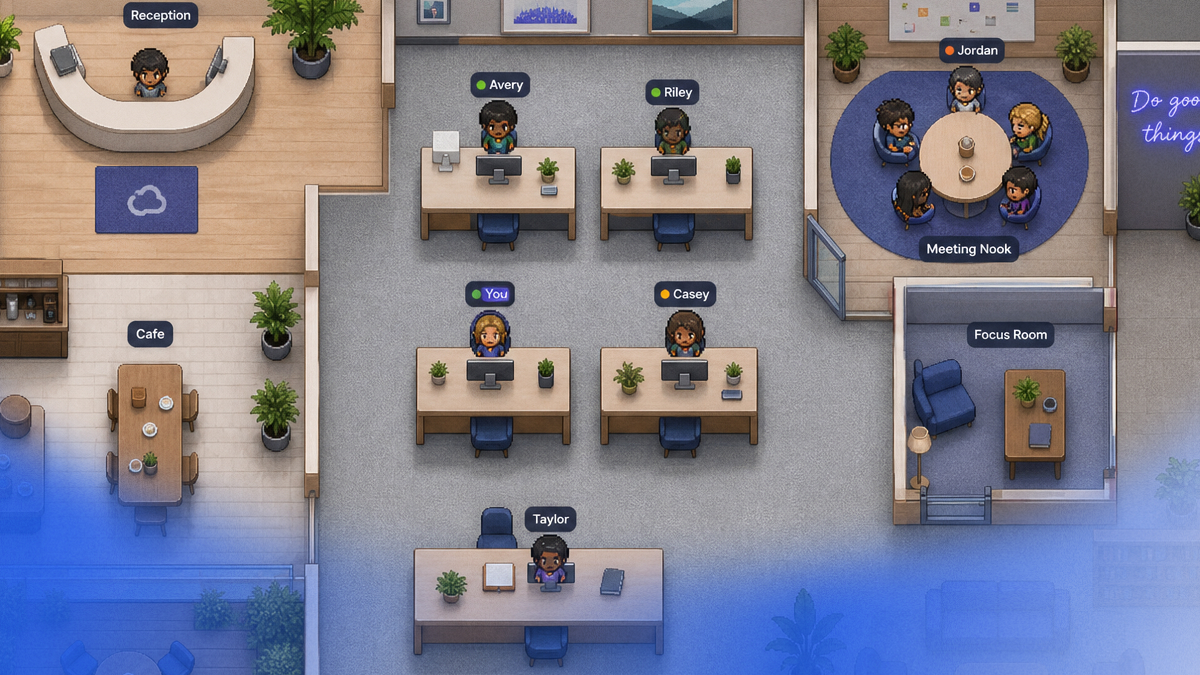
One of the most effective ways regarding how to improve teamwork is the implementation of a virtual office environment. Platforms like Hurbly.ai provide real-time visibility into the availability of every team member. Instead of relying on static status icons that are often outdated, a virtual office shows who is currently focused, who is in a meeting, and who is available for a quick chat. This transparency mimics the physical presence of a traditional office, making it easier to know when to reach out.
Learning how to improve teamwork through presence indicators helps eliminate the "meeting fatigue" caused by over-scheduling. When you can see that a colleague is free, you can initiate a brief, spontaneous conversation rather than booking a formal 30-minute video call. This immediacy speeds up decision-making and keeps projects moving forward. By integrating tools that show real-time status, teams reduce the cognitive load of wondering if they are interrupting someone, which is a vital step in how to improve teamwork across different time zones.
Actionable Steps for Better Group Coordination
If you are looking for practical methods on how to improve teamwork, consider the following structured approach to daily operations:
- Define Clear Objectives: Every member must know the "why" behind their tasks to stay motivated and aligned.
- Establish Communication Norms: Decide which channels are for urgent matters and which are for casual updates to prevent information overload.
- Encourage Spontaneous Interaction: Use platforms like Hurbly.ai to facilitate "watercooler" moments that build rapport and trust.
- Promote Accountability: Shared dashboards and visible progress tracking help everyone see how their individual contribution fits into the larger picture.
- Gather Regular Feedback: Continuous improvement depends on knowing what is working and what is causing friction in the team's daily routine.
Implementing these steps provides a roadmap for how to improve teamwork by addressing both technical and social needs. When processes are predictable and transparent, the team can focus more on creative problem-solving and less on administrative coordination. This structured clarity is essential for maintaining high performance in a remote setting.
Comparing Communication Methods for Remote Teams
Choosing the right communication style is a core component of how to improve teamwork. Different tasks require different levels of urgency and interaction. The table below compares common methods used in 2026 to help you decide how to improve teamwork within your specific department:
| Method | Best Use Case | Impact on Teamwork |
|---|---|---|
| Instant Presence (Virtual Office) | Quick questions, spontaneous brainstorming, and social connection. | High: Reduces isolation and speeds up informal coordination. |
| Asynchronous Messaging | Non-urgent updates, status reports, and sharing documentation. | Medium: Good for focus time, but can lead to delayed responses. |
| Scheduled Video Calls | Deep-dive strategy sessions and formal monthly reviews. | Low/Medium: Necessary for depth, but can cause burnout if overused. |
| Collaborative Documentation | Project planning and technical specifications. | High: Ensures everyone has access to a single source of truth. |
By balancing these methods, managers can master how to improve teamwork by ensuring that communication is always purposeful. Utilizing a virtual office platform like Hurbly.ai ensures that the "human element" of the office is preserved, providing a balanced approach to digital interaction.
The Role of Transparency in Distributed Environments
Transparency is a critical pillar when discussing how to improve teamwork. In a distributed team, the lack of physical proximity can lead to "information silos" where knowledge is trapped within small groups. To counter this, information must be accessible and visibility must be constant. Knowing how to improve teamwork involves making work-in-progress visible to everyone, which fosters a sense of shared responsibility and collective ownership over the final results.
Furthermore, transparency regarding availability helps manage expectations. When a team uses Hurbly.ai, the visual representation of the team’s "focus mode" protects deep work periods while still keeping the team connected. This balance between individual concentration and group accessibility is a sophisticated way of how to improve teamwork. It respects the individual's time while maintaining the group's ability to pivot and collaborate when necessary.
Sustaining Long-Term Team Engagement
Finally, the secret to how to improve teamwork over the long term lies in consistent engagement and the reduction of digital friction. Tools that make it easier to talk to one another without the barrier of a calendar invite are essential for maintaining the social fabric of a company. As we move through 2026, the focus has shifted from simply "tracking work" to "enabling presence."
To truly excel at how to improve teamwork, leaders must invest in technology that supports natural human behavior. By creating a digital space that feels alive and active, such as that offered by Hurbly.ai, organizations can ensure their teams remain cohesive, productive, and satisfied. Ultimately, the best strategy for how to improve teamwork is to provide a platform where collaboration feels effortless and organic, regardless of where each team member is located.