How to Onboard New Remote Employees Effectively (So They Don't Quit in 90 Days)
In this article

Imagine starting a new job, excited and a little nervous, ready to make a great first impression, and then spending your first day alone in your home office, waiting for someone to send you the right login credentials. Your Slack is set up, but nobody's chatted with you yet. You sit through a two-hour HR presentation via screen share. By 4 PM, you're questioning whether you made the right decision.
This scenario plays out far more often than companies realize. Remote onboarding is one of those things that looks easy on paper ("just add them to the tools and schedule some calls!") but is actually one of the highest-risk moments for a new employee, and for your team's culture. Research consistently shows that employees who have a poor onboarding experience are significantly more likely to leave within their first year. And when onboarding is remote, the stakes are even higher.
The good news: remote onboarding can be genuinely great. It can be warm, structured, personal, and effective. It just requires intentional design instead of assuming things will work themselves out.
Why Remote Onboarding Fails (Even When Everyone Has Good Intentions)
The core failure mode of remote onboarding isn't malice, it's assumption. Companies assume the new hire will figure out the culture by observing. They assume someone will reach out. They assume the tools will feel intuitive. They assume the new person will speak up if they need something.
None of those assumptions are reliable. In an office, new employees absorb culture through osmosis, watching how people interact, picking up on unwritten norms, being naturally included in hallway conversations. Remote hires have none of those passive inputs. If they're not actively brought into the culture, they'll spend their first weeks in a kind of informational limbo, unsure of expectations and uncertain of their place.
The result? They feel disconnected before they've even really started. And disconnected employees quietly disengage. Studies show that structured onboarding programs improve new hire retention by up to 82%, which means winging it is genuinely expensive.
Before Day One: Set the Stage for a Great First Impression
Remote onboarding starts before the person ever logs on. The pre-boarding phase, from offer acceptance to first day, is an often-wasted opportunity to make someone feel genuinely welcomed and prepared.
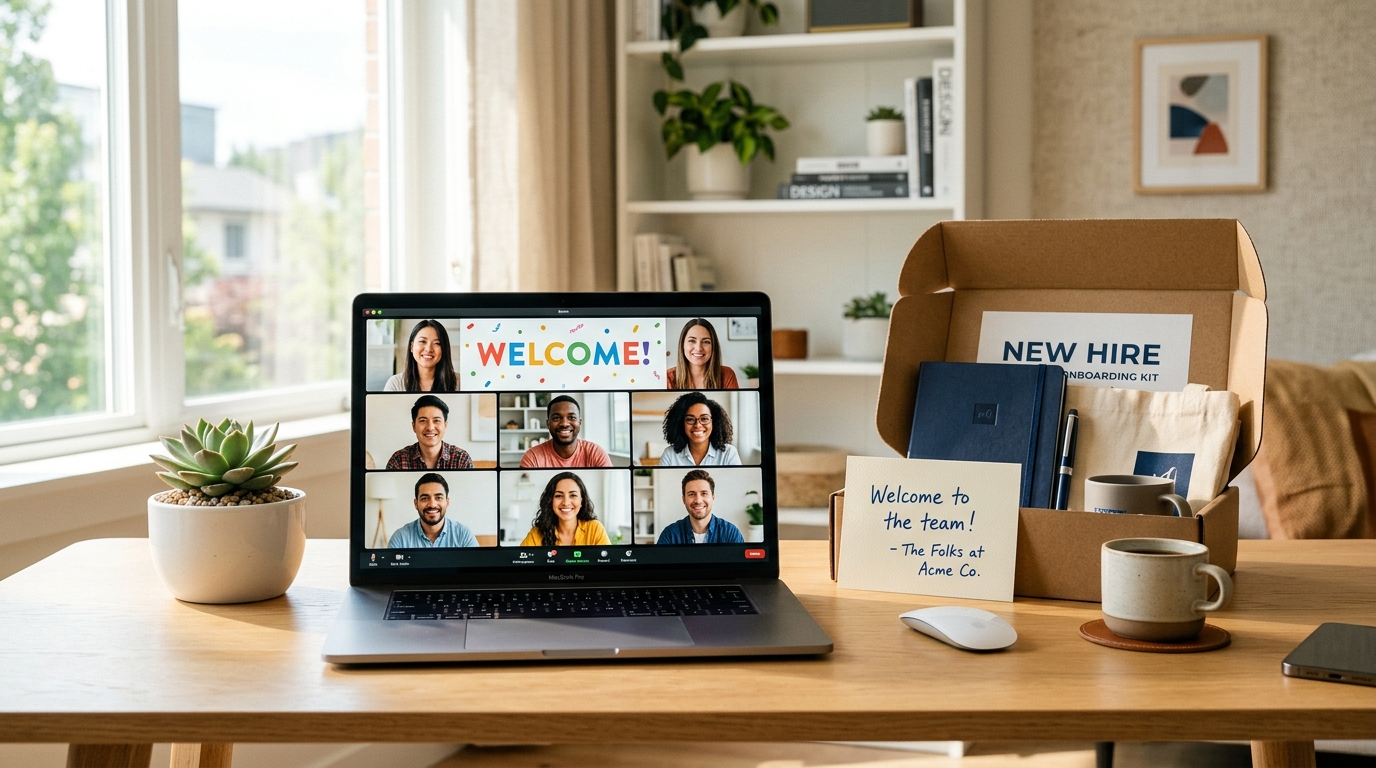
Send a warm welcome package. This doesn't have to be elaborate or expensive. A handwritten note from their manager, some company swag, maybe a small gift card for a coffee. The gesture communicates: we thought about you before you even started. That matters.
Get everything set up in advance. All equipment, accounts, access, and tools should be ready before day one. Nothing deflates a new hire's enthusiasm faster than spending their first morning on IT tickets. Create a detailed pre-day-one checklist and assign someone accountable for making sure it's done.
Send a "what to expect" guide. A simple document outlining what the first week will look like, who they'll meet, what the daily schedule is, and any cultural norms to know. Uncertainty is stressful. Removing it is an act of care.
Connect them to a buddy before they start. Not their manager, a peer-level buddy who will be their unofficial guide during the first weeks. This is one of the single most effective onboarding interventions research has identified, and it costs almost nothing to implement.
The First Week: Connection Before Productivity
Here's a mindset shift that changes everything: the goal of week one is not productivity. It's connection and orientation. New hires who feel connected to their team and clear on their role in week one are far more productive in weeks three through twelve. Frontloading relationship-building is actually the most efficient thing you can do.
Day one should be about people, not paperwork. Yes, some HR documents have to be signed. But structure the first day around introductions, genuine conversations, and low-pressure get-to-know-you time. A welcome call with the immediate team. A one-on-one with their manager that's explicitly not about tasks. Lunch time with no expectations.
Introduce them to the org chart and the humans behind it. Not just names and titles, but context: what does this person actually work on, what's their personality like, how do they prefer to communicate? A "team directory" document with personality notes and fun facts is more useful than an org chart.
Schedule introductory calls with key stakeholders. Not all on day one, spread them across the first two weeks. But make sure the new hire has facetime with the people they'll work with most, even if just for 20 minutes each.
Avoid information overload. It's tempting to dump everything at once because you know they'll need it all eventually. Resist this impulse. Staged learning over the first 30 days is much more effective than a wall of information on day one.
The First 30 Days: Building the Mental Map
The first month is about helping your new remote employee build the mental map they'd naturally develop in an office over the same period, but that they have to be explicitly given in a remote context.
Cultural norms documentation. Norms that go unspoken in an office need to be written down for remote teams. How do you communicate when you're heads-down? How quickly are you expected to respond to messages? Is it okay to skip a camera in meetings? What does "end of day" mean across time zones? A "how we work" document is incredibly valuable.
Role clarity documents. By week three, a new hire should have a clear written agreement on their role expectations, success metrics for the first 90 days, and who they go to with different types of questions. Ambiguity is the enemy of confidence, and confident employees perform better.
Regular manager check-ins. Not micromanagement, genuine, warm check-ins. Weekly one-on-ones in the first 30 days where the explicit agenda includes: "How are you feeling? What's confusing? What do you need from me?" This creates psychological safety early, which pays dividends for years.
Peer interactions beyond work topics. Encourage the onboarding buddy to take the new hire to the virtual "water cooler", the informal social spaces your team uses. Getting someone into the casual conversation layer of a team is as important as getting them into the work layer.
The First 90 Days: From Newcomer to Contributor
By the end of 90 days, a new remote employee should feel like a real member of the team, not a guest. They should know the culture, have genuine relationships with at least a few colleagues, and have a clear sense of how their work contributes.
A 30-60-90 day plan with explicit check-ins. Map out what "success" looks like at each milestone, then check in at each one. Not just "did you hit the metrics?" but "do you feel like you belong here? What would make this better for you?"
First project ownership. Give new hires something meaningful to own in their first 90 days. Not busywork, not shadow work, a real project where they can make a visible contribution. This is how people develop identity and confidence in their role.
Feedback loops. Ask new hires for feedback on the onboarding process itself. What was helpful? What was confusing? What would have made a difference? This data makes your onboarding better over time and signals to the new hire that you value their perspective from day one.
How Hurbly Helps You Onboard Remote Employees Effectively
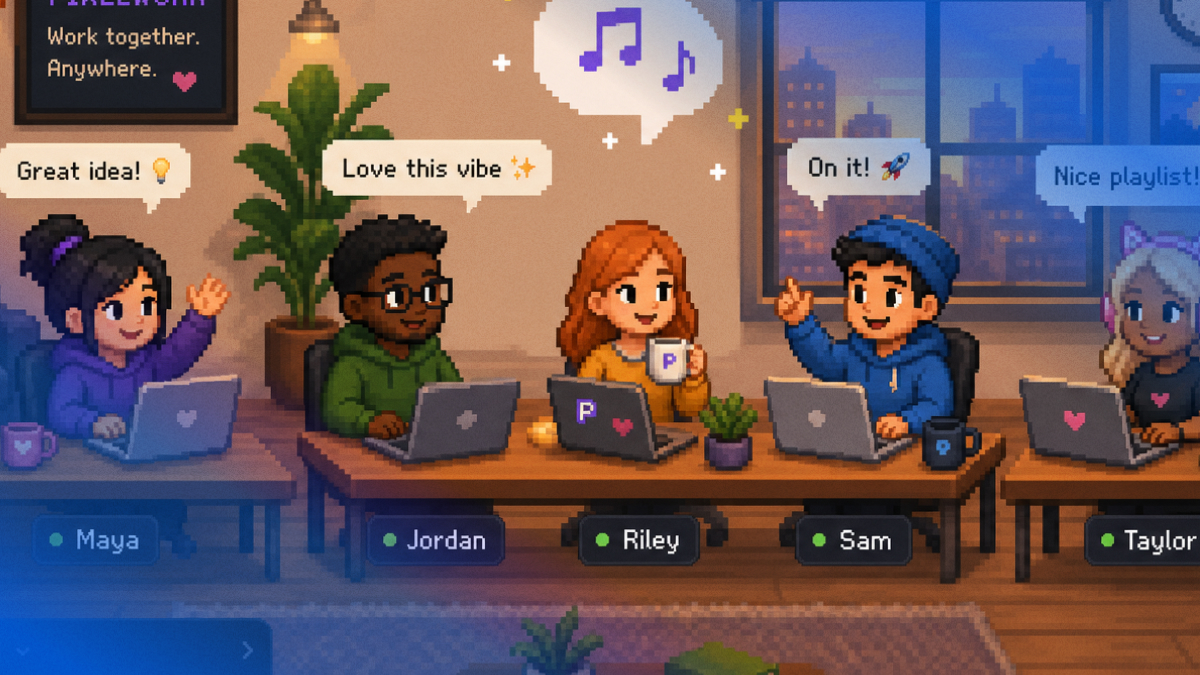
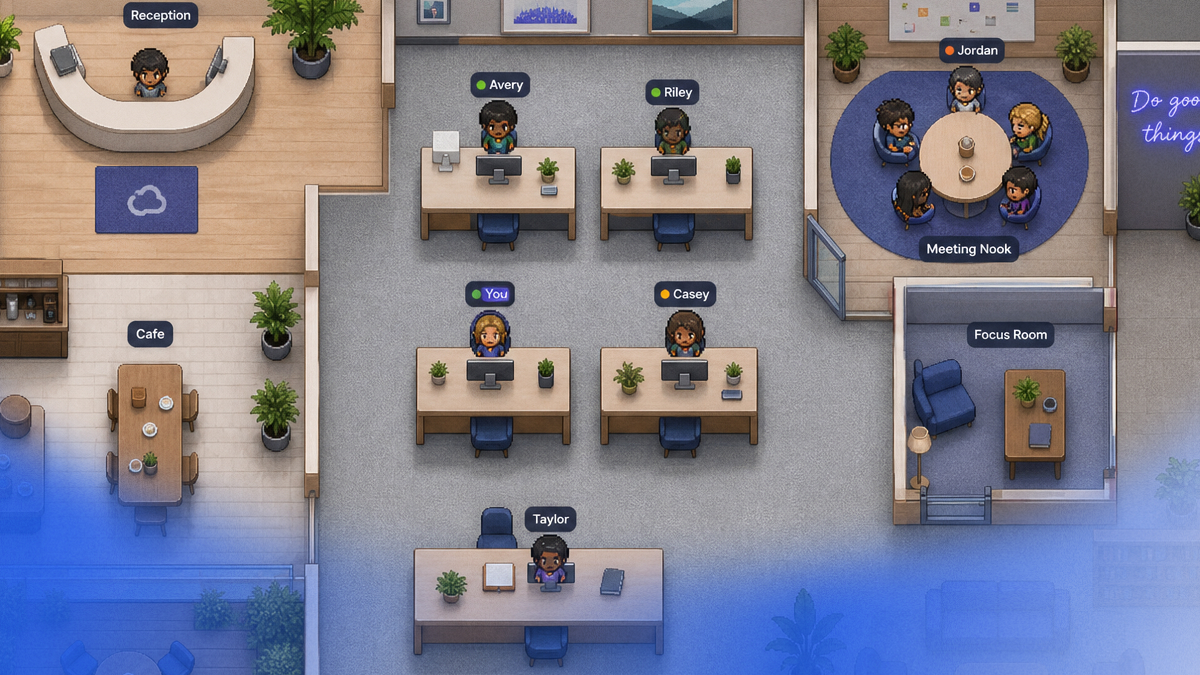
One of the biggest gaps in remote onboarding is the ambient environment, the sense that you're part of a living, breathing team rather than just a collection of scheduled video calls. Hurbly fills this gap by giving new employees a virtual office to actually inhabit.
From their first day, new hires can see their team in the virtual office, drop by their manager's room for a quick question without scheduling a meeting, hang out in the common area during breaks, and feel the rhythm of how the team actually works. Instead of learning the culture from a document, they experience it in real time.
For managers, Hurbly makes it easy to keep a gentle eye on how new hires are integrating, are they engaging with teammates? Are they isolated?, without hovering or micromanaging. It's the closest thing to having your whole team in the same building, even when they're distributed across the world.
Try Hurbly free for 30 days and see the difference it makes for your next new hire.
Frequently Asked Questions
Q: How long should remote onboarding actually take?
A: A meaningful remote onboarding program should span at least 90 days, with the most intensive support in the first 30. Many companies treat onboarding as a week-long event, but research consistently shows that the first three months are the critical window for retention and engagement. Structured check-ins and support should continue throughout that period.
Q: What's the most common remote onboarding mistake companies make?
A: Prioritizing information transfer over relationship building. Companies tend to flood new hires with documentation, tool walkthroughs, and process training — and forget that the human side of joining a team is what actually determines whether someone stays. Connection first, content second.
Q: Should we do in-person onboarding even for fully remote roles?
A: If your budget and team size allow it, an in-person kickoff week can dramatically accelerate connection and culture integration. It's not required, but it's a high-value investment. If in-person isn't feasible, lean heavily into virtual social connection and extend your structured onboarding timeline.
Q: How do we help new hires build relationships with teammates they'll never meet in person?
A: Structured buddy programs, interest-based channels, virtual coffee chats, and shared virtual spaces all help significantly. The goal is to create multiple low-pressure touchpoints for informal connection, not just work interactions. Over time, these add up to genuine relationships.
Q: What tools do we need for remote onboarding?
A: At minimum: a good async communication tool (Slack, Teams), a documentation hub (Notion, Confluence), video calling, and ideally a virtual office platform for ambient team presence. The tools matter less than the intentional process around them.
Want your remote team to actually feel connected? Try Hurbly free for 30 days →