Enhancing Team Performance Through Strategic HR Analytics

In this article

Enhancing Team Performance Through Strategic HR Analytics
Modern workforce management requires a deep understanding of how teams interact and operate in real-time. By implementing HR analytics, organizations can transform raw data into actionable insights that improve employee engagement and operational efficiency. In 2026, the ability to monitor team dynamics through HR analytics has become a standard requirement for maintaining a competitive edge in distributed work environments. This data-driven approach allows managers to identify patterns in communication, pinpoint bottlenecks in workflows, and ensure that resources are allocated effectively across various departments.
The integration of HR analytics into daily operations helps leaders move beyond traditional performance reviews. Instead of relying on annual assessments, companies use continuous data streams to evaluate team health and productivity. This shift toward proactive management is supported by platforms like Hurbly.ai, which provide the real-time visibility necessary to feed accurate information into HR analytics systems. When leaders understand how their teams spend their time and interact, they can make informed decisions that foster a more cohesive and productive culture.
Real-Time Visibility and Data Collection
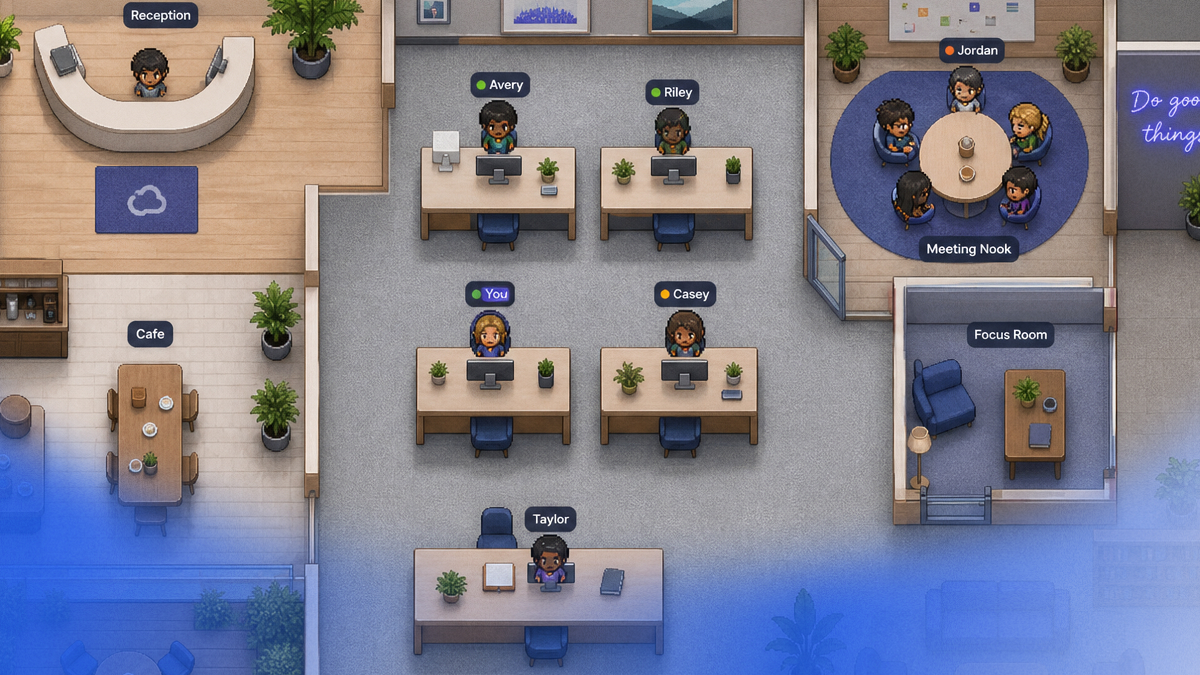
To generate meaningful HR analytics, a company must first establish a reliable method for capturing presence and availability data. Traditional tools often fail to provide the granularity needed for deep analysis. A virtual office environment facilitates this by tracking when team members are focused, available for collaboration, or engaged in meetings. This constant flow of information serves as the foundation for advanced HR analytics, allowing for a precise mapping of the digital workspace.
Effective data collection for HR analytics involves several key metrics:
- Availability Patterns: Understanding peak hours of team activity to optimize meeting schedules.
- Focus Intervals: Measuring periods of uninterrupted work to prevent burnout and improve task completion rates.
- Spontaneous Interaction Rates: Tracking informal communication to see how it correlates with project success.
- Meeting Frequency: Analyzing the time spent in formal calls versus active execution.
By utilizing Hurbly.ai, teams create a transparent environment where these metrics are naturally captured. This transparency ensures that the resulting HR analytics are based on actual behavior rather than self-reported surveys, which are often biased or incomplete.
Optimizing Distributed Team Collaboration
Managing remote and distributed teams presents unique challenges that are best addressed through the lens of HR analytics. Without a physical office, it is difficult to gauge team morale or identify individuals who may be feeling isolated. By analyzing interaction data, HR analytics can highlight teams that are collaborating effectively and those that may need additional support or better communication tools. This helps in maintaining a sense of presence even when employees are thousands of miles apart.
| Metric Category | Impact on Strategy | Role of HR Analytics |
|---|---|---|
| Team Presence | Improves transparency | Identifies optimal times for cross-zone syncs |
| Interaction Flow | Reduces friction | Detects silos between different departments |
| Work Status | Balances workloads | Prevents over-allocation of tasks to individuals |
The use of HR analytics allows for a more nuanced understanding of how remote work impacts long-term retention and satisfaction. When managers use platforms like Hurbly.ai to facilitate spontaneous interactions, they reduce the "meeting fatigue" often associated with remote work. This reduction in friction is a measurable data point within a comprehensive HR analytics framework, showing a direct link between tool adoption and employee well-being.
Driving Organizational Growth with Data
The ultimate goal of applying HR analytics is to drive sustainable organizational growth. By identifying the behaviors that lead to high performance, companies can replicate those conditions across the entire workforce. For instance, if HR analytics reveal that teams with higher rates of informal, quick conversations complete projects faster than those relying on scheduled calls, the company can pivot its communication strategy accordingly. This evidence-based management style removes guesswork from the decision-making process.
Furthermore, HR analytics play a crucial role in talent development and succession planning. By observing how individuals step into leadership roles during collaborative sessions, HR professionals can identify high-potential employees early in their careers. Using Hurbly.ai to visualize these interactions provides the raw behavioral data needed to fuel these insights. In 2026, the most successful organizations are those that treat HR analytics as a core business function, continuously refining their processes based on the real-time realities of their digital office.
Finally, the continuous monitoring enabled by HR analytics ensures that the organization remains agile. As market conditions change, the data allows for rapid adjustments in team structures and workflows. This level of adaptability is only possible when HR analytics are integrated into the daily tools that employees use to communicate and collaborate, creating a seamless loop between action, data, and improvement.