Effective HR for Startups: Building Presence in Virtual Offices
In this article

Effective HR for Startups: Building Presence in Virtual Offices
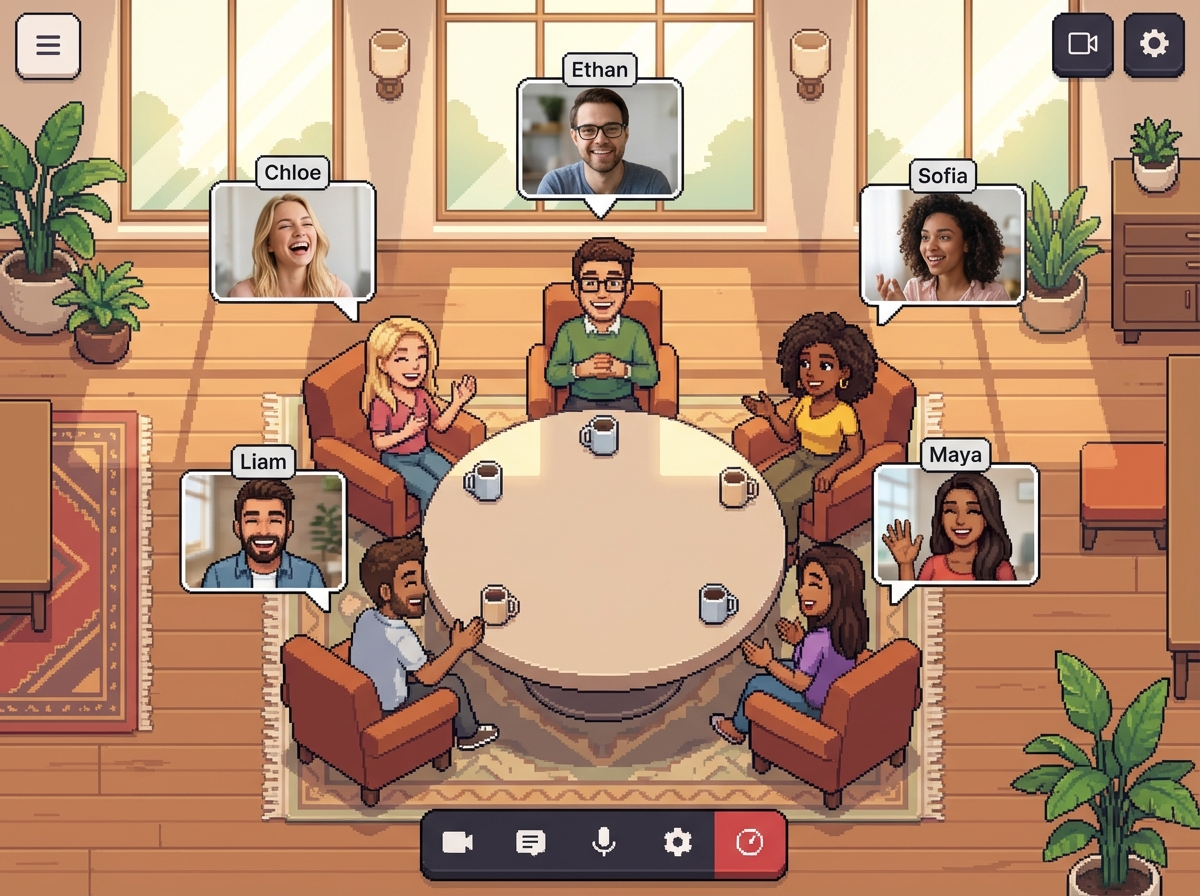
Managing a distributed workforce requires a strategic approach to HR for startups, especially when maintaining team cohesion is a priority. In 2026, the shift toward virtual presence platforms has redefined how companies handle internal communication. Unlike traditional messaging apps that rely on status bubbles, modern solutions provide a spatial representation of a team. This transparency is a cornerstone of effective HR for startups, as it allows managers to understand team dynamics without intrusive monitoring or constant status updates.
The core functionality of a virtual office involves real-time synchronization of user availability. When a team member enters a digital room or focuses on a task, their status is instantly updated across the platform. For those implementing HR for startups strategies, this visibility reduces the "collaboration tax"—the time wasted trying to figure out if a colleague is free to talk. By seeing who is available, focused, or already in a meeting, teams can interact more naturally, mimicking the spontaneous desk-side chats of a physical office.
How Virtual Presence Enhances HR for Startups
A significant challenge in HR for startups is preventing the isolation often felt by remote employees. Virtual office platforms address this by creating a shared digital environment where presence is felt rather than just reported. This environment supports a healthier culture by encouraging informal interactions that build trust. When employees can see their peers working alongside them in a digital space, it fosters a sense of belonging that is often lost in purely text-based communication.
From an operational standpoint, HR for startups benefits from the reduced need for scheduled meetings. Platforms like Hurbly.ai enable users to initiate instant conversations, which streamlines decision-making processes. Instead of waiting for a calendar slot, a team member can see an available manager and resolve a query in seconds. This fluidity is essential for fast-growing companies where agility is a competitive advantage.
Key Features of Real-Time Team Presence
To successfully execute HR for startups initiatives, technology must provide clear indicators of human activity. These platforms typically include several layers of presence data:
- Availability Indicators: Visual cues showing if a person is online, away, or in "do not disturb" mode.
- Activity Context: Information on whether a user is currently in a video call, screen sharing, or focusing on a deep-work task.
- Spatial Organization: Digital rooms or zones that group team members by project or department, making it easier to find the right person.
- Instant Audio/Video: The ability to jump into a quick talk without generating a formal meeting link.
By integrating these features, HR for startups can ensure that communication remains high-bandwidth without being disruptive. This balance is vital for maintaining productivity while ensuring that no team member feels disconnected from the group's goals.
Strategic Benefits of Digital Offices in 2026
The adoption of virtual office technology is a proactive step in modern HR for startups. It moves away from reactive management and toward a model of transparency and autonomy. When teams have the tools to manage their own visibility, they gain more control over their workday. This autonomy is a highly valued trait in remote work cultures and a key pillar of successful HR for startups in the current year.
Furthermore, these platforms provide valuable insights for HR for startups regarding team engagement levels. By observing how teams interact within a virtual space, HR professionals can identify silos or communication bottlenecks before they become systemic issues. This data-driven approach allows for more precise interventions in organizational design and team building.
Improving Collaboration Through Spontaneous Interaction
Spontaneity is often the first casualty of remote work, yet it is essential for innovation. Effective HR for startups focuses on reclaiming these "watercooler moments" through digital means. Platforms such as Hurbly.ai facilitate these interactions by making it easy to see when a colleague is taking a break or open to a quick chat. This reduces the friction of reaching out, making the digital experience feel more human and less transactional.
For companies prioritizing HR for startups, the goal is to create an environment where information flows freely. When the barriers to communication are lowered, the speed of knowledge transfer increases. This is particularly important for onboarding new hires, who can learn by observing the presence and interactions of senior team members in the virtual office, significantly shortening their integration period.
Implementing HR for Startups with Virtual Tools
When integrating new presence tools into an HR for startups framework, it is important to follow a structured implementation process:
- Define Communication Norms: Establish clear expectations for what different status indicators mean to avoid confusion.
- Promote Transparency: Encourage leaders to model active presence, showing that being "visible" is a positive contribution to the team.
- Monitor Integration: Regularly check how the tool is affecting meeting frequency and team sentiment.
- Adjust Workflows: Use the real-time data to optimize when team-wide announcements or collaborative sessions should occur.
By following these steps, HR for startups can leverage technology to build a more resilient and connected workforce. The result is a team that operates with the efficiency of a centralized office while enjoying the flexibility of remote work. As the landscape of work continues to evolve in 2026, the role of HR for startups will increasingly involve curating these digital experiences to ensure long-term organizational health.

