Maximizing Team Efficiency Through Hybrid Remote Work Models in 2026
In this article

Maximizing Team Efficiency Through Hybrid Remote Work Models in 2026
The professional landscape in 2026 has solidified the importance of flexibility, making hybrid remote work the standard for high-performing organizations. This model combines the advantages of physical office presence with the autonomy of off-site tasks. To succeed, teams must move beyond basic messaging apps and adopt systems that provide real-time visibility. Understanding how to manage availability and spontaneous interaction is the foundation of a functional hybrid remote work environment where geographical distance no longer hinders productivity.
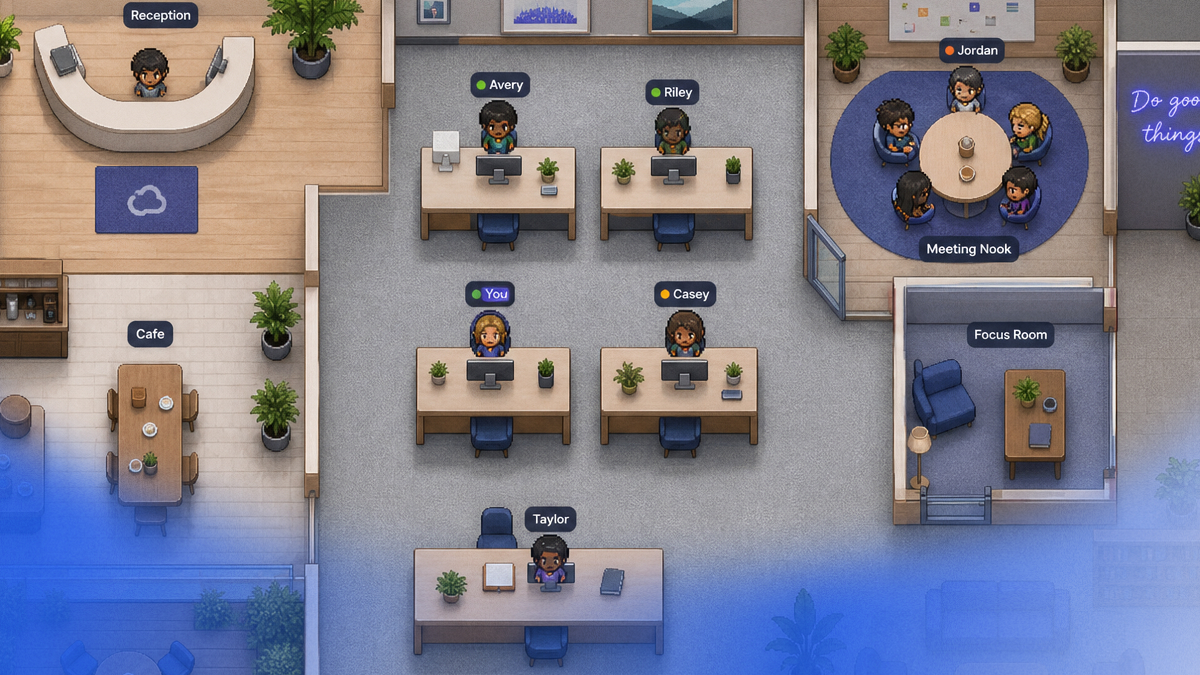
Effective hybrid remote work relies on transparency regarding team status. When colleagues can see who is currently focused, who is in a meeting, or who is available for a quick question, the friction of digital communication decreases. Platforms like Hurbly.ai facilitate this by replicating the social cues of a physical office within a digital interface. By visualizing presence, these tools allow distributed teams to maintain the fluid dynamics typically lost when moving away from a centralized physical location.
How Real-Time Presence Enhances Hybrid Remote Work
In a traditional office, you can glance across the room to see if a teammate is busy. Recreating this in a hybrid remote work setting requires technology that tracks and displays live status indicators. This visibility prevents the "interruptive" nature of unscheduled pings, as employees only reach out when they see a "clear" status. This level of coordination is vital for maintaining the momentum of projects that require input from multiple stakeholders across different time zones.
The implementation of hybrid remote work strategies often fails when communication becomes strictly transactional or over-scheduled. By using real-time presence platforms, teams can engage in "micro-interactions"—brief, informal chats that solve problems in seconds rather than thirty-minute video calls. This approach to hybrid remote work ensures that information flows naturally, reducing the cognitive load on employees who would otherwise be overwhelmed by a constant stream of notifications and calendar invites.
Key Components of a Successful Hybrid Remote Work Strategy
Establishing a robust framework for hybrid remote work involves more than just providing hardware. It requires a cultural shift toward asynchronous communication supported by synchronous presence. Organizations must define clear protocols for how and when to use different communication channels to ensure that the hybrid remote work model remains sustainable for all participants.
| Feature | Impact on Hybrid Remote Work |
|---|---|
| Live Status Indicators | Reduces unnecessary interruptions and respects deep work phases. |
| Instant Audio/Video | Replaces long, scheduled meetings with quick, spontaneous syncs. |
| Presence Visualization | Builds a sense of belonging and reduces the isolation of remote days. |
| Focus Mode Tracking | Signals to the team that a member is unavailable for non-urgent tasks. |
By prioritizing these features, companies can bridge the gap between office-based staff and those working from home. A well-integrated hybrid remote work setup ensures that every team member, regardless of their physical location, has equal access to spontaneous collaboration opportunities. Tools like Hurbly.ai serve as the digital glue that holds these distributed elements together.
Overcoming Communication Silos in Hybrid Remote Work
One of the primary risks of hybrid remote work is the formation of information silos, where those in the physical office share more information than those working remotely. To prevent this, all team interactions should be centralized in a digital environment that reflects real-time activity. This ensures that the "water cooler" conversations—often the source of creative breakthroughs—are accessible to everyone participating in the hybrid remote work ecosystem.
- Adopt a Digital-First Mindset: Treat the virtual office as the primary workspace for everyone, even those physically present in a building.
- Encourage Spontaneous Syncs: Use presence data to start quick conversations instead of sending emails that might sit in an inbox for hours.
- Monitor Availability Trends: Use data from hybrid remote work tools to understand when the team is most active and collaborative.
- Standardize Status Cues: Ensure every team member understands what different status indicators mean to maintain consistent expectations.
Why Real-Time Collaboration is Essential for Hybrid Remote Work
As we move through 2026, the competitive advantage belongs to firms that can execute hybrid remote work without losing the speed of a startup. Real-time collaboration tools allow for immediate feedback loops, which are critical for agile development and rapid problem-solving. When a team operates within a hybrid remote work framework, the ability to see a colleague's "available" status and start an instant conversation mimics the efficiency of a high-energy physical workspace.
Ultimately, the goal of Hurbly.ai and similar presence-based platforms is to make the technology invisible, allowing the human element of work to take center stage. By focusing on presence and availability, hybrid remote work becomes less about managing locations and more about optimizing human connection. This shift leads to higher job satisfaction, lower turnover, and a more resilient organizational structure capable of adapting to any future changes in the global labor market.