Differences Between In a Meeting vs At a Meeting: A Professional Guide

In this article

Differences Between In a Meeting vs At a Meeting: A Professional Guide
Understanding the subtle nuances of English prepositions is essential for clear workplace communication. When discussing professional gatherings, the choice between in a meeting vs at a meeting can change the context of your presence. Generally, being "in a meeting" suggests active participation within a specific group discussion or session. Conversely, saying you are "at a meeting" often refers to your location or attendance at a larger event or venue where a meeting is taking place.
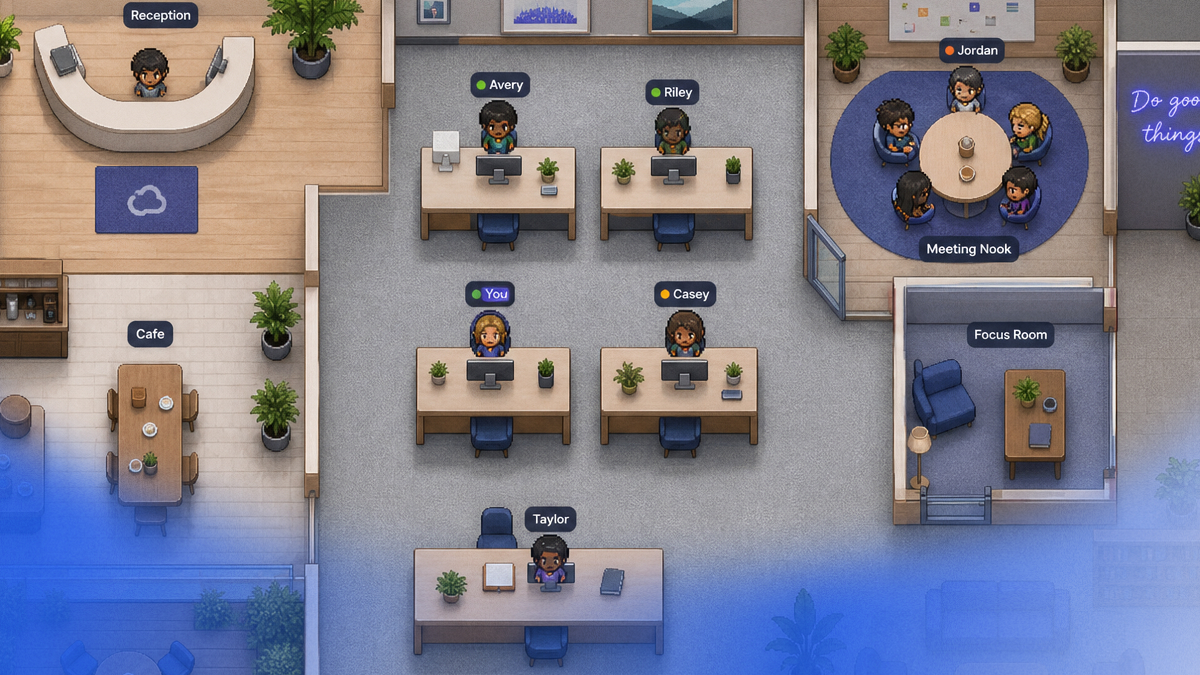
Choosing the correct phrase ensures that colleagues understand whether you are currently occupied in a discussion or simply present at a scheduled event. For remote teams using platforms like Hurbly.ai, these distinctions help in setting accurate status indicators. When you are in a meeting vs at a meeting, your availability for spontaneous collaboration changes, making it vital to communicate your status clearly to maintain team workflow and transparency.
When to Use In a Meeting
The phrase "in a meeting" is most commonly used to describe the state of being actively involved in a conversation or a formal session. It implies that you are a participant in the dialogue and are likely unavailable for other tasks. In a digital workspace, your status might show you are in a meeting vs at a meeting to signal that you are currently sharing a virtual space with others, focusing on a specific agenda or collaborative goal.
Using "in" emphasizes the involvement in the activity itself. For example, if a coworker asks where you are, replying that you are in a meeting vs at a meeting clarifies that you are currently engaged in the act of meeting. This distinction is helpful for managers who need to know if a team member can be interrupted. In the context of remote work, being in a meeting vs at a meeting usually means your microphone or camera might be active as you contribute to the ongoing discussion.
When to Use At a Meeting
The preposition "at" typically refers to a location or a specific point in time. When comparing in a meeting vs at a meeting, "at" is used to indicate that you have arrived at the place where the meeting is held. You might be "at a meeting" in a physical conference center or a specific office building. It describes your attendance as an event on your calendar rather than your specific level of engagement at that exact second.
In professional writing, you might say you are in a meeting vs at a meeting depending on whether you want to highlight the physical location. For instance, "I am at a meeting in the downtown office" focuses on where you are. Understanding the logic of in a meeting vs at a meeting allows for better scheduling. If you are "at a meeting," you might still be reachable during a break, whereas being "in a meeting" suggests you are currently busy with the proceedings.
Key Differences and Comparison
To better understand how to use in a meeting vs at a meeting, it is helpful to look at the specific intent of your message. The following table summarizes the primary differences in usage and meaning:
| Feature | In a Meeting | At a Meeting |
|---|---|---|
| Primary Focus | Participation and engagement in the activity. | Location, attendance, or the event as a whole. |
| Availability | Usually indicates being busy or unavailable. | Indicates presence at the venue; may be reachable. |
| Context | "I am in a meeting right now." | "I will see you at the meeting tomorrow." |
| Virtual Use | Common for active video calls or chats. | Common for scheduled calendar events. |
When deciding between in a meeting vs at a meeting, consider if you are describing your current action or your general location. If a colleague sees your status on Hurbly.ai, they will know if you are in a meeting vs at a meeting based on your real-time presence indicators. This clarity reduces the friction of coordination in distributed teams by providing immediate context regarding a person's availability.
Practical Examples in Professional Communication
Using these phrases correctly improves the professionalism of your emails and status updates. If you are writing an automated response, choosing in a meeting vs at a meeting can set the right expectations for when you will reply. For example, "I am currently in a meeting" tells the sender you cannot talk. However, saying "I am at a meeting all day" suggests you are attending a seminar or conference and might check messages periodically.
- Active Engagement: "Please do not disturb; I am in a meeting with the design team."
- Location/Event: "I am at a meeting at the convention center, but I can talk during lunch."
- Status Updates: On presence platforms, the distinction of in a meeting vs at a meeting helps coworkers decide whether to start an instant conversation.
- Future Planning: "We will discuss the budget when we are at the meeting next Tuesday."
By mastering the use of in a meeting vs at a meeting, you ensure that your team remains informed about your status. Tools like Hurbly.ai further support this by visualizing these states, allowing for spontaneous interactions when someone is not "in a meeting" but is simply "at" their desk or available in the virtual office environment. Understanding the nuance of in a meeting vs at a meeting is a small but significant step toward better workplace communication.