Enhancing Team Connectivity Through Effective Internal Communication

In this article

Enhancing Team Connectivity Through Effective Internal Communication
Effective internal communication serves as the foundation for high-performing remote teams in 2026. As digital workspaces evolve, the challenge lies in replicating the spontaneous interactions of a physical office. Traditional messaging apps often lead to notification fatigue, while scheduled video calls can disrupt deep work. By prioritizing a structured approach to internal communication, organizations can ensure that information flows freely without compromising individual productivity.
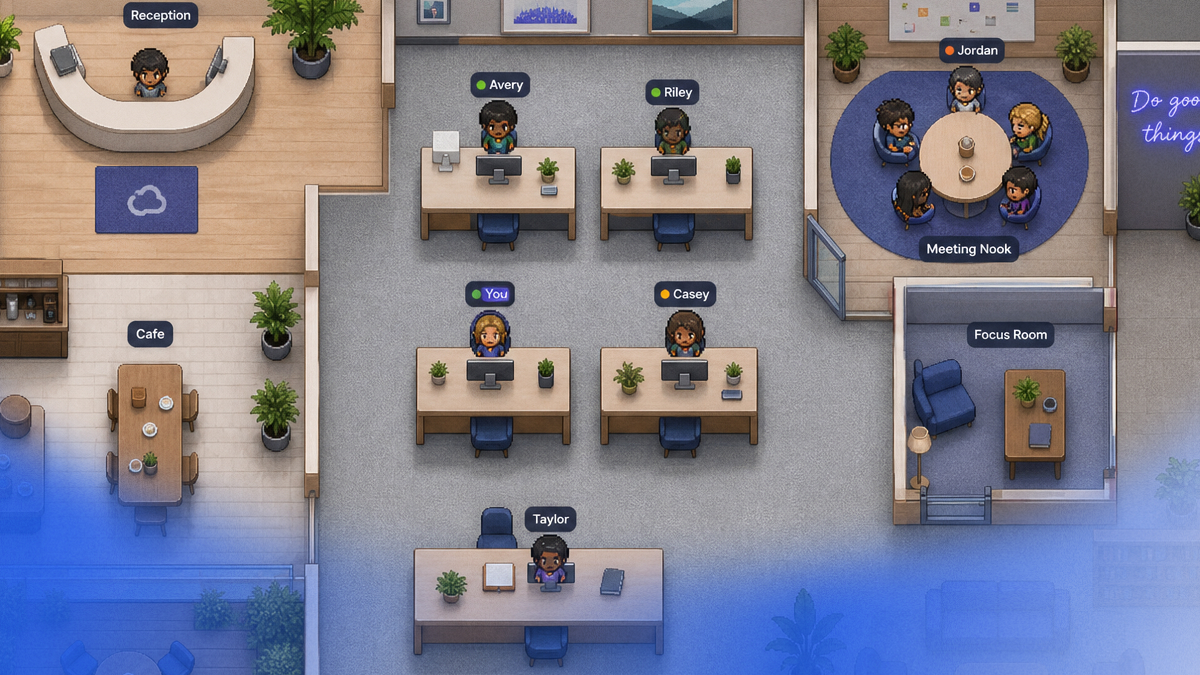
Modern internal communication strategies focus on reducing the friction between needing an answer and receiving one. In a distributed environment, knowing when a colleague is available is crucial. Without this visibility, employees often hesitate to reach out, fearing they might interrupt a focused session. Tools that provide real-time presence indicators solve this by making the digital workspace transparent, allowing internal communication to happen naturally and at the right moments.
Real-Time Presence and Its Role in Digital Workspaces
A virtual office environment relies on visual cues to manage internal communication effectively. When team members can see who is currently in a meeting, who is deeply focused, or who is available for a quick chat, the need for constant "Are you there?" messages disappears. This transparency is a core component of healthy internal communication, as it respects personal boundaries while encouraging collaboration.
The integration of real-time technology into daily workflows allows for:
- Instant visibility of team availability across different time zones.
- Reduction in the number of unnecessary, long-form scheduled meetings.
- A more cohesive culture where remote employees feel connected to their peers.
- Faster decision-making processes through immediate, informal internal communication.
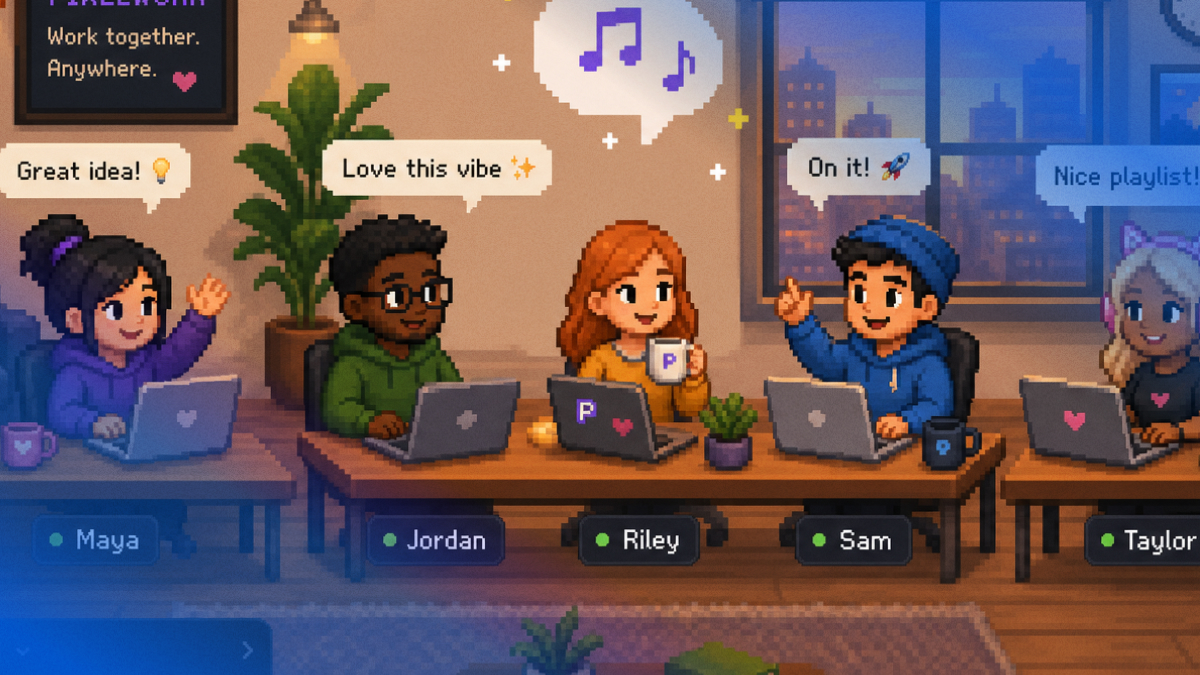
By utilizing platforms like Hurbly.ai, teams can simulate a physical presence that bridges the gap between remote locations. This approach ensures that internal communication remains fluid and less formal, which often leads to more creative problem-solving and stronger interpersonal relationships within the team.
Strategies for Optimizing Remote Team Coordination
To maintain high standards of internal communication, teams must adopt specific protocols that define how and when to interact. This involves setting clear expectations for different types of exchanges. For example, urgent matters might require a quick voice huddle, while non-urgent updates are better suited for asynchronous channels. Balancing these methods is essential for maintaining a sustainable rhythm of internal communication.
| Communication Type | Best Use Case | Impact on Workflow |
|---|---|---|
| Spontaneous Voice | Quick clarifications or brainstorming | High speed, low overhead |
| Status Indicators | Signaling availability or focus mode | Prevents interruptions |
| Asynchronous Text | Detailed updates or documentation | Allows for deep work |
| Scheduled Video | Project kick-offs or complex reviews | High alignment, high effort |
Effective internal communication also requires the right tools to support these strategies. When a platform allows you to see your coworkers' current status, you can initiate conversations with confidence. This reduces the cognitive load on employees, as they no longer have to guess the best time to engage in internal communication with their managers or subordinates.
Benefits of Spontaneous Interaction in Virtual Offices
Spontaneous interactions are often the first thing lost when a company moves to a remote model. However, these "watercooler moments" are vital for innovative internal communication. They allow for the cross-pollination of ideas that rarely happens in structured meetings. By creating a digital environment that facilitates these unplanned chats, companies can boost morale and improve the overall quality of their internal communication.
- Identify the need for a quick sync based on a colleague's "available" status.
- Start a brief conversation without the barrier of a calendar invite.
- Resolve the issue or share the idea in real-time.
- Return to focused work immediately after the interaction.
This four-step process simplifies the way teams interact, making internal communication a tool for efficiency rather than a source of distraction. When employees feel they can reach out easily, the sense of isolation often associated with remote work diminishes. Platforms such as Hurbly.ai empower teams to maintain this level of connectivity, ensuring that internal communication remains a strategic advantage for the organization in 2026.