Efficient Team Collaboration Using the Lean Coffee Methodology

In this article

Efficient Team Collaboration Using the Lean Coffee Methodology
The Lean Coffee format is a structured, yet agenda-less meeting framework designed to prioritize the most important topics for a group. Unlike traditional meetings that follow a rigid, pre-set plan, a Lean Coffee session allows participants to build the agenda in real-time. This ensures that the conversation remains relevant to everyone involved. By focusing on democratic topic selection and time-boxed discussions, teams can maximize productivity and ensure that every voice is heard.
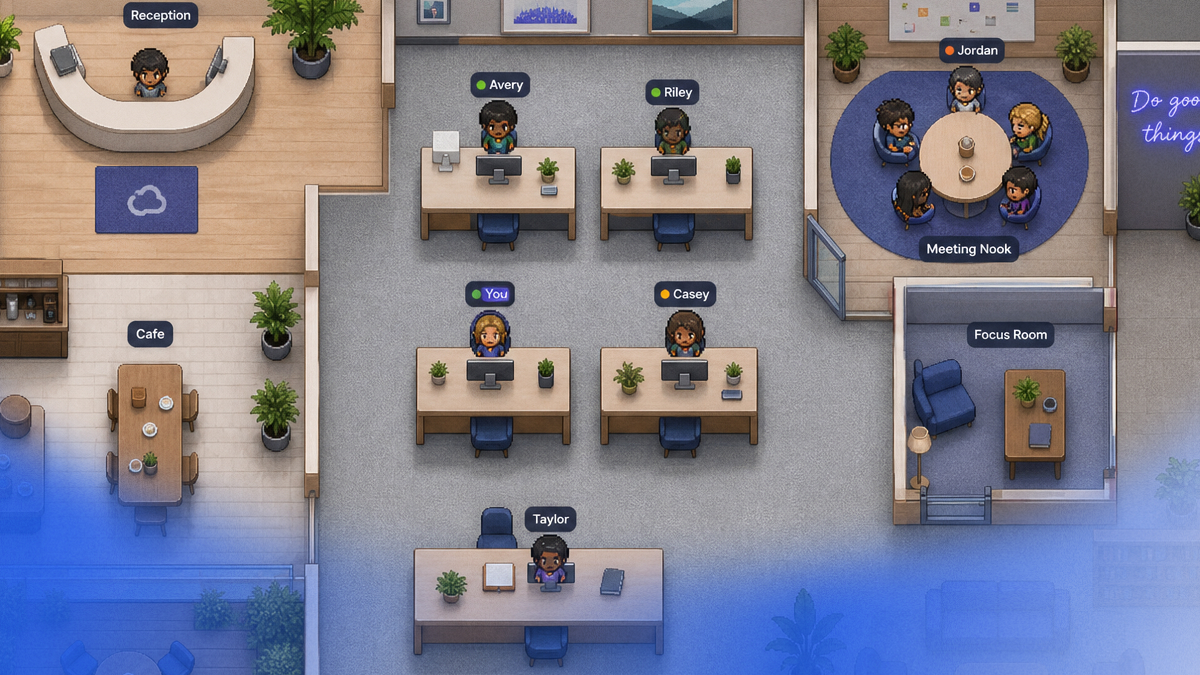
In a remote work environment, maintaining this level of engagement can be challenging. Tools like Hurbly.ai help bridge this gap by providing real-time visibility into team availability. When you can see who is available or focused, organizing a spontaneous Lean Coffee becomes much simpler, as you can gather the right people at the right moment without the friction of endless scheduling.
How to Organize a Successful Lean Coffee Session
Starting a Lean Coffee session requires minimal preparation, which is one of its primary strengths. The process typically follows a visual workflow, often using a Kanban-style board with columns for "To Do," "Doing," and "Done." This structure keeps the group focused and prevents the discussion from wandering into unrelated territories.
To run an effective Lean Coffee, follow these essential steps:
- Topic Generation: Participants write down themes or questions they want to discuss on individual cards.
- Pitching: Each person briefly explains their card to ensure the group understands the context.
- Voting: Every participant receives a set number of votes to cast on the topics they find most valuable.
- Prioritization: The cards are ranked based on the number of votes, forming the official Lean Coffee agenda.
- Discussion: The group discusses the top-ranked item for a specific time limit, usually five to eight minutes.
Using a platform like Hurbly.ai allows remote teams to transition from seeing a colleague's "available" status to initiating a quick Lean Coffee discussion instantly. This replicates the spontaneous collaboration found in physical offices, where a simple "coffee break" conversation can solve complex problems.
Managing Time and Flow in Lean Coffee
Time-boxing is a critical component of the Lean Coffee methodology. It prevents a single topic from dominating the entire meeting and ensures that the group covers multiple points of interest. After the initial timer expires for a topic, the moderator asks for a "thumbs up" or "thumbs down" vote to decide whether to continue the current discussion or move to the next item on the Lean Coffee list.
| Feature | Traditional Meeting | Lean Coffee |
|---|---|---|
| Agenda | Fixed and pre-determined | Fluid and democratic |
| Participation | Often dominated by a few | Highly inclusive |
| Flexibility | Low | High |
| Time Management | Often runs over | Strictly time-boxed |
This structured approach makes Lean Coffee particularly useful for retrospective meetings, brainstorming sessions, or weekly syncs. By keeping the pace fast and the content relevant, teams avoid "meeting fatigue." Furthermore, integrating these sessions into a digital workspace like Hurbly.ai ensures that the momentum of the Lean Coffee is captured while everyone is already present and engaged in the virtual office.
Why Lean Coffee Improves Remote Team Dynamics
The primary benefit of Lean Coffee is the empowerment of team members. Because the agenda is created by the participants, there is a higher level of buy-in and engagement. In 2026, as distributed teams become the standard, the ability to facilitate a Lean Coffee session helps maintain a culture of transparency and continuous improvement. It removes the hierarchy of traditional meetings, allowing junior members and stakeholders to contribute equally.
Implementing Lean Coffee also reduces the need for long, unproductive status updates. Instead of listening to information that might not be relevant to them, team members use the Lean Coffee format to dive straight into problem-solving. When combined with the real-time presence indicators of Hurbly.ai, the Lean Coffee framework becomes a powerful tool for agile organizations. You can identify when the team is in a "collaborative" state and launch a session that addresses the most pressing needs of the moment.
Best Practices for Facilitating Lean Coffee in 2026
To get the most out of a Lean Coffee session, facilitators should focus on neutrality and flow. The facilitator's role is not to lead the conversation but to manage the process, ensuring the timer is respected and the voting is fair. It is also helpful to document the "Done" column of the Lean Coffee board to track decisions made and actions required for the future.
Regularly scheduled Lean Coffee meetings can serve as a heartbeat for a project, providing a reliable space for open communication. By using Hurbly.ai, teams can see when their colleagues are in a meeting or focused, allowing them to time their Lean Coffee invites perfectly. This synergy between a structured discussion framework and a real-time presence platform creates a seamless experience for modern, digital-first professionals. Whether you are a freelancer or part of a large corporation, mastering the Lean Coffee technique will significantly enhance your collaborative output.