Maximizing Team Efficiency Through Asynchronous Communication

In this article

Maximizing Team Efficiency Through Asynchronous Communication
Asynchronous communication is a method of exchanging information where participants do not need to be present or active at the same time. In 2026, this approach has become a fundamental pillar for distributed teams, allowing individuals to process information and respond according to their own schedules. Unlike real-time interactions, this model relies on documentation, recorded messages, and shared workspaces to maintain project momentum without requiring constant synchronization.
The primary benefit of adopting asynchronous communication is the preservation of deep work. When employees are not interrupted by immediate pings or unscheduled calls, they can dedicate longer blocks of time to complex tasks. This shift reduces the cognitive load associated with frequent context switching, leading to higher quality output and more thoughtful responses. Furthermore, it accommodates different time zones, ensuring that global teams can collaborate effectively without forcing anyone to work outside their standard hours.
How Asynchronous Communication Transforms Workflow Dynamics
Implementing asynchronous communication requires a shift in how teams manage expectations and deliver feedback. Instead of expecting an instant reply, team members provide comprehensive context in their initial messages to minimize back-and-forth clarification. This practice creates a natural paper trail of decisions and progress, which serves as a valuable resource for onboarding new members or auditing project history.
To make this workflow successful, teams often utilize specific protocols:
- Detailed project briefs that outline goals, deadlines, and responsibilities.
- Threaded discussions that keep specific topics organized and searchable.
- Video snippets or screen recordings to explain visual concepts without a live meeting.
- Status updates shared via centralized platforms to keep everyone informed of milestones.
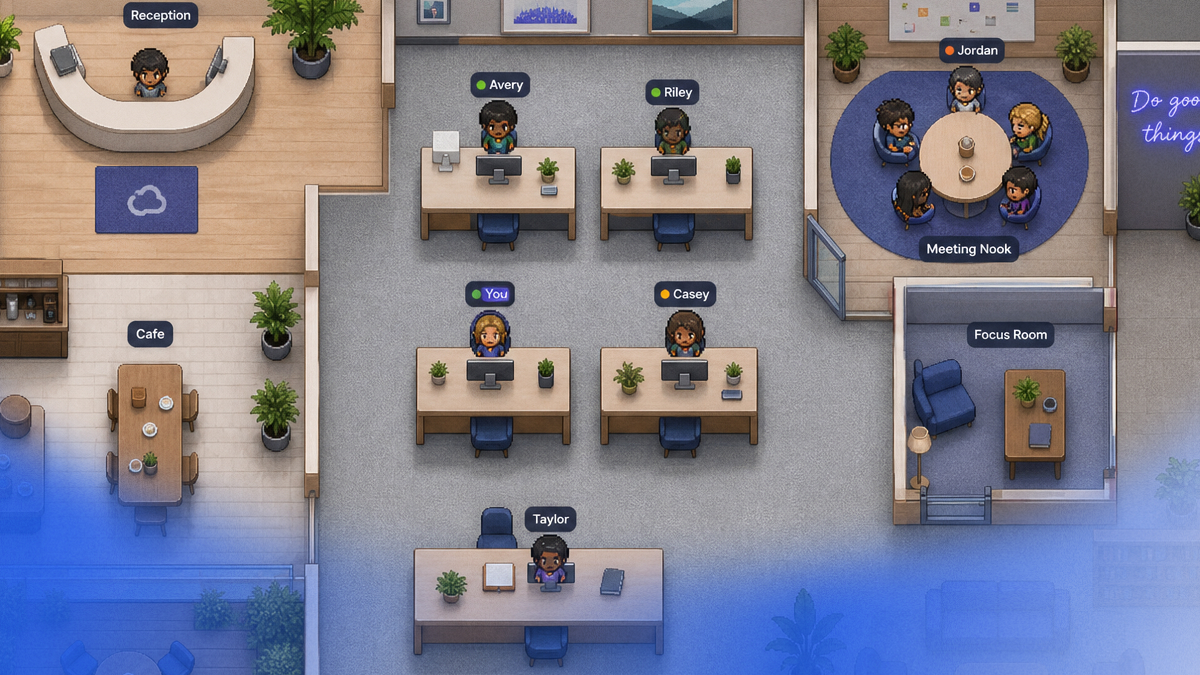
While asynchronous communication handles the bulk of information sharing, tools like Hurbly.ai complement this by providing real-time visibility. By showing who is focused or available, teams can decide exactly when it is appropriate to transition from a delayed response to a quick, spontaneous interaction, balancing deep work with necessary social presence.
Comparing Real-Time and Asynchronous Communication Models
Understanding when to use different interaction styles is crucial for organizational health. While asynchronous communication is ideal for status updates and non-urgent decision-making, synchronous methods are better suited for brainstorming or resolving sensitive conflicts. The following table illustrates the core differences between these two approaches:
| Feature | Synchronous Communication | Asynchronous Communication |
|---|---|---|
| Response Time | Immediate | Delayed/Planned |
| Primary Tool | Live Video/Calls | Documentation/Threads |
| Focus Level | High Interruption | High Concentration |
| Documentation | Requires Manual Notes | Naturally Self-Documenting |
| Ideal For | Urgent Crisis/Social Bonding | Deep Work/Project Execution |
Effective teams do not choose one over the other; they integrate both. They use asynchronous communication to handle 80% of their daily coordination, leaving the remaining 20% for high-bandwidth live interactions. This balance prevents meeting fatigue and ensures that when a live meeting does occur, it is purposeful and well-informed by prior data.
Best Practices for Scaling Asynchronous Communication in 2026
To scale asynchronous communication effectively, organizations must prioritize clarity and transparency. This involves setting clear "SLA" (Service Level Agreement) response times so that employees know they aren't expected to be online 24/7. When everyone understands that a response might take four to six hours, the anxiety associated with "staying green" on a chat app disappears, allowing for true focus.
- Write for Clarity: Since the recipient cannot ask for immediate clarification, every message should include the "why," the "what," and the "when."
- Centralize Information: Avoid silos by ensuring that asynchronous communication happens in public or shared channels rather than private messages.
- Use Presence Indicators: Platforms like Hurbly.ai help signal when a user is in a "deep work" mode, reinforcing the boundaries needed for asynchronous communication to thrive.
- Audit Meetings Regularly: If a meeting consists only of information being read aloud, it should be converted into an asynchronous update.
By mastering asynchronous communication, teams reduce the friction of coordination. This methodology empowers individuals to take ownership of their time while ensuring the collective goals of the organization are met with precision. As the digital landscape evolves, the ability to communicate effectively without the constraints of time remains a competitive advantage for any modern workforce.