Efficient Strategies for Using a Meeting Agenda Template in 2026
In this article

Efficient Strategies for Using a Meeting Agenda Template in 2026
A meeting agenda template serves as a foundational roadmap for professional discussions, ensuring that every participant understands the purpose and flow of a gathering. In 2026, where remote and hybrid work models are the standard, having a structured document is essential to prevent time wastage. By defining the topics, time allocations, and desired outcomes beforehand, teams can move away from unproductive sessions and toward actionable results.
Implementing a meeting agenda template allows facilitators to manage expectations. When participants receive the outline in advance, they can prepare relevant data or questions, which significantly reduces the need for follow-up sessions. This structured approach ensures that critical points are not overlooked during the heat of discussion, maintaining a high level of professional rigor regardless of the team's size or location.
How to Structure Your Meeting Agenda Template for Maximum Impact
To create an effective meeting agenda template, you must begin with clear objectives. A well-organized document should be divided into logical segments that guide the conversation from introduction to conclusion. This hierarchy helps in maintaining focus and ensuring that high-priority items receive the most attention.
A comprehensive meeting agenda template typically includes the following elements:
- Objective Statement: A brief sentence explaining why the meeting is happening.
- Participant List: Identification of who needs to be present and their specific roles.
- Time Slots: Specific durations assigned to each topic to prevent overrunning.
- Discussion Points: The core subjects that require team input or decision-making.
- Action Items: A dedicated space to record who is responsible for what after the meeting ends.
Using a meeting agenda template helps in categorizing information. For instance, you can separate "Information Sharing" from "Decision Making." This distinction is vital because it informs the team whether they are there to listen or to actively vote on a direction. Hurbly.ai complements this structure by showing who is available for these discussions in real-time, reducing the friction of finding a common slot.
Benefits of Standardizing Your Meeting Agenda Template
Standardization is the key to organizational efficiency. When every department uses the same meeting agenda template, it creates a predictable environment for employees. They no longer have to spend time deciphering different formats; instead, they can immediately focus on the content. This consistency is particularly beneficial for cross-functional teams that collaborate on complex projects.
The primary advantages of a standardized meeting agenda template include:
- Improved Accountability: Clearly defined tasks and owners leave no room for ambiguity.
- Historical Documentation: These templates serve as a record of decisions made over time.
- Reduced Meeting Fatigue: By sticking to a timed meeting agenda template, sessions become shorter and more meaningful.
- Enhanced Participation: Introverted team members feel more comfortable when they know exactly what will be discussed.
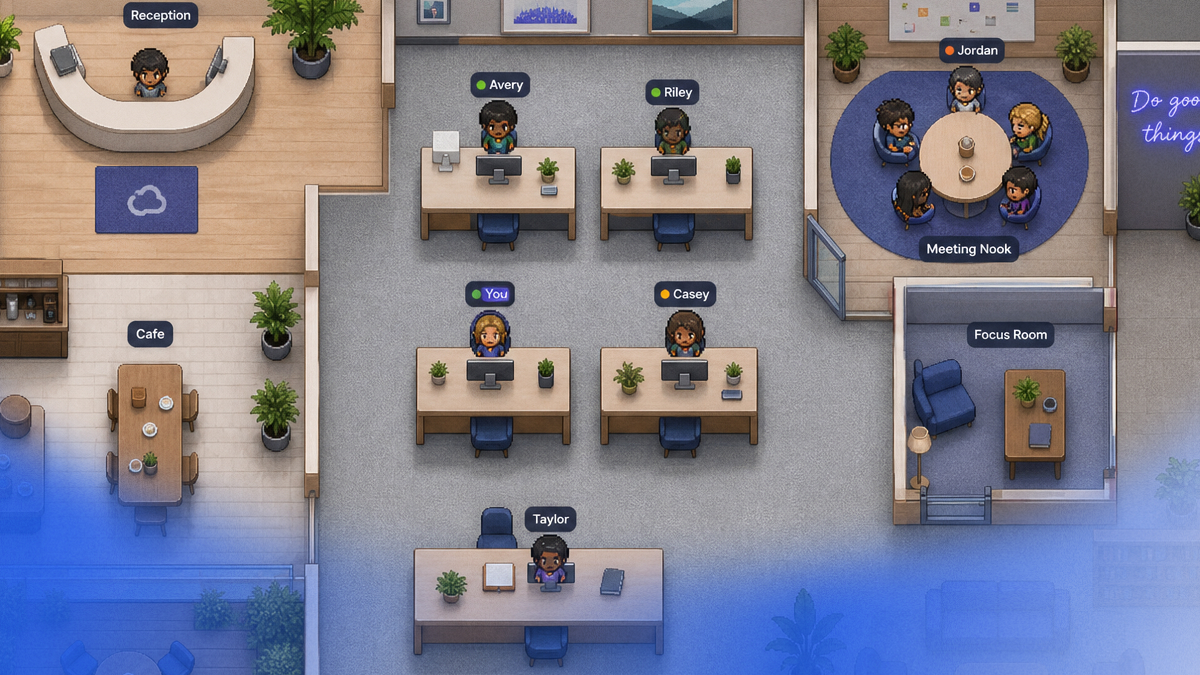
In the fast-paced digital landscape of 2026, tools like Hurbly.ai enhance these benefits by providing a virtual office environment. While the meeting agenda template organizes the "what" and "how" of a meeting, a presence platform manages the "when" by showing who is currently focused or available for a spontaneous sync-up.
Adapting the Meeting Agenda Template for Different Team Needs
Not every meeting requires the same level of detail. A meeting agenda template for a daily stand-up will look very different from one designed for a quarterly strategic review. Flexibility is essential. For quick syncs, the template should be minimalist, focusing only on roadblocks and immediate tasks. For larger sessions, the meeting agenda template must be robust enough to handle complex data presentations and long-form debates.
| Meeting Type | Focus Area | Recommended Template Depth |
|---|---|---|
| Daily Stand-up | Immediate tasks and blockers | Low (Bullet points only) |
| Weekly Sync | Progress tracking and coordination | Medium (Sectioned by project) |
| Strategic Review | Long-term goals and KPIs | High (Detailed data and voting) |
| Brainstorming | Idea generation and creativity | Flexible (Open-ended prompts) |
Integrating a meeting agenda template into your workflow ensures that even spontaneous interactions remain productive. When using a platform like Hurbly.ai to start an instant conversation, having a mental or digital meeting agenda template ready prevents the chat from wandering off-topic. This combination of real-time presence and structured documentation defines the modern high-performance workspace.
Best Practices for Distributing the Meeting Agenda Template
For a meeting agenda template to be effective, it must be shared well before the meeting starts. Sending the document at least 24 hours in advance is a standard best practice. This gives attendees time to review the material and suggest additions or changes. A collaborative meeting agenda template—one where multiple people can add notes—often results in higher engagement and better outcomes.
Finally, always conclude the use of your meeting agenda template by reviewing the "Action Items" section. This ensures that the time spent in the meeting translates into real-world progress. By consistently applying a meeting agenda template, organizations foster a culture of respect for everyone's time, leading to a more satisfied and effective workforce in the evolving digital era.