Effective Meeting Facilitation in Modern Remote Workspaces

In this article

Effective Meeting Facilitation in Modern Remote Workspaces
Effective meeting facilitation is the cornerstone of productive collaboration in 2026. As teams become more distributed, the ability to guide discussions toward actionable outcomes has become a vital skill. Meeting facilitation involves more than just keeping time; it requires a deep understanding of group dynamics and the technical tools that support real-time interaction. By focusing on clear objectives and inclusive participation, facilitators ensure that every voice is heard and that decisions are documented accurately.
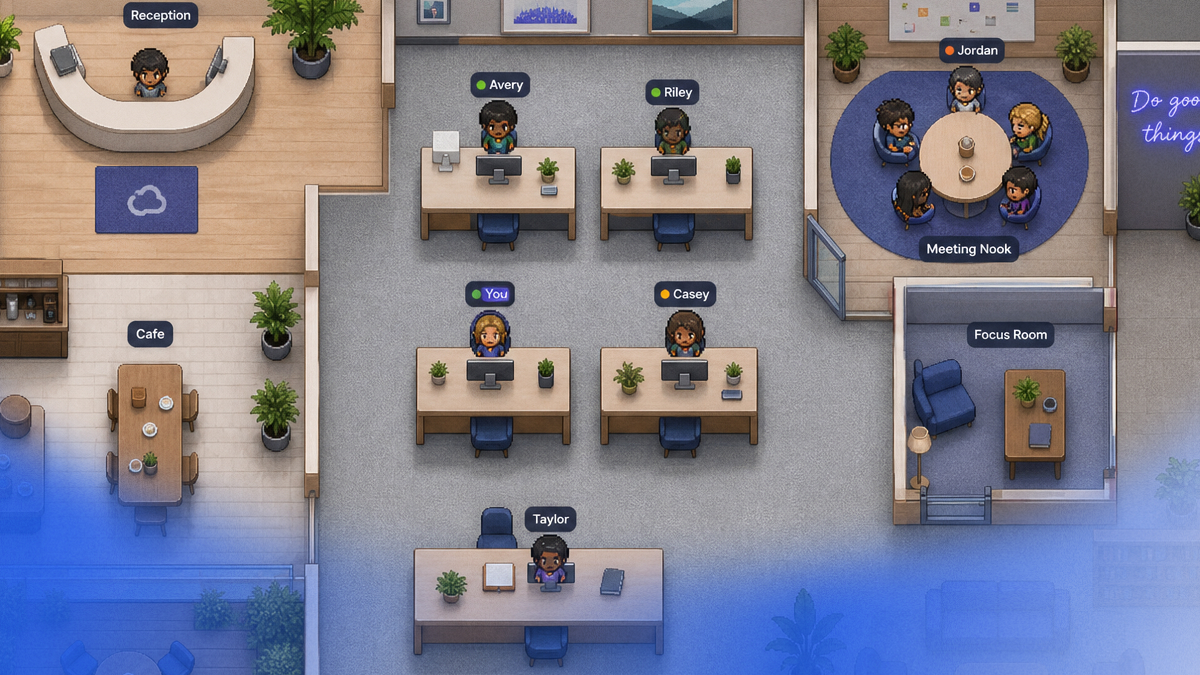
Modern meeting facilitation relies on creating an environment where spontaneous communication can thrive. While scheduled sessions are necessary for deep dives, many teams are finding that informal syncs reduce the need for long, exhausting video calls. Platforms like Hurbly.ai support this shift by providing real-time visibility into team presence. When you can see who is available or focused, meeting facilitation becomes a more fluid process, allowing for quick huddles that resolve issues faster than a thirty-minute calendar invite.
Core Principles of Successful Meeting Facilitation
To master meeting facilitation, one must prioritize preparation and structure. A well-facilitated meeting starts long before the participants join the call. Defining a clear purpose and sharing an agenda allows attendees to prepare their thoughts, which significantly improves the quality of the discussion. During the session, meeting facilitation involves managing the flow of conversation, preventing a single individual from dominating the talk time, and keeping the group focused on the specific goals at hand.
Another critical aspect of meeting facilitation is the use of visual aids and collaborative documents. When participants can see the notes being taken in real-time, it minimizes misunderstandings and ensures alignment. High-quality meeting facilitation also includes the "parking lot" technique, where off-topic ideas are noted for later discussion, ensuring the current meeting stays on track. This structured approach helps teams maintain high energy levels and prevents the fatigue often associated with poorly managed digital interactions.
Technical Tools for Better Meeting Facilitation
The choice of technology directly impacts the success of meeting facilitation. In 2026, the most effective teams use tools that provide context before a conversation even begins. For instance, Hurbly.ai enables a form of passive meeting facilitation by showing the current status of every team member. If a facilitator sees that a key stakeholder is currently in "Deep Work" mode, they can delay the start of a quick sync, ensuring that the subsequent meeting facilitation is more effective because the right people are present and ready to engage.
| Feature | Impact on Meeting Facilitation |
|---|---|
| Real-time Presence | Allows facilitators to time huddles for maximum participation. |
| Status Indicators | Helps avoid interrupting colleagues during focused tasks. |
| Instant Audio Rooms | Simplifies the transition from a chat to a facilitated discussion. |
| Visual Cues | Reduces the cognitive load on the person leading the meeting facilitation. |
Steps to Improve Your Meeting Facilitation Process
Improving your meeting facilitation skills is an iterative process that requires feedback and adjustment. By following a consistent framework, you can turn chaotic sessions into streamlined workflows. Here are the essential steps for professional meeting facilitation:
- Define the Desired Outcome: Before sending an invite, identify if the goal is to decide, brainstorm, or inform.
- Select the Right Participants: Only include individuals who are essential to the outcome to keep the meeting facilitation manageable.
- Set Ground Rules: Establish expectations regarding camera usage, muting, and how to signal a desire to speak.
- Monitor Engagement: Use meeting facilitation techniques to check in with quiet participants and encourage diverse perspectives.
- Summarize and Assign: End every session by reviewing the decisions made and assigning clear owners to action items.
Why Real-Time Visibility Enhances Meeting Facilitation
Meeting facilitation is often hindered by the friction of scheduling. When a team uses a virtual office platform like Hurbly.ai, the "barrier to entry" for a meeting is lowered. This accessibility transforms meeting facilitation from a rigid, formal event into a natural part of the workday. Facilitators can see at a glance who is available for a quick clarification, making the meeting facilitation process much more agile and less dependent on back-and-forth emails.
Furthermore, seeing coworkers' current status helps in psychological safety, a key component of meeting facilitation. Knowing that a colleague is "Available" makes a facilitator feel more comfortable initiating a conversation. This transparency supports a culture of open communication where meeting facilitation happens organically. By integrating these real-time presence indicators, organizations can ensure that their meeting facilitation efforts are always timely, relevant, and respectful of everyone's schedule.